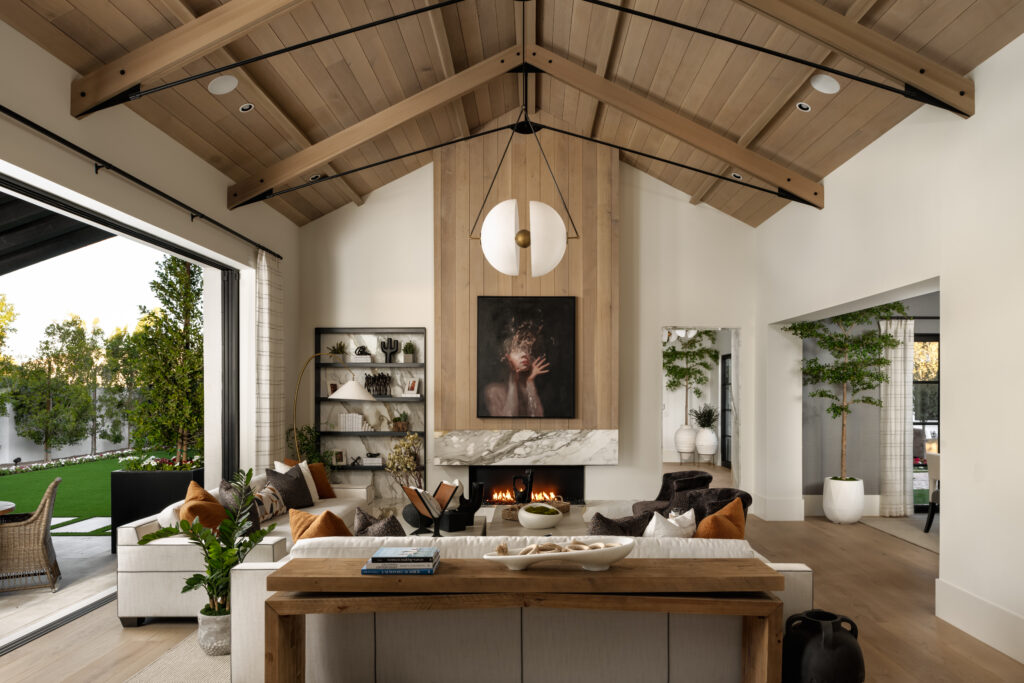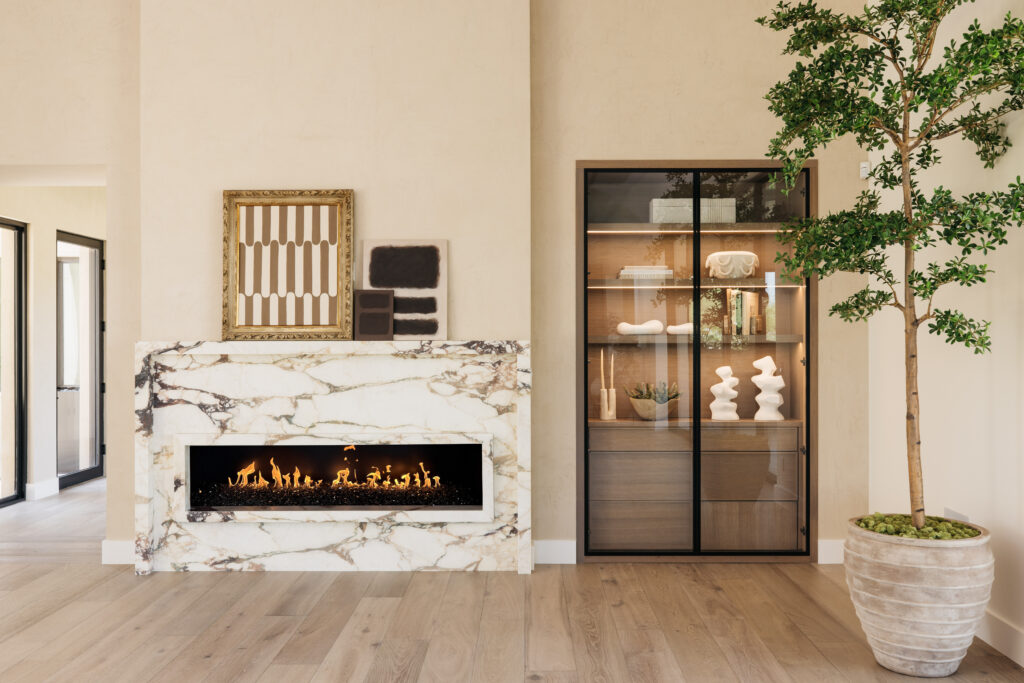



Features

Featured stories from Builder & Developer Magazine


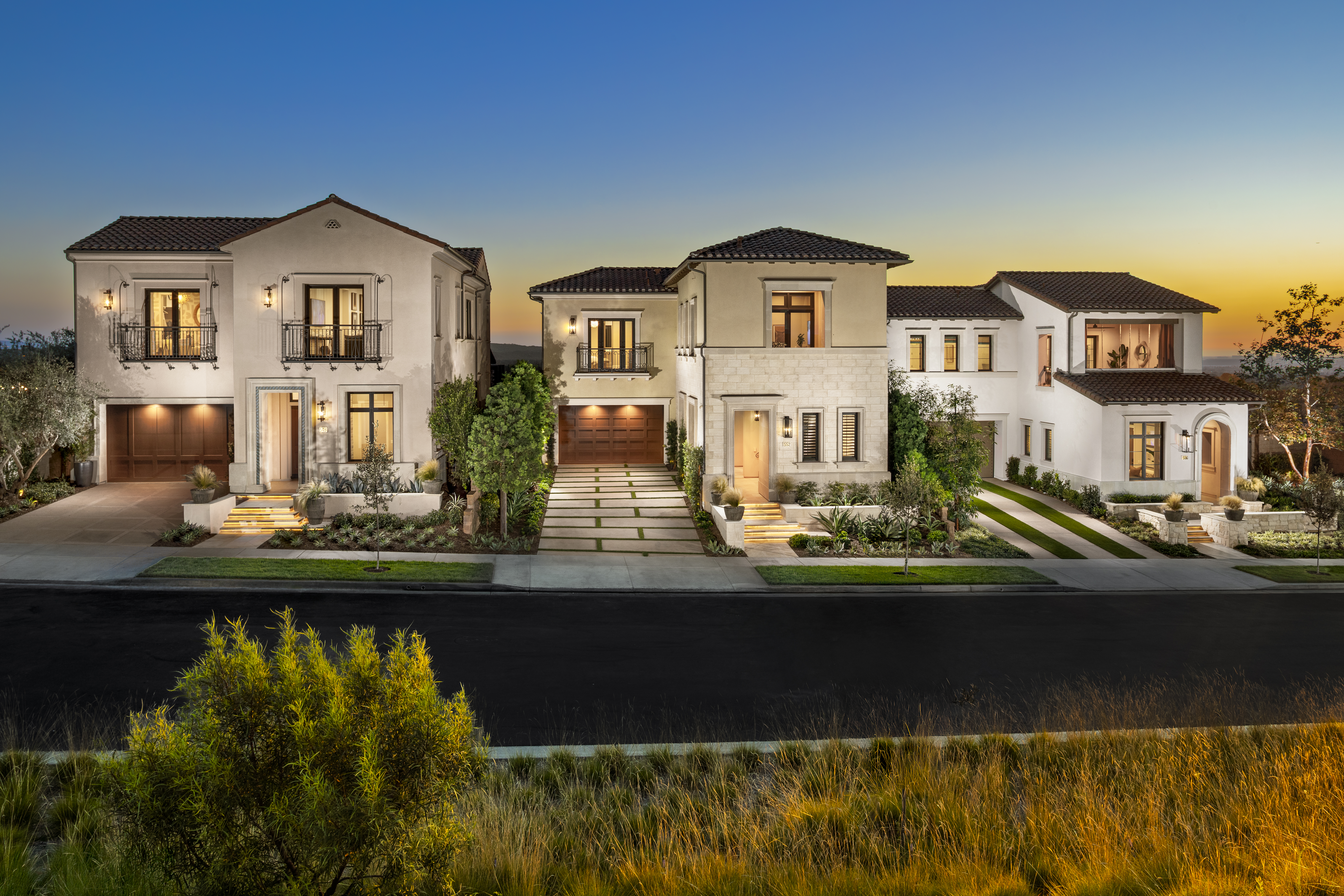
  • Toll Brothers’ Strategy and Style

    Toll Brothers’ Strategy and Style

    Inside the builder’s executive evolution and dignified design

    Since we last featured Toll Brothers as our 2025 Builder of the Year, the company continues to elevate itself in the homebuilding industry. Past the midway point of 2026, much of Toll Brothers’ C-Suite is led by different executives than it was this time last year. 

    Ushering in the Next Generation of Leaders 

    In January 2026, the builder announced that Chairman and CEO since 2010, Doug Yearley, will transition to Executive Chairman of the Board, with Karl Mistry to succeed. Mistry, a 22-year company veteran, joined Toll Brothers as an Assistant Project Manager in its executive training program and rose to Executive Vice President. 

    “I am honored to become the third CEO of Toll Brothers, and I look forward to building on the tremendous foundation and strong legacy that Doug and Bob Toll, before him, have established during the Company’s nearly 60 years in business,” said Mistry.

    Shortly after, in May, the company announced that Seth J. Ring would succeed Robert Parahus as President and Chief Operating Officer. In this position, Ring also joined the Board of Directors. Ring began his career similarly to Mistry, as Assistant Project Manager with Toll Brothers. 

    Toll Brothers built an estimated 11,292 homes in 2025 at an average price of $960,000, while generating a record $10.8 billion in home sales revenue. These leadership changes are not due to issues at the top; the numbers support that even in the current difficult-to-navigate market, their strategy works. Rather, an approach to executive leadership rooted in mentorship, stability and success. 

    Indisputable Reputation 

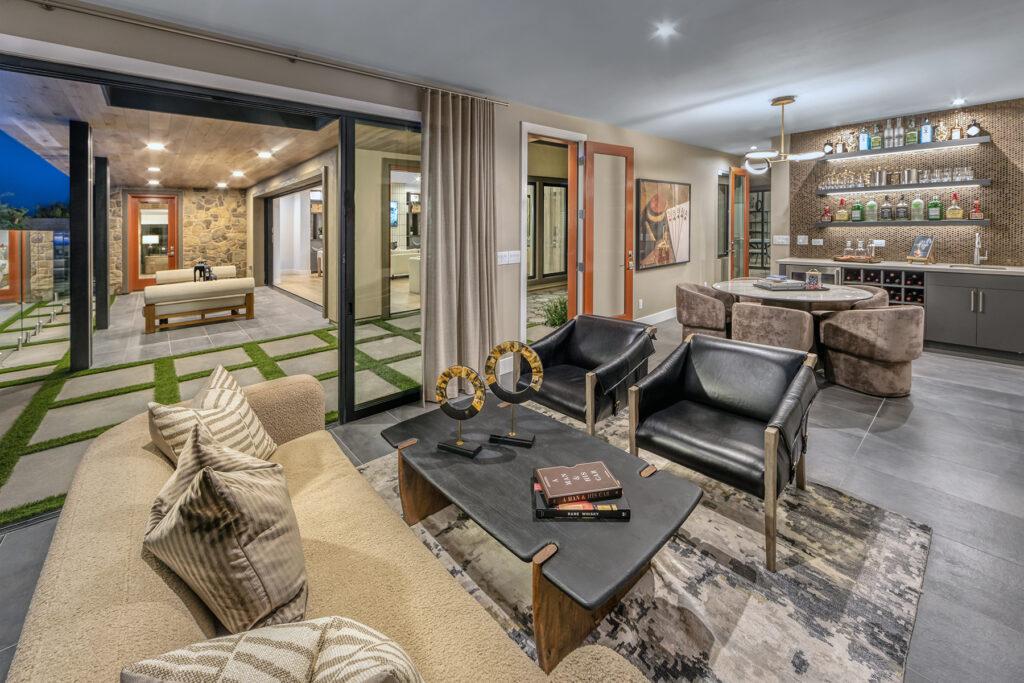
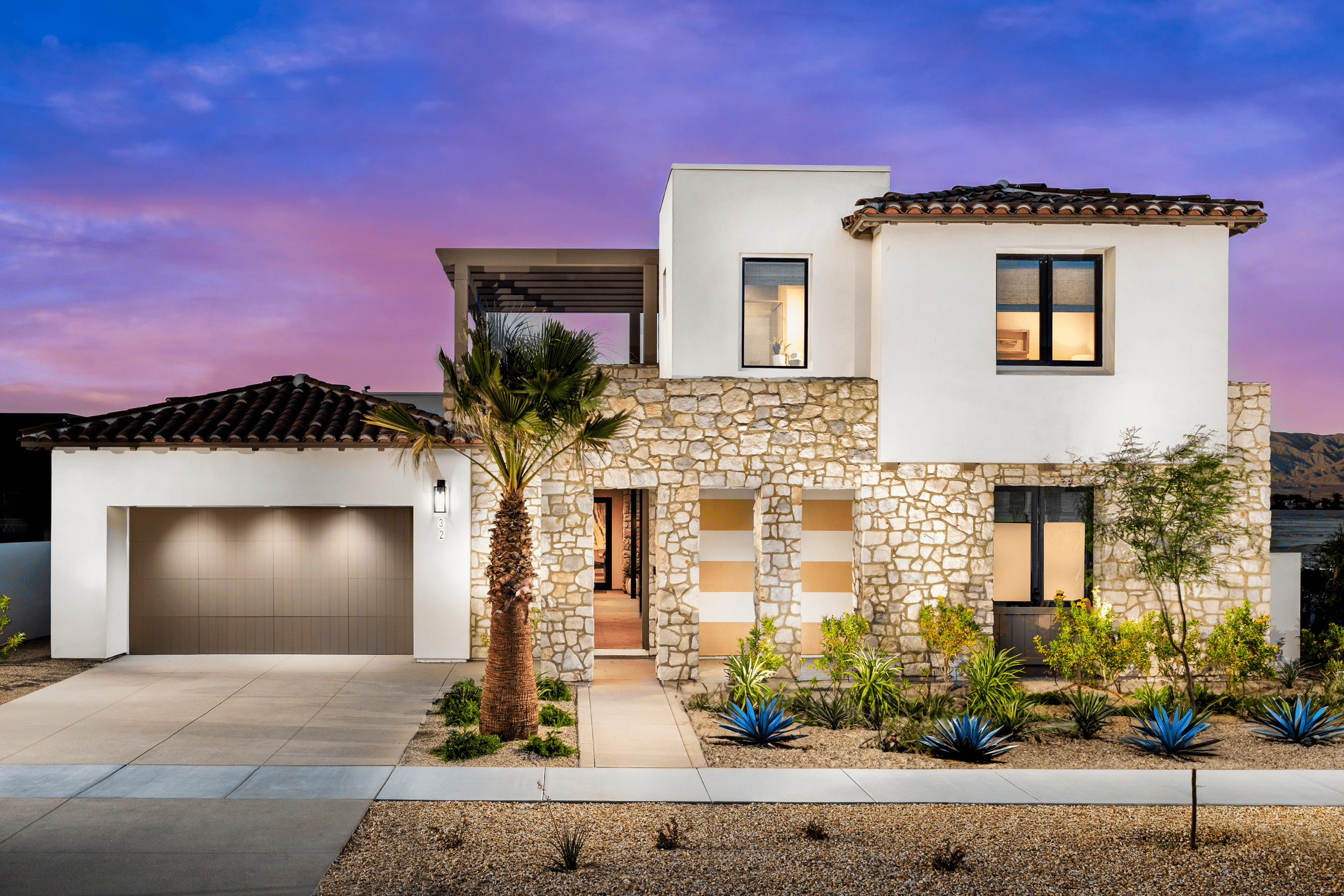
    Nominated for 17 Gold Nugget Awards, the builder’s style precedes only itself. One project in particular: Incanta Lago- Vento is nominated for two Grand Awards: Best Single Family Detached Home — 3,500 to 4,000 square feet and Best Interior Merchandising of a Home Priced $900,000 to $1.5 million. 

    Located in Henderson, Nev., the 3,923-square-foot floorplan delivers with four bedrooms, four-and-a-half bathrooms and a two-car garage. The builder offers three unique exteriors for a distinct yet cohesive curb appeal in the neighborhood. 

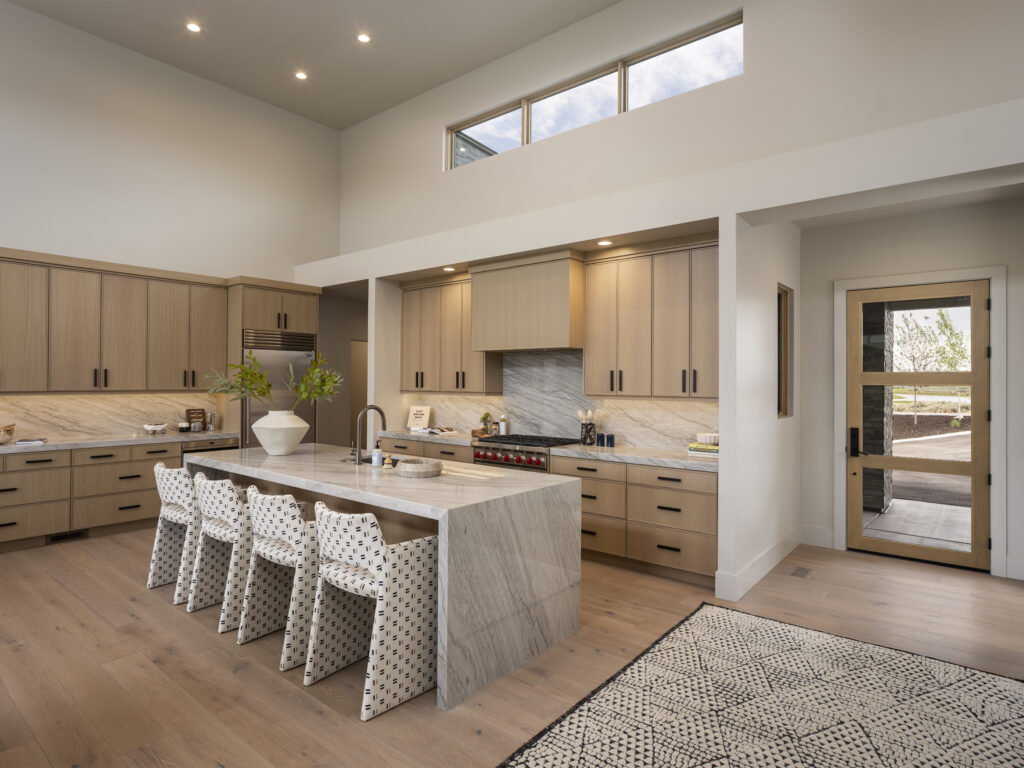
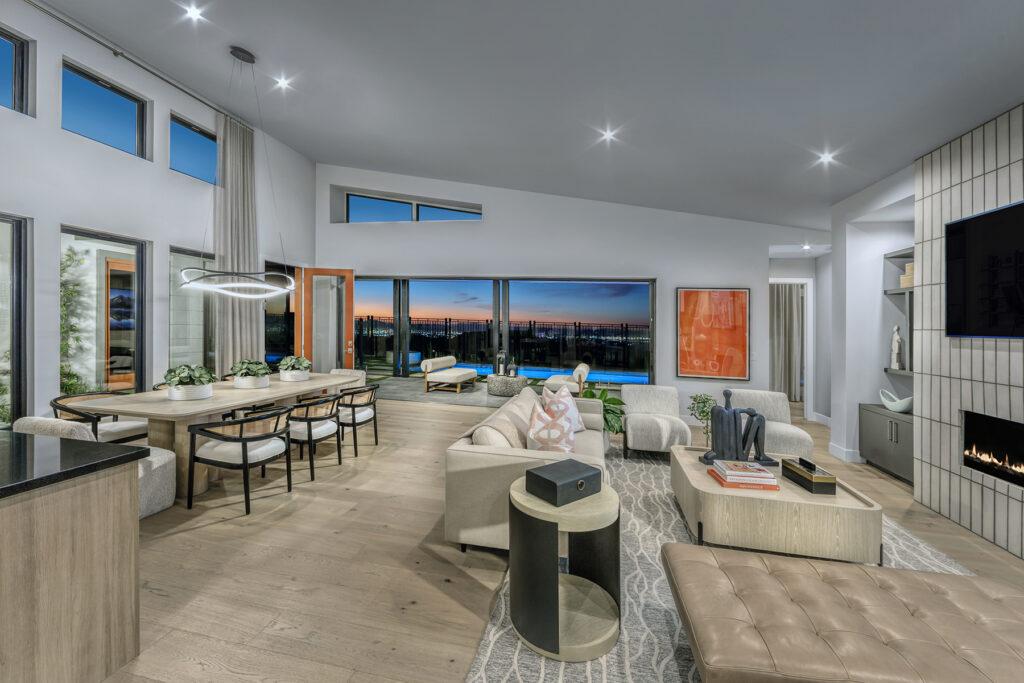
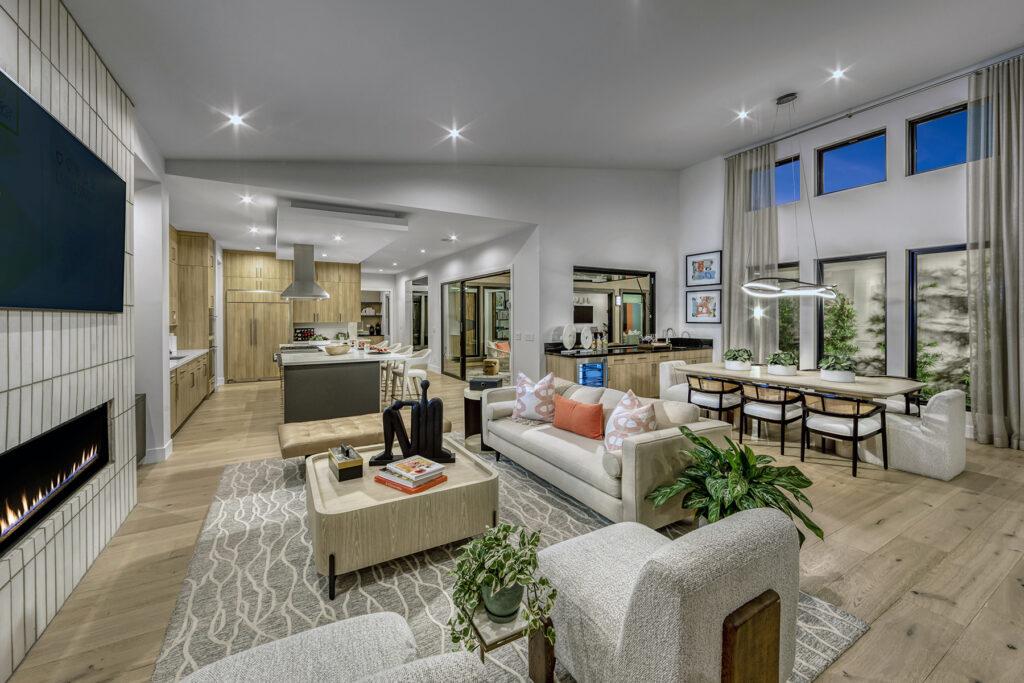
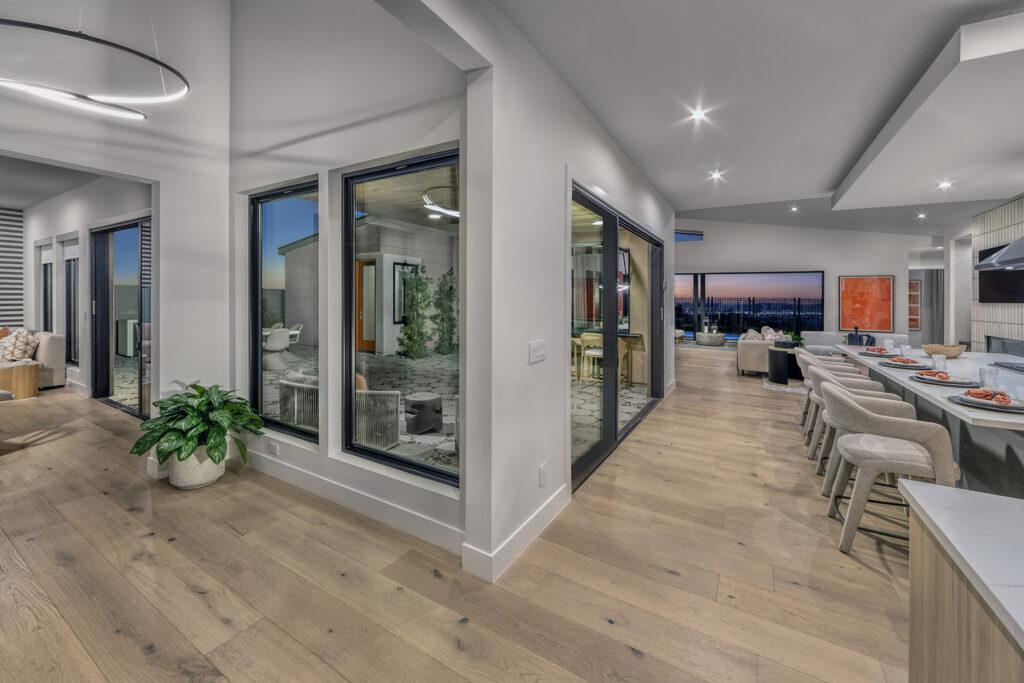
    Looking inside the home, the clean lines are complemented by texture additions. In the kitchen, rift-cut oak cabinetry accents the polished black granite countertops on the expansive island. The kitchen opens to the two-story great room, with neutral and organic wood ceiling beams balanced by the smooth, light porcelain tile flooring.

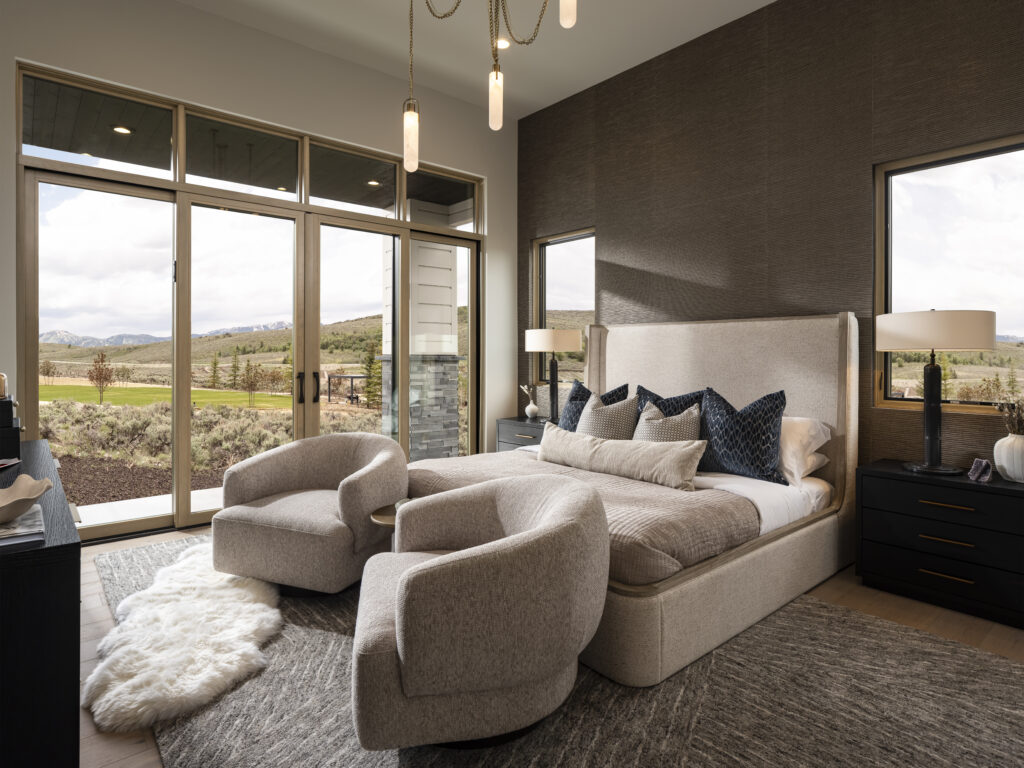
    “The interior design of the Vento floorplan delivers a masterful study in ‘desert organic modernism,’ where sophisticated luxury meets approachable comfort,” said Maricela Maciel, Toll Brothers NV-Las Vegas division Marketing Director. “The color palette is intentionally grounded in earthy, neutral tones, creams, soft taupes and warm grays, punctuated by striking accents of deep indigo, matte black and rich charcoal that add contemporary contrast throughout the main living areas.” 

    The interior merchandising is inviting yet chic, balancing structured, sleek elements with the soft and organic. This is expertly designed in the lighting choice with oversized woven-rattan pendant lights, alongside a contemporary suspended circular fixture. 

    As we head towards the end of 2026, the momentum from Toll Brothers shows no signs of slowing down. The builder’s forward-thinking is present both at the helm of leadership and in the homes they build: structured for long-term stability, yet designed to stand out.

    By Sofia Feeney. She is the Editor at Builder and Developer and can be reached at sofia@builder.media

    This story is also featured in B&D August, read the print version

  • B&D Interview: Selma Hepp, Chief Economist, Cotality

    B&D Interview: Selma Hepp, Chief Economist, Cotality

    In the August issue of Builder and Developer, Hepp breaks down the new realities of homebuilding

    Builder and Developer: How have you seen builder sentiment and buyer behavior evolve so far this year?

    Selma Hepp: Builder sentiment remains cautious, but buyer behavior has been more resilient than headline confidence measures suggest. The NAHB/Wells Fargo HMI fell to 34 in July and has remained below 40 for 15 consecutive months, reflecting the continued pressure from elevated mortgage rates, land costs, material prices and labor shortages. At the same time, others have reported that net new orders were up 16% year over year as of May, marking the fifth consecutive increase, which suggests demand is still present when builders can solve for affordability.

    The biggest change is that buyers are more payment-sensitive and less willing to stretch.

    Builders have responded with rate buydowns, closing-cost assistance, smaller floor plans and spec inventory. Spec homes now account for an all-time high share of new-home sales and that most (close to 90%) new-home mortgages include rate buydowns.

    B&D: What implications will this have heading into the rest of 2026?

    SH: The rest of the year is likely to remain a volume-management environment, suggested by the recent slowdown in new-home sales and permits at the lowest level since August 2025, underscoring builders’ caution around future production. Most of the forecast for sales suggests a slow-growth outlook: new-home sales are expected to increase only about 1% in 2026 and 4% in 2027, while new-home prices are expected to remain under pressure in 2026 before improving modestly in 2027. 

    The implication is that builders will continue to prioritize absorption over pricing power, especially where inventories are elevated or where affordability is most stretched.

     B&D: You recently described the 21st Century ROAD to Housing Bill as the “most significant housing bill in decades.” Which specific provision do you think will make the biggest difference for builders in the near future?

    SH:  For builders, the most important near-term provisions are the ones that reduce time, uncertainty and carrying costs in the development process. The final ROAD Act includes provisions related to pre-approved home designs, streamlining federal and local housing processes, exempting certain small-scale housing developments from federal environmental reviews and giving jurisdictions more flexibility with housing funds. In addition. expediting local permits, reducing environmental regulation, minimizing impact fees and HUD-code reform for manufactured homes are also key initiatives for housing production.

    If I had to choose one provision with the biggest builder impact, it would be permitting and regulatory streamlining.

    Time is a major cost in development. Every additional month in entitlement, environmental review, or permitting adds financing expense and increases the risk that market conditions change before a project delivers. Nevertheless, while the ROAD Act is a positive step, implementation will take time and more policy change is still needed at the state and local level. Also, for legislation success, there is an enormous need for administrative capacity at exactly the moment when at agencies, such as HUD, staffing resources have been reduced, which raises the risk that the housing benefits arrive more slowly than advocates expect.

    B&D: How would you assess the current performance in regional markets in terms of homebuilding activity and what key factors are driving their strength?

    SH: The regional story is highly bifurcated. The South continues to account for the largest share of homebuilding activity, supported by years of population growth, business migration and relatively abundant developable land. However, it is also the region where builders are managing higher inventory levels and relying more heavily on incentives.

    The Midwest and parts of the Northeast appear more stable, as affordability remains stronger and supply growth has been more limited. By contrast, the West remains the most constrained and expensive region, with land, regulatory, insurance and labor costs continuing to restrict the delivery of attainable housing.

    The strongest markets generally share a combination of employment growth, population inflows, relative affordability and manageable inventory levels.

    Zelman’s analysis shows a clear relationship between resale inventory and home-price appreciation, with markets experiencing larger inventory increases facing greater pricing pressure. This helps explain why some Midwest and Northeast markets have performed better: they typically have less new supply, tighter resale inventory and better affordability than high-cost Western markets or overbuilt areas of the Sun Belt.

     B&D: While the hyper-inflation of building materials has cooled down compared to recent years, structural costs remain high. Where do you see builders finding relief and success over the next 12 to 18 months?

    SH:  Builders are seeing some relief on the input side, but not enough to materially reset affordability. Overall labor and material cost pressure has moderated from pandemic highs and finished-lot inflation is roughly flat year over year. At the same time, elevated material prices, high land costs and skilled labor shortages continue to serve as major constraints, building material prices continue to be impacted by ongoing volatility from trade policy, softwood lumber, steel, aluminum and imported equipment.

    The real opportunity over the next 12 to 18 months is likely to come from execution, not a dramatic decline in material costs.

    Builders will find relief through cycle-time reductions, standardized plans, value engineering, better land discipline, supplier partnerships, factory-built components where feasible and smaller or denser product types.

     B&D: In Cotality’s report, trust in AI tools to help find a home dropped nearly in half, from 30% in 2025 to 16% today. What does this signal to the industry about the role this technology plays in decision-making?

    SH:

    The drop in AI trust tells the industry that speed alone is not enough.

    Buyers may expect AI to be part of the process, but they want to understand how it is being used and who is accountable for the outcome. For builders, AI can be a powerful tool for matching buyers with homes and simplifying the journey, but it has to operate with transparency and a human in the loop. In a transaction this large, certainty matters as much as efficiency.

    This is the full interview,  read the print version here.
  • Meghan Billings Builds with Purpose

    Meghan Billings Builds with Purpose

    Meghan Billings’ interest in residential construction came unexpectedly. When she set out to build her custom home, her contractor fell ill. Instead of stalling the project, Meghan stepped in. As a mom with young kids, she remembers her unconventional office for the project: her local Chick-fil-A in the corner, on her laptop, watching her kids play. What began as a necessity to save her own project, coordinating trades, managing timelines and solving problems in real time, became a genuine interest. 

    An Unexpected Start 

    The firsthand experience of building her home was more rewarding than she ever imagined. She loved the thrill of the tangible process of building and saw an opportunity to bring a more intentional, client-focused approach to the process. 

    “From the beginning, my goal has been to not only build high-end homes, but to create an experience where clients feel informed, confident and supported every step of the way,” said Billings. 

    Seven years later, Meg & Co. Designer Homes, the company Billings founded and serves as the general contractor, is known for its immaculate craftsmanship for luxury custom homes in Idaho, particularly the high-demand Twin Falls neighborhoods. 

    Billings herself is a Master Builder in Idaho and was a speaker at one of the largest industry conventions in residential construction, the International Builders’ Show. 

    Leading from Within 

    Billings’ entryway into the industry led her to learn a lot in a short period of time. This was not a setback in any way, she noted, if everyone began when they “felt ready,” the time may never come. 

    “You don’t have to know everything on day one, but you do need to be willing to learn and step into situations that feel uncomfortable,” said Billings. 

    Despite her resilience and confidence, there were still moments on a job site or meeting when people assumed she was in a different role. At times, she admitted that felt discouraging. 

    “However, I’ve found that those assumptions tend to fade quickly once you demonstrate knowledge, preparation and leadership,” said Billings. “The industry is evolving, but there is still work to be done in increasing visibility for women in leadership roles.”

    This gave her a feeling of purpose to grow her network of women in the industry. She took on leadership roles serving on the Board of Trustees for Professional Women in Building (PWB) and co-founded the Twin Falls PWB chapter.  

    Billings advises other women to look for mentorship and community in either formal organizations or peer groups. 

    Custom Charm 

    Two of her custom home projects exemplify her dedication, distinct style and excellence in homebuilding.

    The Charles sits in North East Twin Falls, Idaho, with four-bedrooms and six-bathrooms over 4,591 square feet. The exterior is delicately designed with an arched brick entryway and an eye-catching white oak door. The thoughtfully crafted color palette of the exterior extends inside the home with the warm hues of white oak, marble and soft painted millwork. Billings commented that the repetition of architectural details, such as the arched openings and tailored millwork, adds continuous charming character throughout the home. 

    The Clifford is 6,234 square feet with five-bedrooms and five-bathrooms. The traditional, yet timeless, facade pairs excellently with its natural stone exterior and delicate design details of copper gas-powered lanterns. Balancing the natural exteriors are three chimneys, each finished with custom caps. The landscape design furthers the property’s welcoming aesthetic with serene wildflowers The interiors of the Clifford further elevates the project’s appeal with coffered ceilings, hand-glazed tile touches and a stunning two-story stone fireplace. 

    Secret to Success 

    Billings cites her success to her skills of curiosity, resilience and a willingness to learn quickly. However, what makes every project of hers outstanding is her strong communication and relationship-building skills. For her projects, the Meg & Co. team works with a strong network of architects, engineers and interior design consultants.  She notes that many of the challenges in construction come down to misunderstandings, leading her team with a proactive vision that is key to completing complex custom home projects. 

    “Consistency and integrity, doing what you say you will do, have helped build trust with clients and trade partners, which is everything in this industry,” added Billings.

    Her success is built upon excellence in the industry and a clear purpose to build better, physically in her homes and the community as a whole.

    By Sofia Feeney. She is the Editor at Builder and Developer and can be reached at sofia@builder.media

    This story is also featured in B&D July, read the print version.


  • Designing for Livability

    Designing for Livability

    Risewell Homes is ranked among the top 25 homebuilders in the United States, this is for good reason. In May 2025, an acquisition brought together and unified two builders, New Home Company and Landsea Homes, into what is now Risewell Homes. The company launched on Dec. 1, 2025 as a new, national brand, built on decades of combined experience and trust of more than 20,000 homebuyers. 

    “Our goal is simple: To deliver a homebuying experience rooted in trust, care and long-term relationships,” said Jeff McGovern, Risewell Homes President of the Colorado Division. 

    Risewell Homes operates in 11 markets across seven states, building across suburban, urban and mixed-use settings and offering homes for every stage of life. Through their Insignia program and EVO Home Tech platform, Risewell Homes offers flexibility for clients to personalize their homes with curated design and smart technology. 

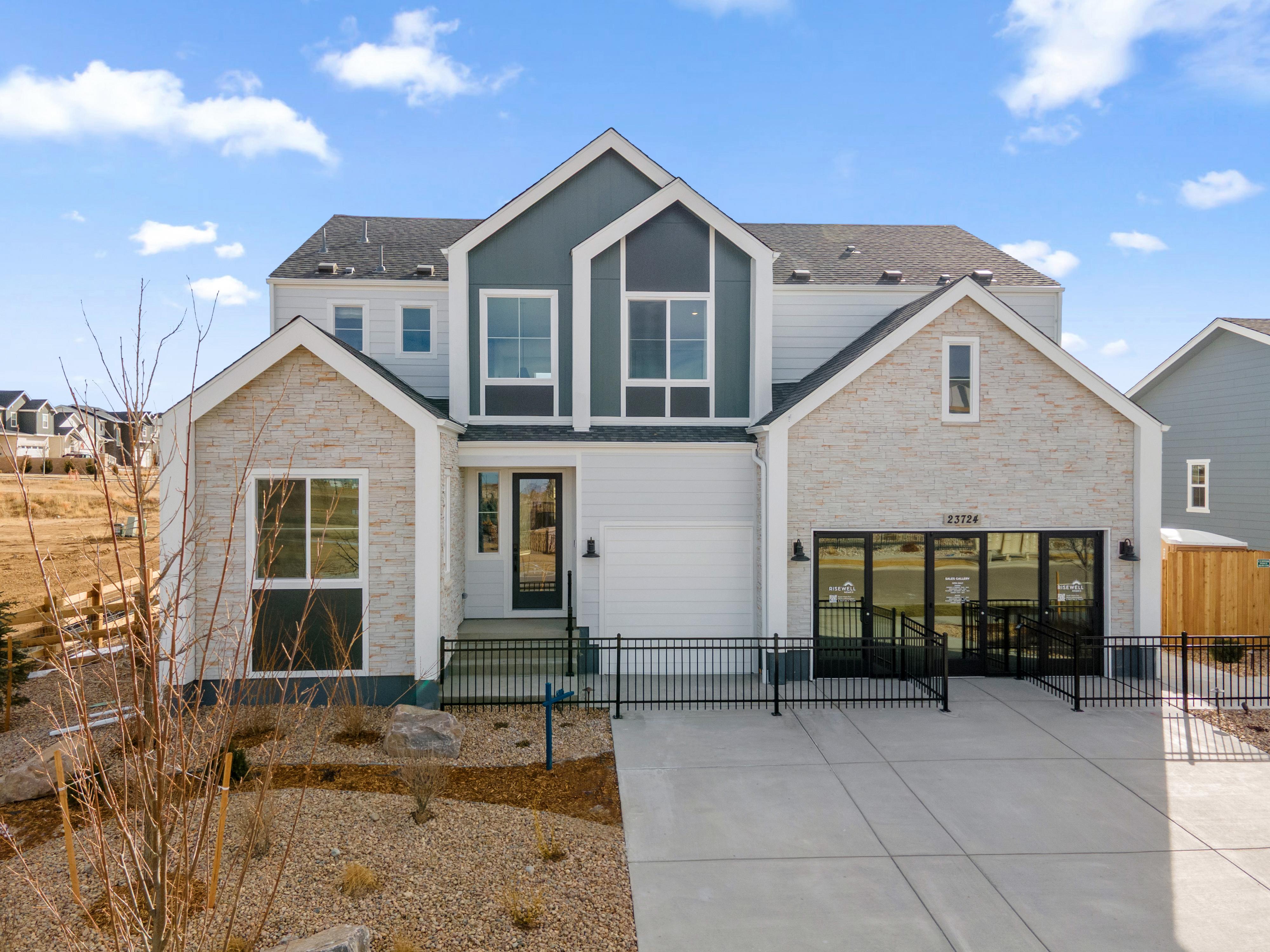
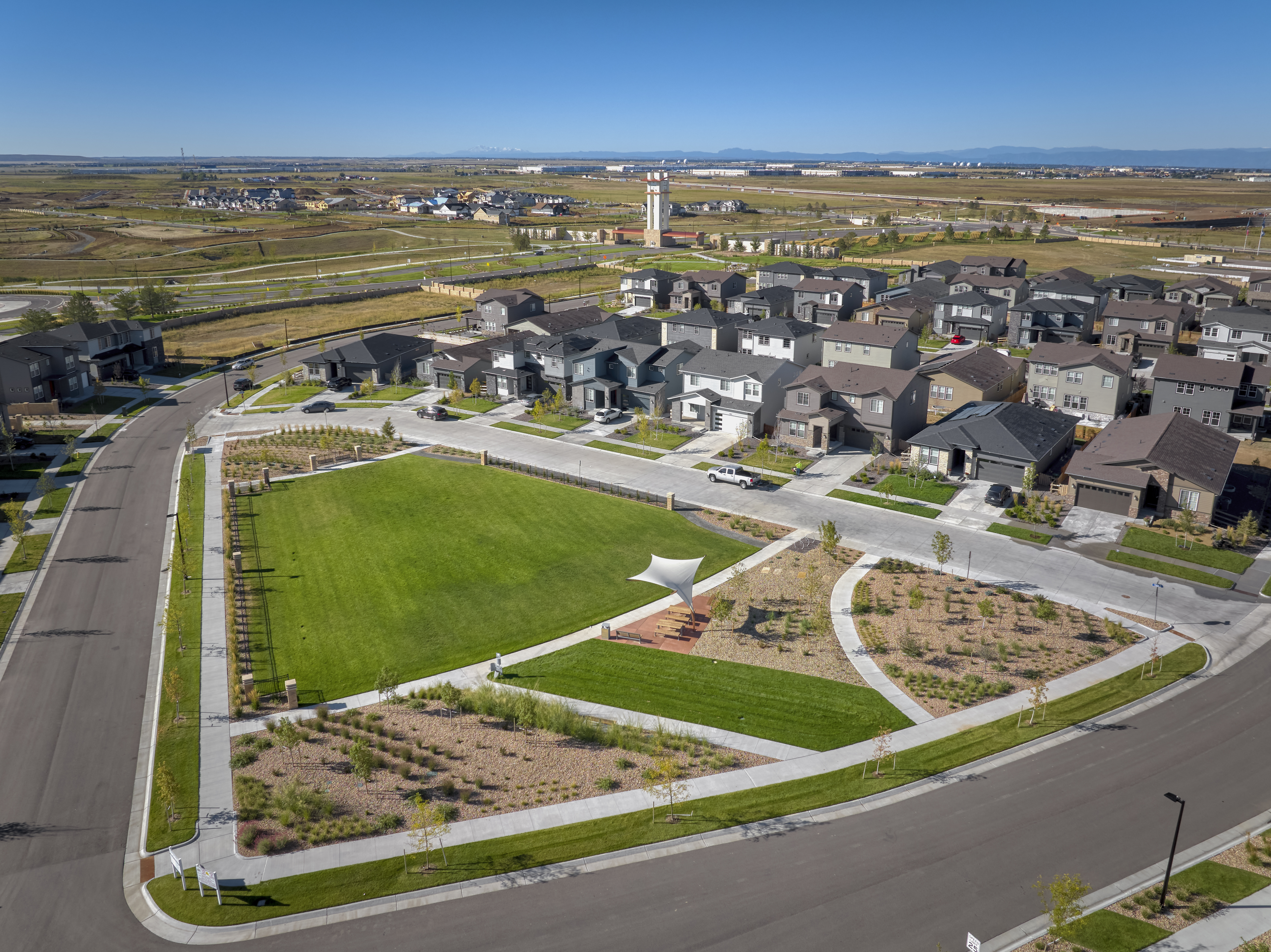
    The Aurora Highlands Community in Colorado is a prime example of the builder’s dedication to adaptable design and high-quality homes. 

    Photography by Nordy Photography

    A Carefully Crafted Community 

    The community was designed for upscale livability, its location carefully selected to inspire both connection and convenience. It is located in close proximity to the Denver International Airport, downtown Denver and the Rocky Mountains. The community features public art and parks throughout, with plenty of open space to encourage outdoor living. Plans for a future water park, a medical campus and annual events are set to inspire connection, another firm belief of the builder. 

    “Aurora Highlands represents everything Risewell Homes stands for: Thoughtful design, quality construction and a deep commitment to how people want to live today,” said Matthew R. Zaist, President and CEO of Risewell Homes. 

    The community is a blend of several architectural styles, including Modern Prairie, Modern European Farmhouse and Modern Nordic, creating a visually rich yet cohesive streetscape. Clean lines, contemporary materials and balanced proportions give each home a modern, upscale presence. Large windows, covered entries and integrated garages create a visually-striking curb appeal. 

    The project came to fruition during a unique time, the merging of two companies into one organization. McGovern noted that aligning teams and processes, while still adhering to design standards, during the launch of a new brand was both challenging and rewarding. The overlapping process required immense focus and strict discipline. 

    Photography by Nordy Photography

    Efficiency Meets Elevated Construction

    Each home is integrated with advanced smart technology for more efficient energy use, including smart thermostats and automated lighting. The connected systems optimize energy efficiency and water use without sacrificing comfort.  

    Beyond technology, Aurora Highlands’ homes were built with modern, high-performance construction practices. These include energy-efficient windows and enhanced insulation that support year-round well-being. 

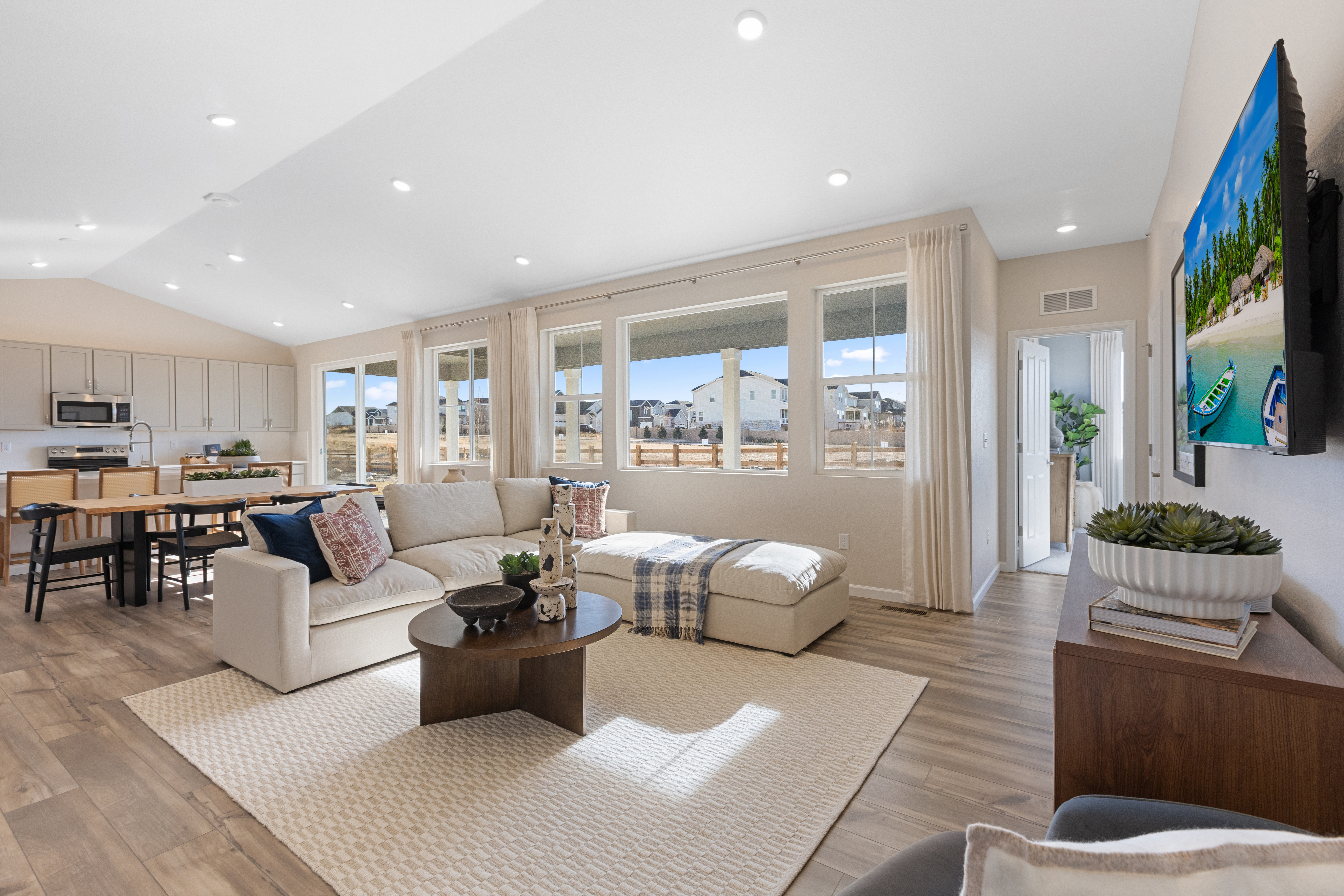
    Open floor plans create an expansive atmosphere that feels luxurious, yet grounded in simplicity. Large windows were added to almost every room in the homes, reducing the need for light usage in the daytime and allowing natural light to shine throughout, further improving overall efficiency while elevating design. 

    “[The Aurora Highlands] is not just a single project, but a long-term platform for how we intend to deliver quality homes to our customers,” said McGovern. 

    Photography by Nordy Photography

    Designed for Every Stage in Life 

    The community is made up of one-and two-story, single-family homes, ranging in size from approximately 2,043 to 3,022 square feet. Some of the homes were built with finished basements that provide additional living space. The builder designed the Aurora Highlands with multigenerational design in mind, meticulously created for clients to permanently settle, with additional options for family expansion. 

    Depending on the configuration, floor plans include three-to-six-bedrooms and two-and-a-half to four-and-a-half bathrooms. Each home in the community is designed to enable various family needs and lifestyles , offering a dedicated flex space in every floor plan. Such floor plans were designed specifically for this community with a dedicated mission to deliver move-in-ready convenience. 

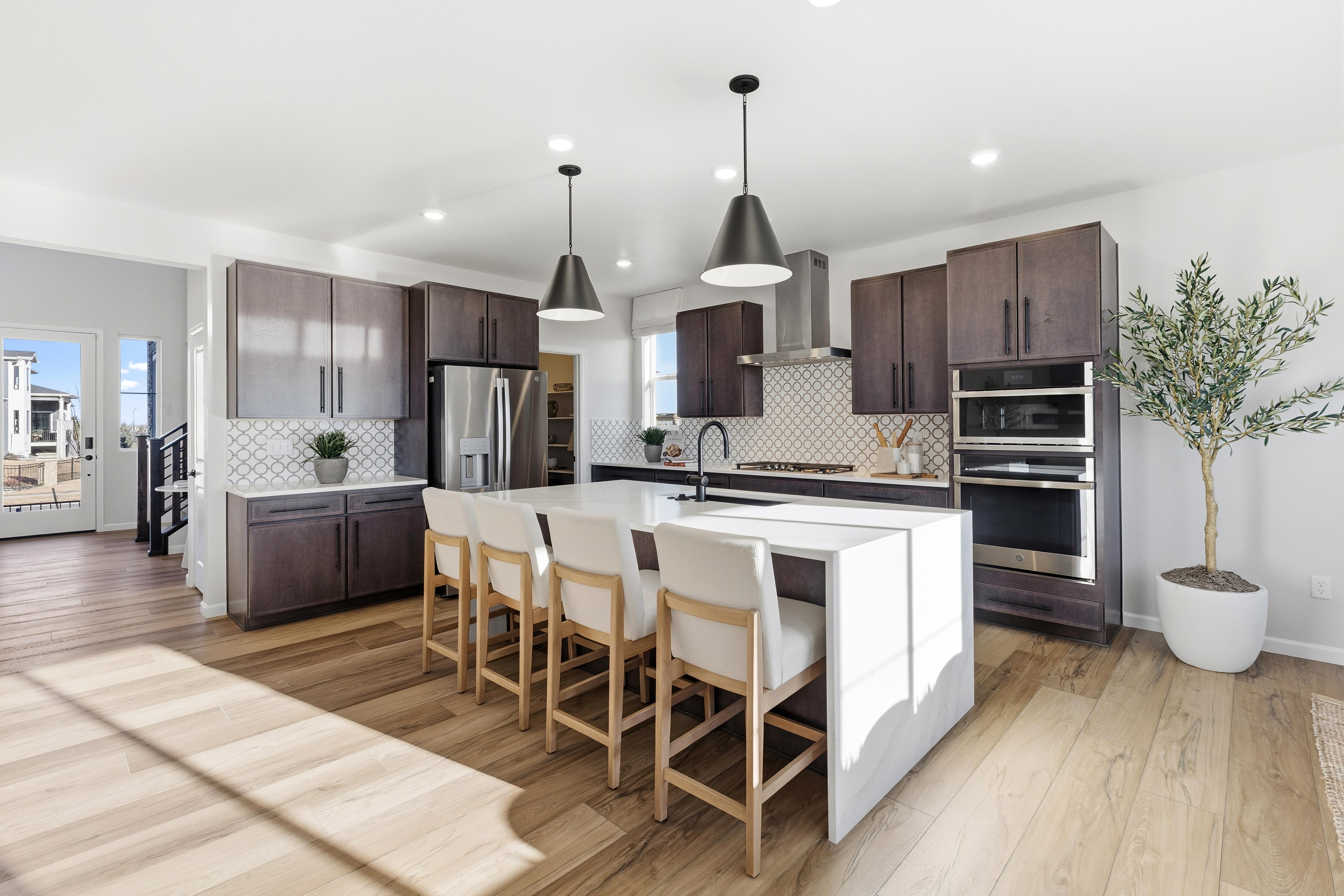
    Neutral color palettes inspire tranquility and encapture contemporary, modern design. Dark, wooden cabinetry creates a breathtaking, stark contrast in the modern, minimalist-inspired kitchen. While the kitchen is meant to inspire luxury living, the builder prioritized functionality in the space. 

    Through Risewell Homes’ Design Studio, homebuyers have the opportunity to personalize their homes, adhering to the builder’s standard to continuously design homes for how people live today. 

    Risewell Homes opened its model homes and began sales at the Aurora Highlands on Jan. 10, 2026. The community is expected to reach full build-out in the spring of 2028. 

    “This community brings together distinctive architecture, modern floor plans, smart technology and meaningful amenities in a location that truly supports both everyday life and long-term growth,” said Zaist. 

    Photography courtesy of Nordy Photography. 

    By Taylor Moore. She is the Assistant Editor at Builder and Developer and can be reached at taylor@builder.media.
    This story is featured in our May issue of Builder and Developer. Read the print version here

    This story is posted on our Instagram, Facebook, X and LinkedIn

  • Building Without Boundaries

    Building Without Boundaries

    Living Stone Design+Build showcases what creativity and craftsmanship can execute

    Design+ build firms offer the unique advantage of having all key players of the homebuilding process under one roof. One firm in particular, Living Stone Design+Build, takes its expertise and challenges the process of custom homebuilding, offering both a curated experience and a luxury product. 

    The project is 3,459 square feet with three-bedrooms, four-bathrooms, an office space and a two-car-garage.
     

    Hustle to High-End

    Sean Sullivan, President and Founder of Living Stone Design+Build began working in luxury residential construction in 1995. His origin story began with little mentorship or structure, but in that environment determination manifested. Then the unexpected happened. “One day the owner came in and let everyone go,” said Sean Sullivan. “That afternoon I went to a job site and started hanging siding.” 
    From that day he continued finding jobs in the industry. Sullivan described the beginning of the company like many others, starting with what it could get its hands on. This led to subcontracting work, then a pivot to remodeling and renovation of existing homes. 

    In 2006, Living Stone Design+Build was introduced to the concept of certified homes. The company certified its first ENERGY STAR home a year later. This moment of excitement quickly fell when the housing market did that year. In 2010, the builder became one of 10 bidders on a project and decided that the process of custom homebuilding did not align. This inspired its establishment of a design + build business and philosophy.

    “Our building philosophy is simple: Let’s build a better house every time, leaving the client with no regrets,” said Sullivan. 

    From there, Living Stone Design+Build launched ID.ology Interiors & Design, an interior design service to walk clients through the selection process.Once the company gained licensure, which it now holds in Tennessee, North Carolina and South Carolina, it began a multiyear process of interviewing architects. With the basis of a solid team, Sullivan realized that space planning and furnishing played a huge part in his mission of building happier, healthier lives. Shortly after, the team launched a nontoxic and low VOC furniture store, Atelier Maison & Co.

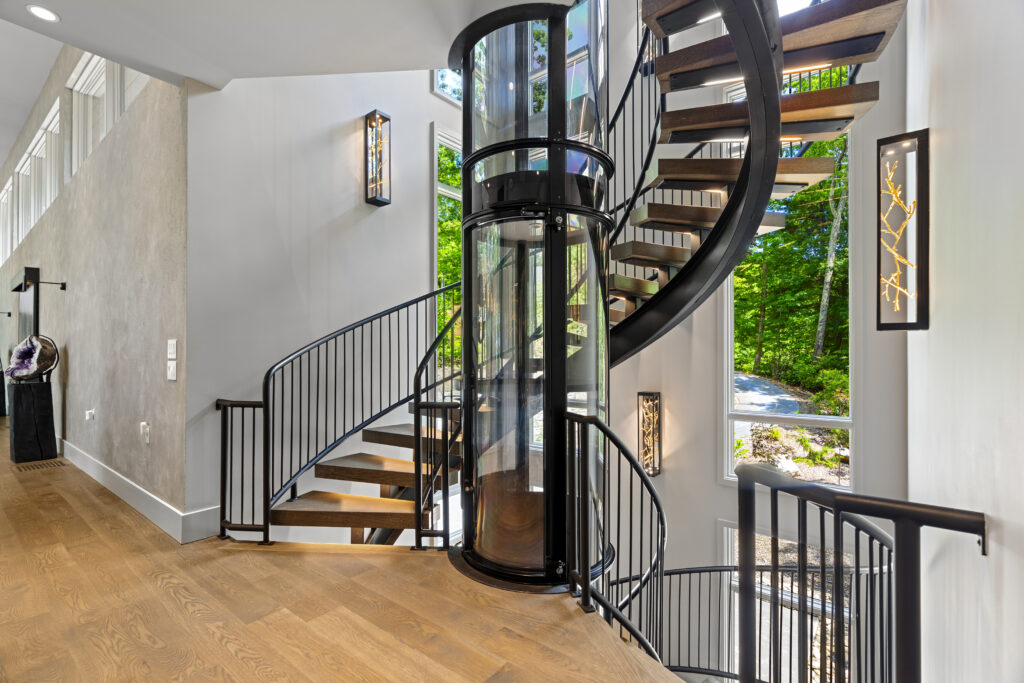
    The spiral custom steel staircase wrapped around the vacuum tube elevator won a NAHB BALA for Best Design Detail.


    Hidden Falls Haven

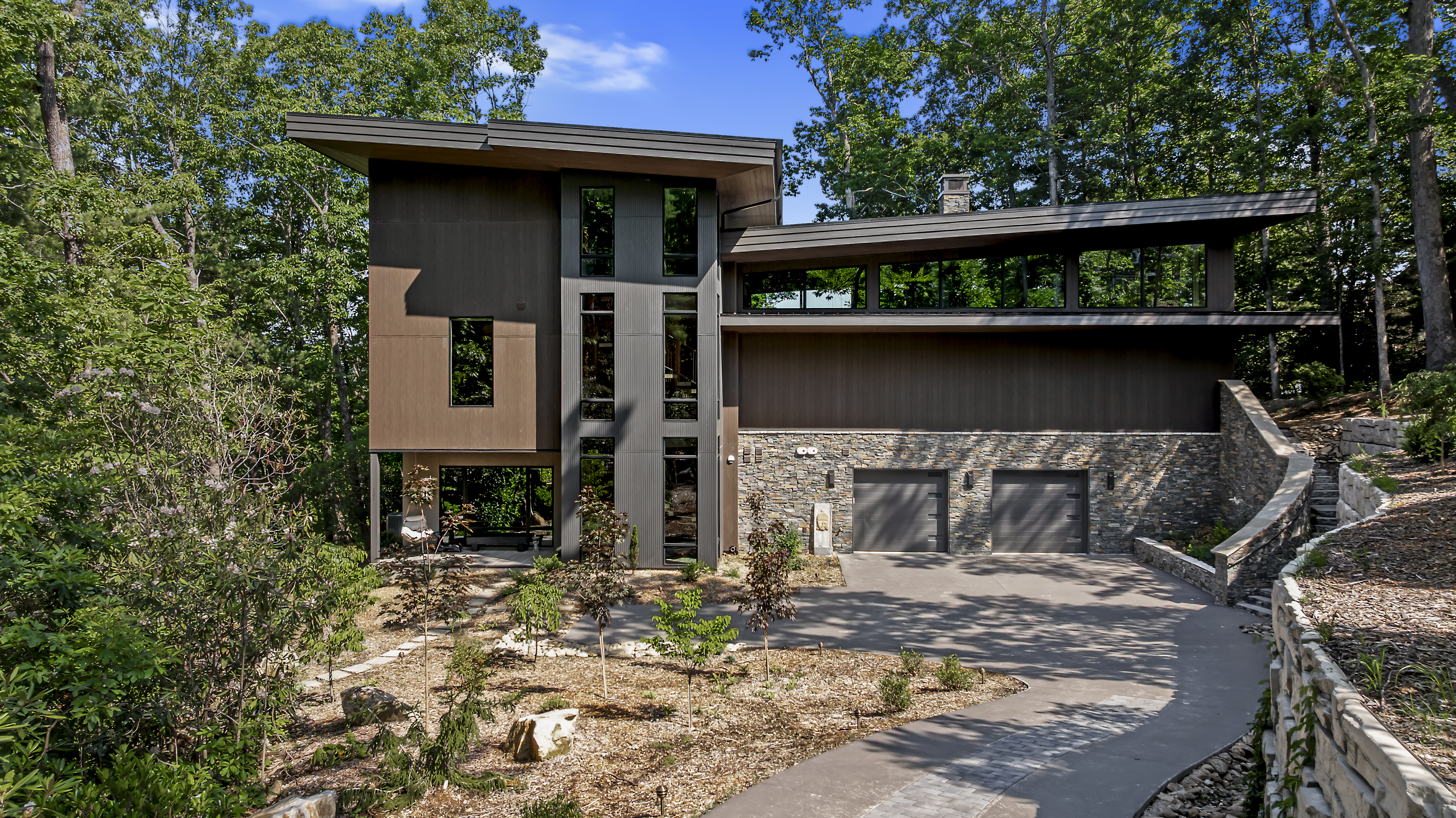
    Living Stone’s project, Hidden Falls in Flat Rock, N.C., exemplifies the tailored excellence that design + build firms build reputations on. The name draws inspiration from the waterfalls surrounding the property. 

    The home is 3,459 square feet with three-bedrooms, four-bathrooms, an office space and a two-car-garage. The open concept design and expansive windows welcomes natural light and views of the surrounding wooded area. 

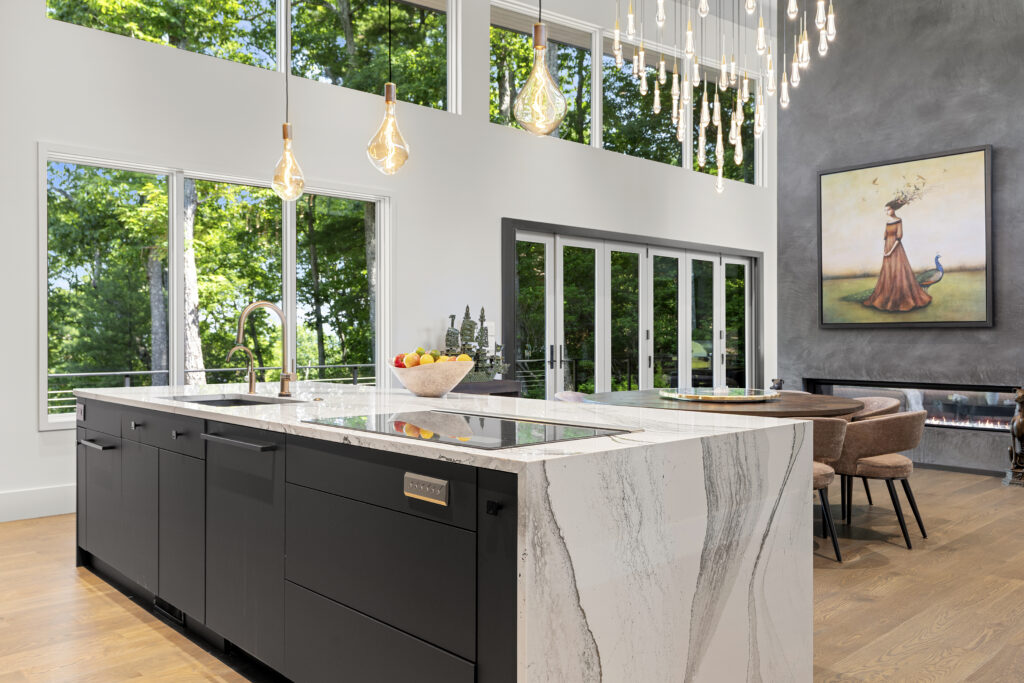
     The kitchen and living room are separated by a dramatic fireplace with accordion sliding doors to maximize connectivity outside. The kitchen features a waterfall island of natural granite balanced against the gold fixtures, matte black cabinetry and teardrop-esque lights.

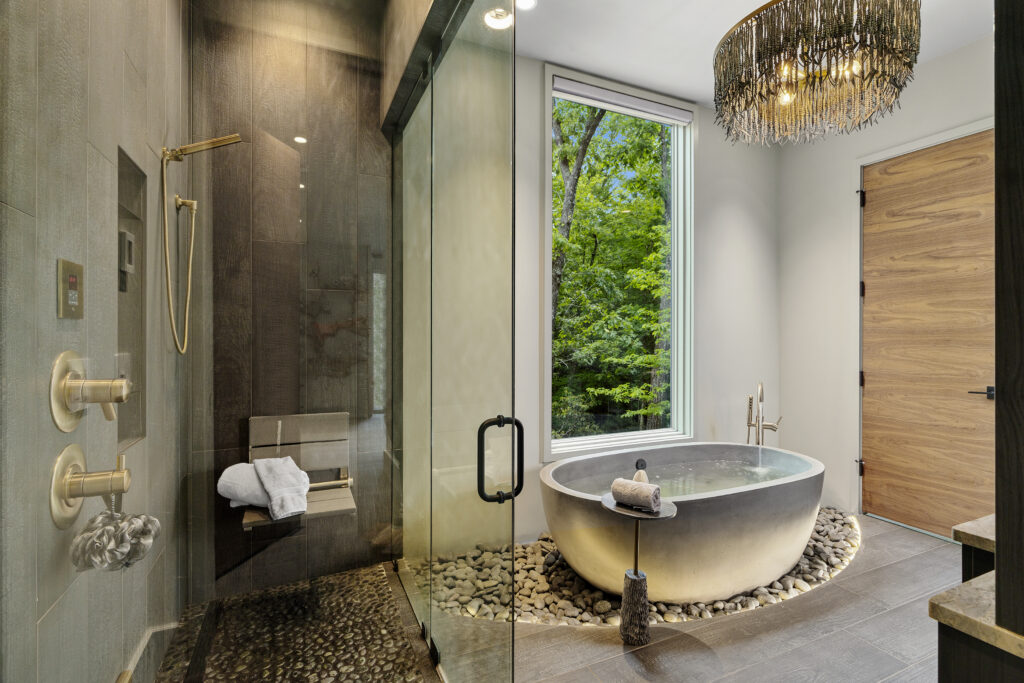
    The bathroom is styled with a recessed tub in a bed of river rocks framed by a charming chandelier and thoughtfully placed window.

    The bathroom is the epitome of serene surroundings with a recessed tub in a bed of river rocks framed by a charming chandelier and thoughtfully placed window. 

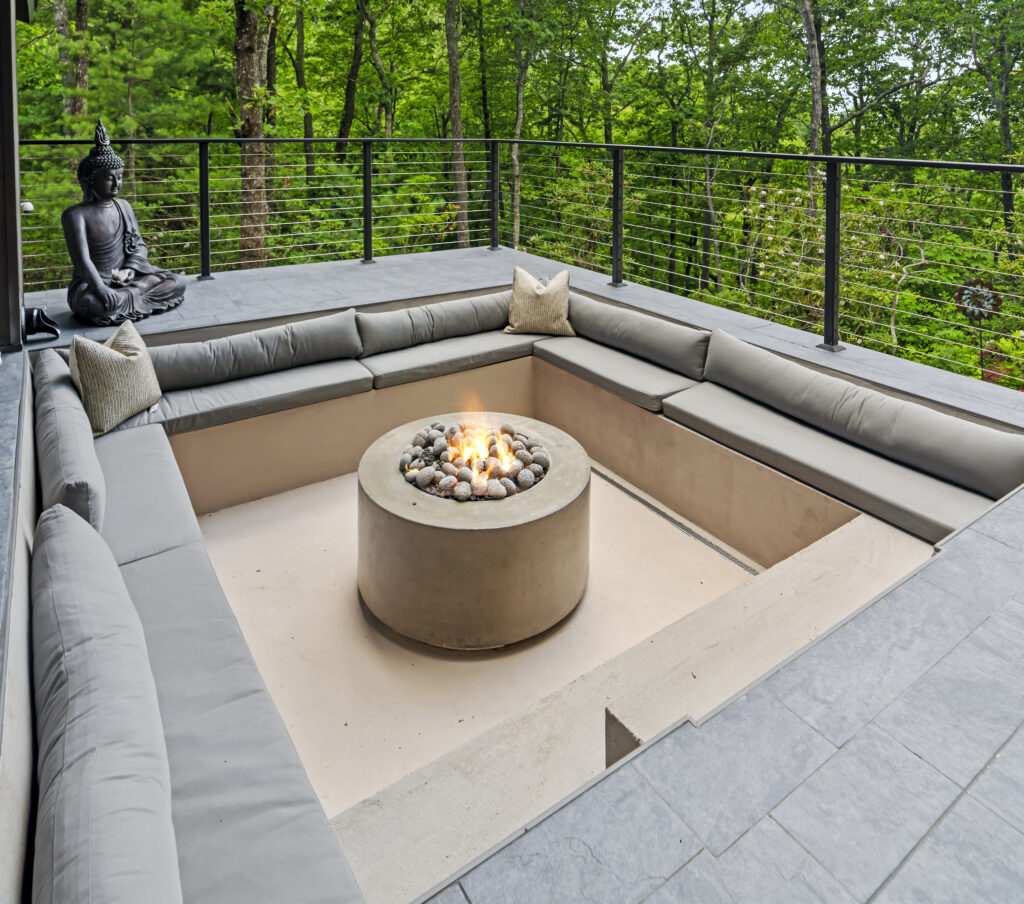
    An intricate but unforgettable design detail is the spiral custom steel staircase wrapped around the vacuum tube elevator. This outstanding element is elegantly executed to increase mobility while adding an unexpected architectural flair to the interior. The remarkable touches continue outside. On the patio of the project is a custom recessed fireplace and conversation pit inviting conversation immersed in nature.

    In addition to these stellar design details, the project can operate 100% off grid. Alongside solar panels with battery backup and rainwater collection, it is certified by ENERGY STAR, GreenBuilt Platinum & Net Zero Energy and Indoor airPLUS. 

    On the patio of the project is a custom recessed fireplace and conversation pit inviting conversation immersed in nature.

    Award-Winning Craftsmanship

    The project went on to win both regional and national awards. Starting at the regional level with WNC Stars Award, Silver Craftsmanship Award and Best Sustainable Project presented by the Builders Association of the Blue Ridge Mountains. Then the project won Best One-of-a-kind Home from the North Carolina Home Builders Association (NCHBA). Finally it achieved national recognition from the National Association of Home Builders Best in American Living Award for Best Design Detail. 

    “These awards are a confirmation of our hard work and craftsmanship, setting a standard for building and design as well as our commitment to sustainability,” said Austin Fox, Project Manager at Living Stone Design + Build.


    By Sofia Feeney. She is the Editor at Builder and Developer and can be reached at sofia@builder.media

    This story is also featured in B&D May read the print version.

  • Expressive yet Timeless

    Expressive yet Timeless

    Camelot Homes’ building philosophy is rooted in the belief that luxury should be both beautifully designed and deeply livable. Easier said than done for most builders, but Camelot Homes delivers.

    A 50 Year Legacy  

    Their story begins as a family-founded homebuilder over 50 years ago. While retaining its intentional focus on architecture, design and the luxury experience, Camelot Homes evolved to embrace the homebuyer of today. The definition of luxury is shifting with a rising demand for expressive architecture, indoor-outdoor living, advanced building technologies and a heightened focus on sustainability and energy efficiency. The builder’s approach is predictive, not reactive.

    Julie Hancock, Board Member at Camelot Homes describes the company’s building philosophy as simple: Building right and treating people right or don’t build at all. She describes a fine line between beauty and quality, both need to prevail. “We’ve always believed great homes come from the intersection of design, function and discipline,” said Julie Hancock.

    The company culture plays a large role in the success of the builder. Last year Camelot introduced an Employee Stock Ownership Plan. “We’ve built a culture where people are expected to think for themselves, be a problem solver and to do the right thing,” said Hancock. “When people have ownership, they stop thinking like employees and start thinking like builders and operators: That changes everything.”

    Bespoke Blueprints 

    Cammie Hancock Beckert grew up visiting job sites and walking model homes with her parents on weekends. To her, it simply felt like a way of life rather than a defined career path. Her  passion for the business developed when she joined the family company and began working in sales.

    Camelot Homes worked closely with architect Bob White on the White Horse community project. The elevated, custom-level design resonated with buyers and led to increased interest from clients wanting to build similar homes on their own lots. The combination of strategic planning, market demand and prior experience ultimately led to the creation of Cameron Custom, where Hancock Beckert leads as the Division President.

    “Working across both Cameron Custom and Camelot Homes has given me a unique balance of perspectives, the creativity and flexibility of custom homes alongside the discipline and systems of a larger production builder,” said Hancock Beckert. “As Cameron Custom has evolved, I’ve had the opportunity to mentor team members in areas like preconstruction planning, client communication and navigating complex projects.”

    Under Hancock Beckert’s leadership, one of Cameron Custom’s projects, Whisper Rock is a custom-edition of Camelot’s Gold Nugget award-winning Cheval floorplan features The home features four-bedrooms, five-and-a-half baths, a den and a separate casita. At 5,673 square-feet, the interiors are guided by expert design with thoughtful lighting placement, accents of gold hardware and modern Calacatta Viola marble in the kitchen, fireplace and primary bath. The project is grounded by Camelot’s seamless integration of indoor-outdoor living, bringing the warm aesthetic of the desert inside.

    The Edge at Joy Ranch 

    An example of Camelot’s high-bar for community execution is the Edge at Joy Ranch. This site was chosen for its balance of privacy without isolation.

    The architecture of the Edge at Joy Ranch leans towards a sculptural, postmodern-inspired massing. The home uses butterfly roofs and mono pitches to create dimension and textured exterior design in three complimentary colors to add contrast.

    Underneath this is the decision to uphold luxury living with sustainability. In a desert environment, the optimized building orientation mitigates heat gain while maximizing daylighting. High-performance glazing and insulation improve comfort and energy use without sacrificing expansive views.

    The exterior spaces function as true extensions of the interior rather than isolated amenities. While the deep overhangs and strategically placed apertures enhance airflow and passive cooling, reducing reliance on mechanical systems. The layout of the architecture and landscape design allows for ease of movement with entry points of large sliding doors in nearly every room.

    Camelot plays on the give and take of expressive design, instilling art in the architecture while being a home to live and grow in.

    Photo Credit: Camelot Homes

    By Sofia Feeney. She is the Editor at Builder and Developer and can be reached at sofia@builder.media

    This story is also featured in B&D May read the print version.

    This story is posted on our Instagram, Facebook, X and LinkedIn

  • B&D Interview: Cammie Hancock Beckert

    B&D Interview: Cammie Hancock Beckert

    Cammie Hancock Beckert, President of Cameron Custom at Camelot Homes discusses branching out as a family-founded builder 

    Builder and Developer: Where did your interest in residential construction begin?

    Cammie Hancock Beckert: I grew up visiting job sites and walking model homes with my parents on weekends. At the time, it simply felt like a way of life rather than a defined career path. My interest in the industry became more intentional in my second role out of college, where I worked with builders providing market research data.

    However, my true passion for the business developed when I joined our family company and began working in sales. Collaborating with families, building relationships and guiding them through the process of creating their homes was incredibly meaningful. I found great fulfillment in helping bring their vision to life as their homes took shape.

    B&D: Tell us the story behind founding your division at Camelot Homes:

    CHB: One of the things I value most about our company is the discipline to work on the business, not just in it. Through EOS, we regularly evaluate our long-term goals, which led us to identify an opportunity to diversify beyond luxury production communities. Custom homes became a natural extension.

    After more than 20 years in the family business, I was motivated to build something of my own, leveraging our proven systems while creating a more personalized, design-driven offering.

    We had also been approached over time to build on client-owned lots, typically for clients already familiar with our work.

    Additionally, our White Horse community played a meaningful role. The architecture was designed by renowned architect Bob White, who is known for his work in the custom home space. The elevated, custom-level design resonated with buyers and led to increased interest from clients wanting to build similar homes on their own lots.

    The combination of strategic planning, market demand and prior experience ultimately led to the creation of Cameron Custom.

    B&D How do you describe your building philosophy? 

    CHB: My building philosophy is rooted in collaboration, transparency and accountability.

    I believe the most successful projects start with early alignment between the client, architect and design team, especially around vision, scope and budget.

    Equally important is maintaining a strong, structured process throughout both design and construction. Clear communication, proactive planning and attention to detail are what ultimately translate great design into a well-executed home.

    B&D: What qualities were crucial to your success? 

    CHB: Resilience, adaptability, grit and a commitment to continuous improvement have been critical.

    The custom homebuilding process presents unique challenges and success often depends on the ability to navigate complexity while maintaining consistency and focus.

    Strong communication skills, along with the ability to manage both client expectations and team coordination, have also been key contributors.


    B&D: What advice would you give to others looking to start or further their careers?  
    CHB: Be curious, don’t shy away from the hard parts. That’s where the most growth happens and where you build grit and confidence. Surround yourself with people you can learn from. This industry is built on experience. Having the right mentors can make a meaningful difference in how quickly and how far you grow.

    B&D:How has your experience at Cameron Custom & Camelot Homes advanced your career or provided mentorship to others? 

    CHB: Working across both Cameron Custom and Camelot Homes has given me a unique balance of perspectives; the creativity and flexibility of custom homes alongside the discipline and systems of a larger production builder. That combination has significantly shaped how I approach both design and execution. As Cameron Custom has evolved, I’ve had the opportunity to mentor team members in areas like preconstruction planning, client communication and navigating complex projects. I focus on creating an environment where people feel supported, but also challenged to think critically, take ownership and grow in their roles.

    This is the full interview, read the print version in B&D May. 

  • Alpine architecture blended with modernism

    Alpine architecture blended with modernism

    Loudermilk Homes is one of the leading custom luxury design and build firms across Georgia and North Carolina, a testament seen in their three custom homes located in the Saratay Falls community of Cashiers, N.C., Each of the three homes were designed to capture the rustic elements of the mountains in Cashiers, creating an aesthetic that is both rugged and lavish. 

    The builder was named a finalist for the Custom Home Builder of the Year award by the National Association of Home Builder’s Nationals in 2022, 2024 and 2025. 

    “We have a mantra, ‘Build it like it’s yours,’” said Sherwin Loudermilk, Founder and President of Loudermilk Homes. “We proactively look for ways to make the home more comfortable or functional. Everything we do is an effort to make the custom home design and construction easier and enjoyable.” 

    A Designer Showhouse 

    Loudermilk Homes’ custom project on Lot 5 in Saratay Falls was chosen for the 2025 Cashiers Designer Showhouse, a major city event by the Cashiers Historical Society that invited approximately a dozen top interior designs to each design a room according to their style, showcasing their unique talents and bringing an artistic element to the home. 

    “The home has a rich variety of design styles from room to room,” said Loudermilk. “We really enjoyed seeing so many different visions for design come together in a cohesive way.” 

    The project was designed with expansive windows throughout, offering a seamless portal between the home and woodsy outdoors. The dining room’s pointed ceiling, framework windows and sage green walls offer an openness to nature and a timeless design. 

    Rustic, wooden elements were embedded throughout the custom home, most notably in the Grand Room. Wooden beams overlook the room in cabinesque fashion, adding a rustic flare to the home. Full-height sliding glass pocket doors open from the great room to an expansive, covered balcony, allowing the clients to enjoy fresh air and mountain beautiful views. 

    The kitchen is accentuated with rich, dark wooden cabinetry, while the homeowners’ bathroom has giant, wooden doors to match. The doors open to a space that blends wellness within the design, its openness prioritizing comfort and efficiency. 

    Custom Charm in Cashiers 

    Saratay Falls is an ultra-private mountain community tucked into the hills of Cashiers. Surrounded by a 40-foot natural waterfall, old-growth native trees and hiking trails, Loudermilk came across what was originally the 25-acre plot of land and saw a vision for a luxury retreat. Since buying the land in 2020, he has divided the plots into several one-acre custom homesites. 

    Cashiers’ topography of rolling hills and steep changes offered both beauty and unique challenges. The lots’ natural grading included pockets of rock and hard, compacted dirt that the builder had to contend with when digging a basement or laying foundations. The builder also wanted to preserve as many trees and native plants as possible to incorporate naturistic design, going in with a scalpel during construction preparation. 

    The three custom homes have architectural style influenced by modern mountain aesthetics, with large banks of windows that frame views of the forest, oversized wood beams, metal roofs, oversized fireplaces, natural stone and other wooden materials. Each of the three homes has a European modern design influence, with clean lines and luxurious amenities such as spa-inspired bathrooms with article tile and a chef’s kitchen with top-of-the-line appliances. 

    Lot 14 was one of Loudermilk Homes’ first custom projects in Saratay Falls and was designed by an in-house interior design team with custom millwork such as built-in cabinets in the dining room and panel molding on the wall to create unique visuals. The enormous grand fireplace creates a sense of grandeur upon entry, offering a glimpse to the mountains in the foreground from the kitchen and the living room. 

    The Builder’s Mission

    Loudermilk Homes was founded in 2009 once Loudermilk saw the need and potential for a more rigorous, disciplined and transparent process for custom home design and construction.

    With his own nine-step strategy that he calls the “Process to Perfection,” Loudermilk prioritizes client understanding through each step of the homebuilding process, from budget updates to a live 24/7 video feed of the project’s construction. Loudermilk Homes offers in-house architectural services and interior design services through the sister company, Loudermilk Designs, owned by Loudermilk’s wife, Roane Loudermilk.

    Loudermilk Homes continuously aims to build with technological advancements and sustainable design in mind. The company prides itself on going the extra mile when designing custom homes, seen with the three nature-inspired projects in Saratay Falls.  

    Photos courtesy of Loudermilk Homes. 

    By Taylor Moore. She is the Editorial Assistant at Builder Media and can be reached at taylor@builder.media

    This story is featured in our March issue of Builder and Developer. Read the print version here

  • Intentional Elevations to Support Health and Wellness

    Intentional Elevations to Support Health and Wellness

    Highland Homes blends lifestyle and architectural charm in the Jubilee community

    Highland Homes describes their design philosophy as centering on thoughtful, customer-first design and enduring quality. Founded in 1985 in Plano, Texas, by brother and sister team Rod Sanders and Jean Ann Brock, the duo remain involved in the company’s leadership today. In 2026, they are focused on designing homes that support overall wellness and elevated livability. 

    “Today’s buyers are seeking environments that not only look beautiful but also feel restorative and balanced,” said Joy Feely, Director of Interior Design and Model Merchandising at Highland Homes. Feely elaborated that their enhancements extend to design decisions that prioritize natural light and connection to the outdoors, architectural character and flexible spaces. Their additions to the Jubilee community exemplify this dedication. 

    Wellness-Defined Lifestyle 

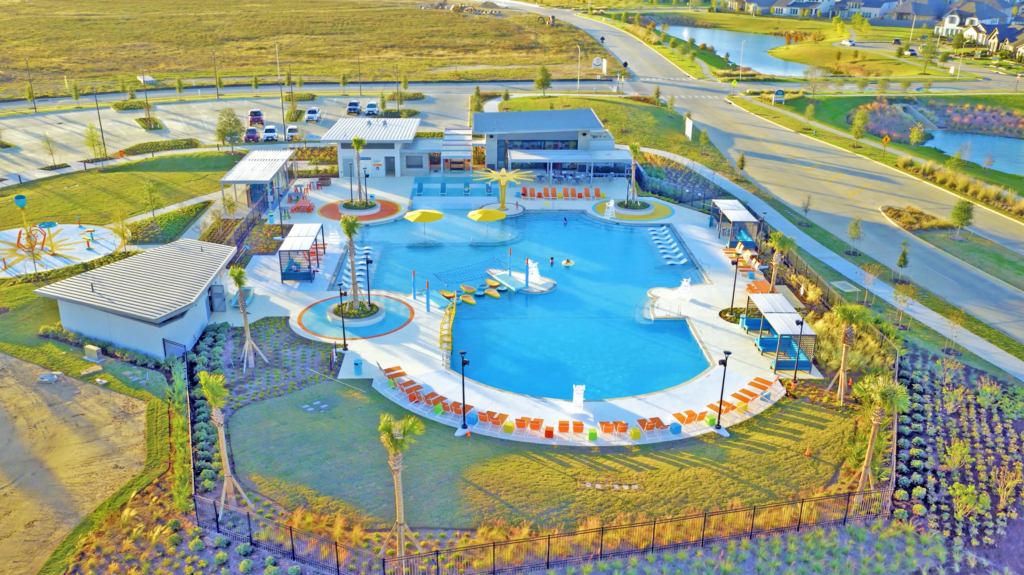
    Sitting on 1,622 acres in Hockley, Texas, Jubilee was established as a commitment to holistic wellness. The site selection reflected a deliberate decision for a quieter, more rural setting with strong highway access for employment opportunities and connectivity to the Houston metro area. Development of the master-planned community from Johnson Development began in 2019 and broke ground in 2023. While sales started in early 2024, Jubilee is still under active development. The community is planning to expand over the next 10-12 years with a total estimated build-out of 4,000 homes. 

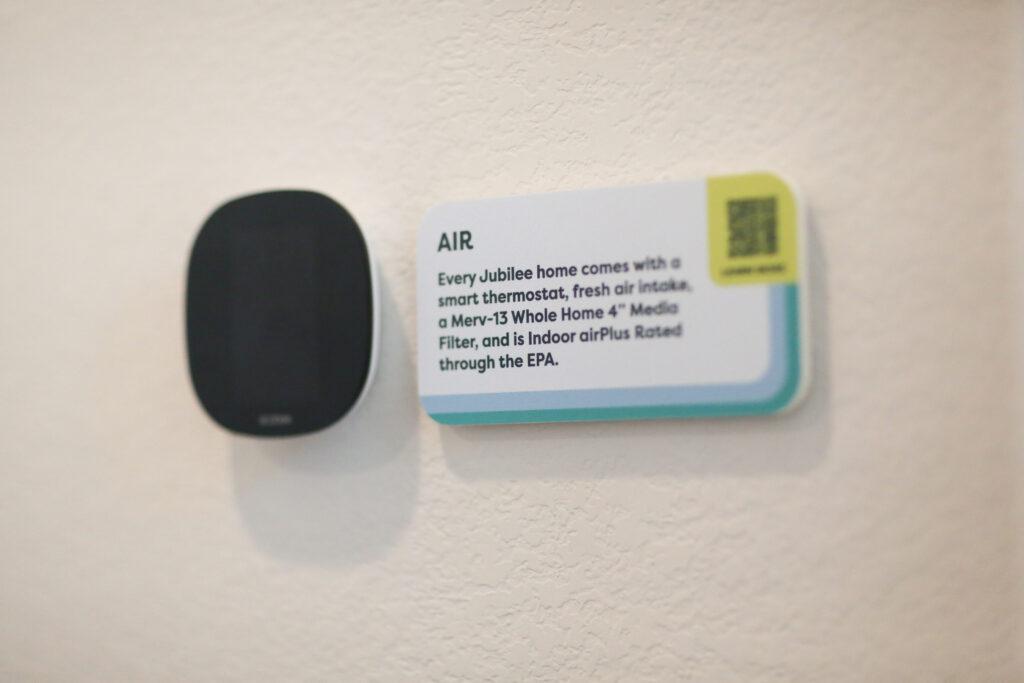
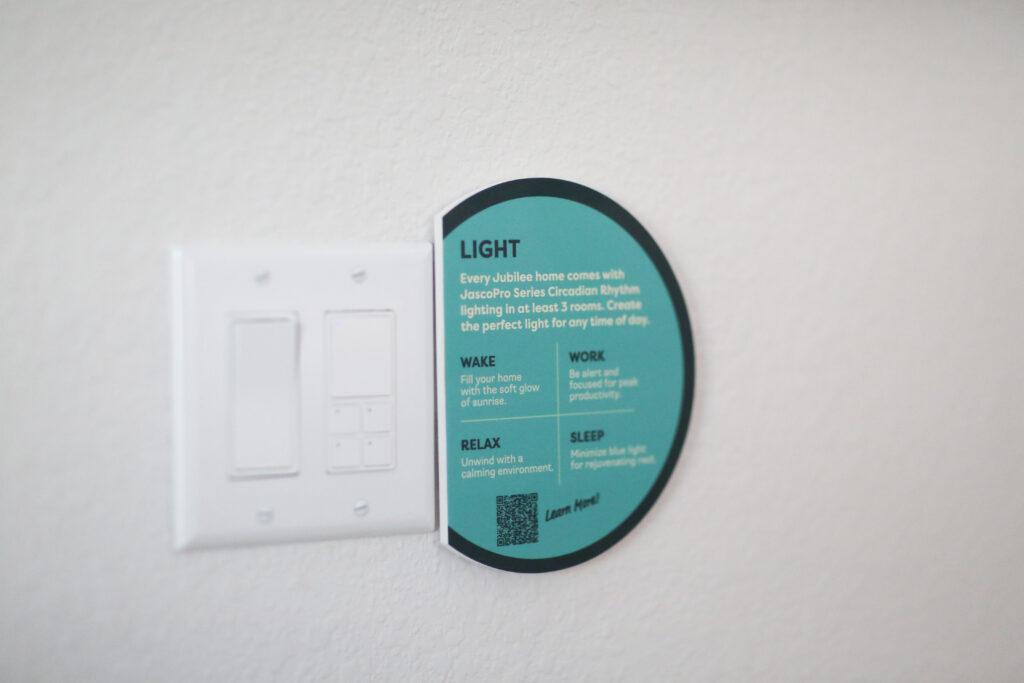
    Wellness in Jubilee starts with a commitment to verifiable institutions. All the homes within the community are certified WELL for Residential (International WELL Building Institute), Energy Star and EPA Indoor airPLUS. Indoor Air Quality is supported by a MERV 13 media filter to improve filtration performance. Notably, the community pioneered the first homes in Texas to meet the WELL verification. Outside of verified performance metrics, the community rounds out wellness with unique  qualities. This includes a reverse osmosis system for water quality, circadian rhythm lighting and modern technology such as a video doorbell and an alarm control panel. 

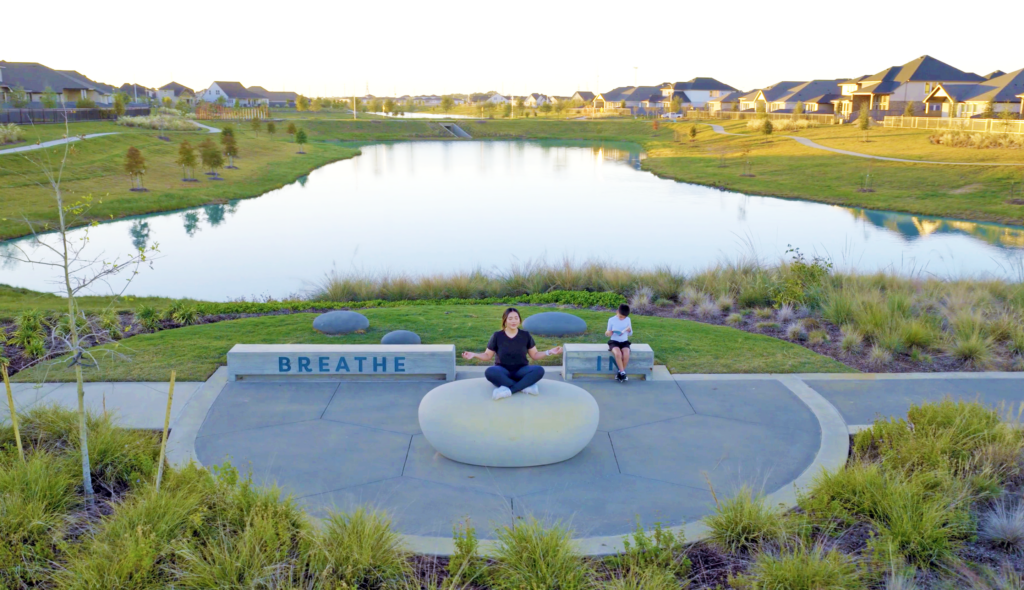
    A pillar of this community is their signature “connection zones,” an amenity offering a step away from the digital world and towards their neighbors. These spaces include designated reflection, exploration and inspiration zones offering organic connection and events planned by the community’s lifestyle director. 

    Rooted in Refined Livability

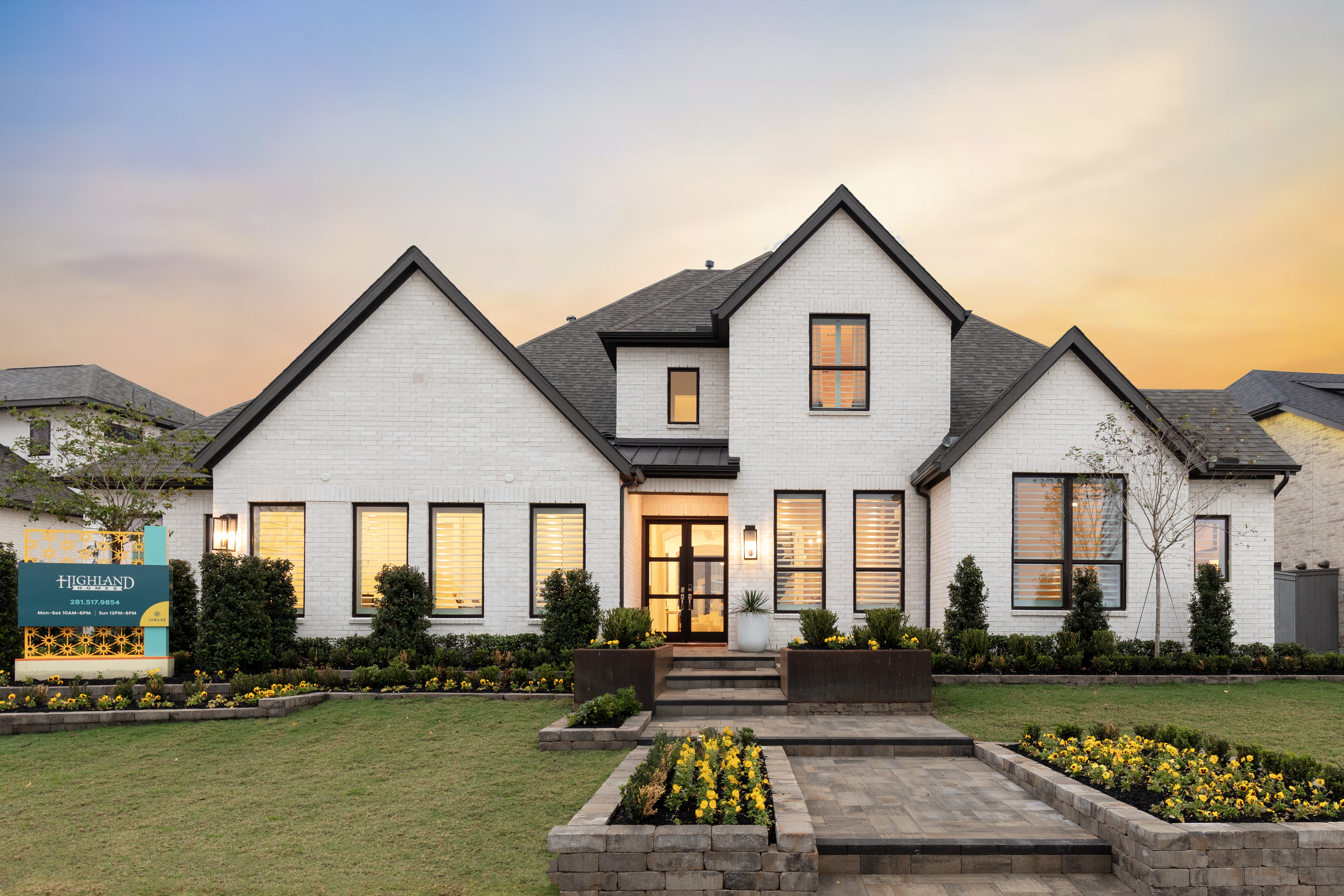
    Highland Home’s recently released 70’ homesites in Jubilee feature 14 thoughtfully designed plans ranging from 2,938 to 4,359 square feet. The model home is Plan 222, which includes a primary bedroom extension, a secondary bedroom extension and the addition of a 5th bedroom across 4,030 square feet. 

    Plan 222 is a Modern Cottage elevation. Featuring steep roof pitches and carefully positioned windows enhances the architectural appeal while also maximizing natural light throughout the interior. The exterior blends painted brick, metal accents and contrasting trim to add depth and visual interest. Highland Homes described one of the primary challenges in creating this project was achieving the right balance between architectural impact and everyday livability within a large-scale plan. The project’s open-concept and entertaining-forward design resonate in suburban family markets, while the warm contemporary aesthetic translates well in urban-influenced areas. 

    “At Highland Homes, we believe great design begins with how people truly live. Jubilee and our Plan 222 represent our commitment to thoughtful architecture, wellness-driven features and timeless interiors that support both everyday living and meaningful connection,” said Zein Mangalji, VP of Sales at Highland Homes Houston. “Our focus is about creating homes that have a sense of arrival and yet entirely livable for the busy lifestyles of our homeowners.” 

    Elegant Merchandising 

    Inside the model home, their 40-year partnership with IBB for interior design shines. With such a storied connection, Highland Homes and IBB balance market research, buyer preferences and design trends to deliver homes that are as structurally sound as they are visually compelling. The partnership emphasizes an aspirational look with timeless materials and tonal layering rather than bold statements.

    A key design decision was ensuring visual and emotional cohesion throughout the project. Entering the home, the glass-paneled front doors invite natural light into the foyer, while the open staircase and balcony above create architectural interest. 

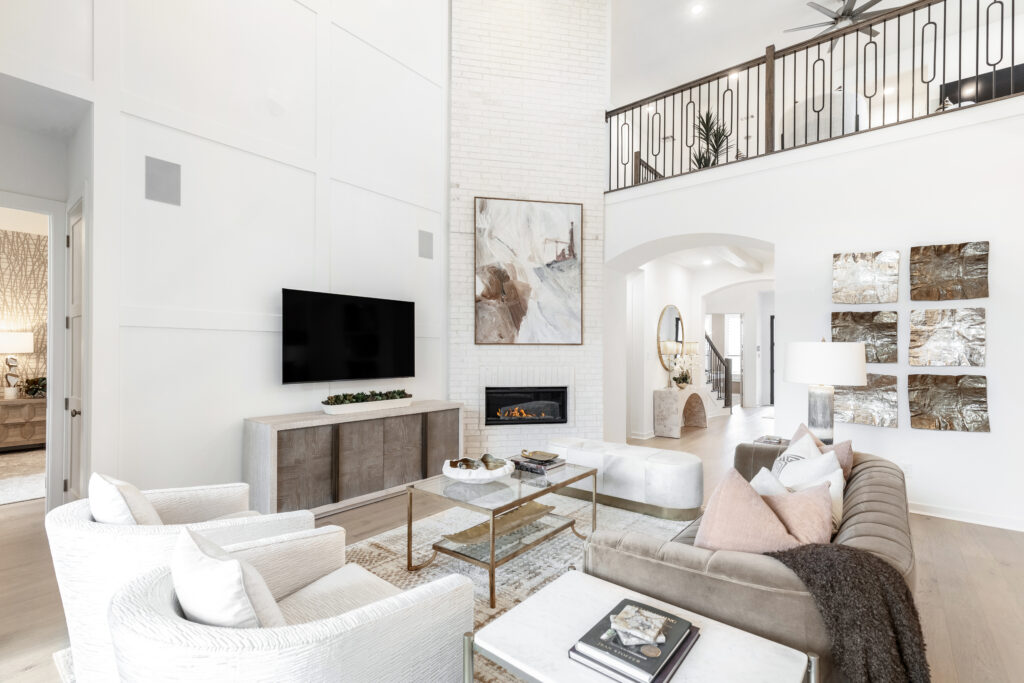
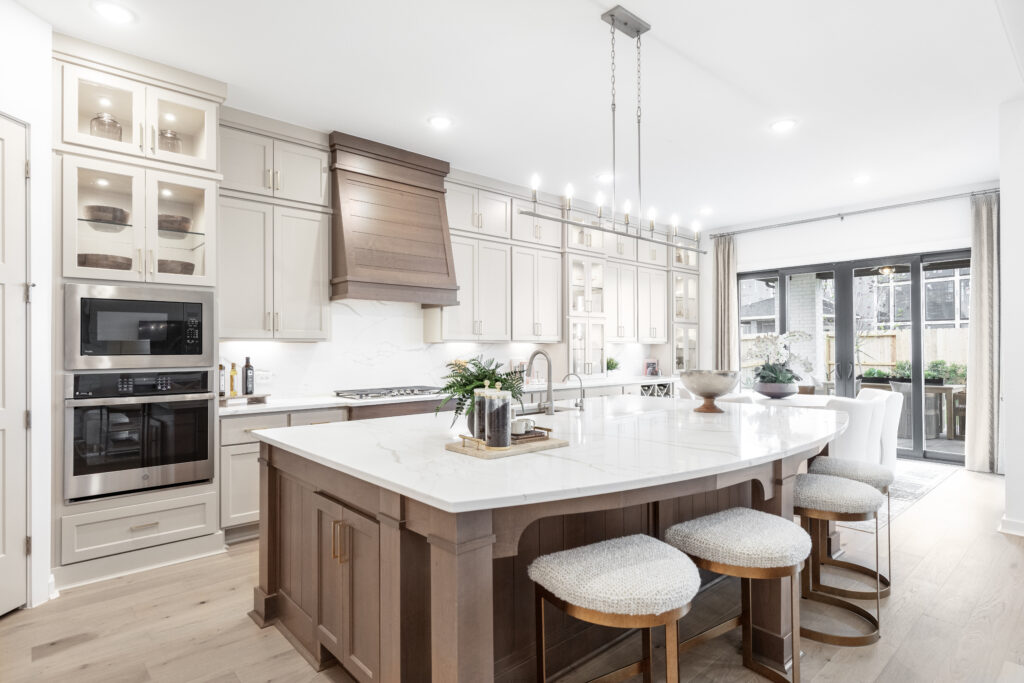
    The Highland Homes team focused on seamless connection throughout the kitchen, dining and great room. This is complemented by the neutral hues present throughout the merchandising. Comforting hues like mushroom, caramel and brass are blended with rich textures such as boucle, mohair, linen and natural stone. This project marries measured design within a larger vision for wellness.

    Photos courtesy of Highland Homes.

    This story is featured in B&D March, read the print version


  • B&D Interview: Sherri Drew, National Vice President of Design Studios at Tri Pointe Homes®

    B&D Interview: Sherri Drew, National Vice President of Design Studios at Tri Pointe Homes®

    Tri Pointe Emberly

    In the details with the NAHB Nationals Gold-winning Design Studio 

    Builder and Developer: As National Vice President of Design Studios at Tri Pointe Homes®, how would you describe your design philosophy? 

    Sherri Drew:My design philosophy is rooted in the belief that the design studio is one of the most influential touchpoints in the homebuying journey. It’s where a structural plan transforms into a personal expression of lifestyle for our customers. For today’s buyers, design is not an afterthought, it’s central to how they define home. At Tri Pointe Homes, we focus on curating intentional, cohesive assortments that simplify decision-making while still allowing for meaningful personalization.  I believe great design leadership is about striking the right balance between inspiration and clarity, creating offerings that feel elevated and current, but also timeless and livable.  As buyer expectations continue to evolve, our role is to anticipate lifestyle shifts, emerging trends and operational realities, and translate them into studio experiences that are both inspiring and scalable. I believe great design strikes a balance between inspiration and intention. It should reflect how people truly live today — blending functionality, comfort and style in a way that feels effortless rather than overwhelming.

    Tri Pointe Union Park

    B&D: What are the Design Studios prioritizing in 2026? 

    SD: Our design studios are evolving to meet buyers where they are — and today’s buyers expect transparency, convenience and digital access. A major focus for us has been enhancing visualization tools and completing the rollout of our flooring module, while beginning the expansion of our wall tile module. Through these tools, customers can conveniently build and price flooring scenarios and wall tile applications — from flooring and shower surrounds to kitchen backsplashes — with full transparency. Every SKU offered in the studio is available within the system, allowing buyers to explore all options and patterns with and understanding of real-time pricing from the comfort of their home. This level of access empowers customers to make informed decisions aligned with their investment range before ever stepping into the studio. It also creates meaningful efficiencies for our design teams. When buyers arrive for their in-person appointments, they’re more prepared, more confident and ready to focus on refining their selections rather than starting from scratch.  By integrating visualization, full-SKU transparency, and scenario-based pricing, we’re elevating both the customer experience and the operational effectiveness of our studios — creating a more streamlined, collaborative and personalized journey.  Transparency builds confidence. When homebuyers can explore every option and see pricing clearly upfront, the design studio becomes a place of refinement and inspiration — not uncertainty.

    Tri Pointe Emberly

    B&D: How do you see the current housing market reflected in design decisions? 

    SD: The current housing market is encouraging buyers to be more intentional with their design decisions. We’re seeing customers approach personalization with a stronger focus on long-term value — prioritizing timeless selections, durability, and functional upgrades that enhance daily living.  Affordability considerations are also influencing how we curate our studio offerings. It’s important that we provide a wide range of price points while maintaining cohesive, elevated design standards across all of our product types and markets.  Buyers want to feel confident that every option available — whether entry-level or premium — reflects quality and thoughtful design.  At the same time, personalization remains incredibly important. Even in a more cautious market, buyers still want their home to feel distinctly theirs. What’s shifted is that decisions are more strategic. Customers are investing in features that improve livability — such as enhanced kitchen functionality, spa-inspired primary baths and cohesive flooring selections that create visual continuity and livability throughout the home.  Ultimately, in this market, design plays a critical role in building buyer confidence. When selections are curated, pricing is transparent and visualization tools allow customers to clearly understand their choices, it reduces uncertainty and supports more decisive, informed decision-making. 

    B&D: How does the Design Studios utilize technology to make the design process more accessible in visualization, buyer decision-making and internal workflow? 
    SD: At Tri Pointe Homes, we’re intentionally advancing both the visualization component of our digital journey and the operational infrastructure behind it. While immersive visualization tools are essential in helping buyers confidently personalize their homes, the true impact comes from fully integrating those selections into our internal processes, with the help of our amazing IT department.  We are focused on building a design-forward digital ecosystem that connects the entire lifecycle of an option — from floor plan options, to customer design selections, to lot start, through electronic supplier purchase orders and scheduling and ultimately to installation in the field. By streamlining these integrations, we’re reducing friction, improving accuracy, and ensuring that selections flow seamlessly from the studio to construction.  This alignment creates meaningful efficiencies internally, while also elevating customer experience. Buyers benefit from greater transparency and confidence in their decisions, and our teams gain real-time clarity and coordination across departments and trade partners.  Ultimately, our goal is to create a cohesive, end-to-end process where digital innovation supports both inspiration and execution — delivering a smoother, more predictable journey from initial interaction through final installation.

    Tri Pointe Union Park

    B&D: Looking ahead three to five years, how do you see the Design Studio evolving?

    SD:   We see visualization continuing to evolve into a far more immersive and comprehensive part of the homebuying journey. Buyers want to see not just individual finishes, but how every option — down to each SKU available in the design studio — works together within their specific floor plan. Expanding detailed digital visualization allows customers to explore all available selections and view their home in 3D with their chosen flooring, cabinetry, countertops, wall tile and structural options applied in real time. The ability to walk away from the design process with a fully rendered version of their home creates greater clarity, confidence and alignment around final decisions.  Looking ahead, we anticipate even more immersive VR-style walkthroughs that thoughtfully incorporate every design element. These experiences will allow buyers to virtually move through their home, seeing and feeling how their selections interact with lighting, scale and spatial flow. It’s about giving customers a realistic, real-time understanding of what their completed home will look and feel like before construction is finalized.

    B&D: Anything else you would like to add? 

    SD: I’m incredibly proud of the integrations, systems and processes we’ve built to ensure that our personalization journey is seamless not only during selection, but all the way through purchasing and installation in the field. It’s important to us that what customers envision during the design process is executed with quality and precision, delivering a finished home that truly reflects their expectations.

    Equally important, though, is the strength of our teams and our commitment to staying ahead of evolving design trends. We are intentional in curating option offerings that reflect today’s lifestyles and aesthetic preferences, while maintaining a cohesive and elevated standard across our communities.

    Our goal is to create a design experience that feels personal and distinctive giving buyers the confidence and excitement of a custom home experience within a production environment. When we balance operational excellence with inspired curation, we’re able to help homeowners transform a house into something that genuinely feels like their own.

    Photos courtesy of Tri Pointe Homes. 

    This is the full interview, read the print version in B&D March

  • Luxury Living in the Sunshine State

    Luxury Living in the Sunshine State

    David Weekley Homes is the largest privately owned homebuilder, a responsibility upheld through their people-first culture, thoughtful design and quality commitment. “At David Weekley Homes, we’ve built our reputation on quality, integrity and a genuine commitment to the people we serve,” said KC Middleton, Division President for David Weekley Homes in Jacksonville. They currently build in 19 markets and 12 states across the United States. These include Texas, Arizona, Colorado, Oregon, Washington, Indiana, Minnesota, Tennessee, Georgia, North and South Carolina and Florida. 

    Florida Flare

    Their project Coral Ridge at Seabrook Village, is located within the Nocatee master-planned community in Ponte Vedra, Fla. Nocatee is one of the most successful residential developments in the country. The site was selected because of its combination of large estate-style homesites with direct access to Nocatee’s lifestyle amenities, trails and green space.

    While it was developed within the broader Nocatee master plan, which shaped site planning, infrastructure and architectural guidelines, David Weekley worked with Murray Engineering Inc., for this specific gated community. The homes in Coral Ridge at Seabrook are on 70- and 80-foot homesites. They have strong indoor-outdoor connections with lanais and courtyards. The various coastal and transitional elevations fit the regional vernacular, this includes distinct courtyards and water features. The overall exterior design of the homes emphasizes scale, differentiation, optionality, proportion and curb appeal rather than production-style repetition. 


    Living Larger 

    The model home and most popular plan, The Dawn, marries single-story and spacious living. The David Weekley team noticed that many clients that are moving to Florida desire single-story living without sacrificing space. For Coral Ridge, the team found the most challenging aspect to be balancing customization and design catalog options while retaining excellence in design expectations and build execution. To do this, the David Weekley Design Team developed the mix of floor plans by using their concept of LifeDesign. LifeDesign is David Weekley’s unique take on the architect’s form and function. This concept includes four components of sight lines, traffic patterns, room placement, windows and light. Homes range from approximately 3,700 to 4,700 square feet of living space yet with their LifeDesign elements working together the homes feel and live larger. 

    Inside the home, the kitchen with designer finishes, waterfall-edge quartz island and stacked glass cabinets create a superior cooking environment. This opens into the dining and family room which boasts plenty of windows for natural light and seamless connection for indoor-outdoor living. The open study lounge blends into the cabana with a full bath for flexible use. At the Dawn, the primary bathroom offers a spa-like freestanding tub and easy to access shower. With dual vanities, vaulted ceilings and superior title selection it curates a true luxury experience. 

    All David Weekley homes follow building science standards and principles to understand the physical behavior of the building as a system. Key performance features include advanced 2×6 wall framing, insulated exterior and interior walls with supporting R-19 insulation. Every project is third party tested to validate the energy efficiency This includes a duct blaster test to measure the air that leaks out of the duct system and a blower door test to measure the air leakage through walls and ceilings. Their investment in better building practices is a trademark of their homes.


    Golden Year 

    In 2026, David Weekley Homes celebrates their 50th year in homebuilding. During these decades they were the first home builder in the United States to be awarded the Triple Crown of American Home Building. David Weekley Homes reflected that while adapting to success, authenticity is a core value. 

    “Our success over the past 50 years is a reflection of the trust our Homeowners place in us and the dedication of our Team Members who bring our values to life every day. “ KC Middleton, Division President for David Weekley Homes in Jacksonville. “That consistency of doing the right thing and delivering homes we’re proud of continues to define who we are.” 

    For this milestone year David Weekley shared that they’re optimistic about innovations that enhance livability, efficiency for both customers and their team members and sustainability. This includes continued investment in energy-efficient building practices, home design that supports changing lifestyles and technology that improves the overall experience. David Weekley is especially encouraged by innovations that align with our purpose of creating homes and communities that support well-being today and in the future. 

    Photos courtesy of David Weekley

    By Sofia Feeney. She is the Editor at Builder and Developer and can be reached at sofia@builder.media

    This story is featured in the February issue of Builder and Developer, read the print version here

  • Tailoring to the Modern Buyer

    Tailoring to the Modern Buyer

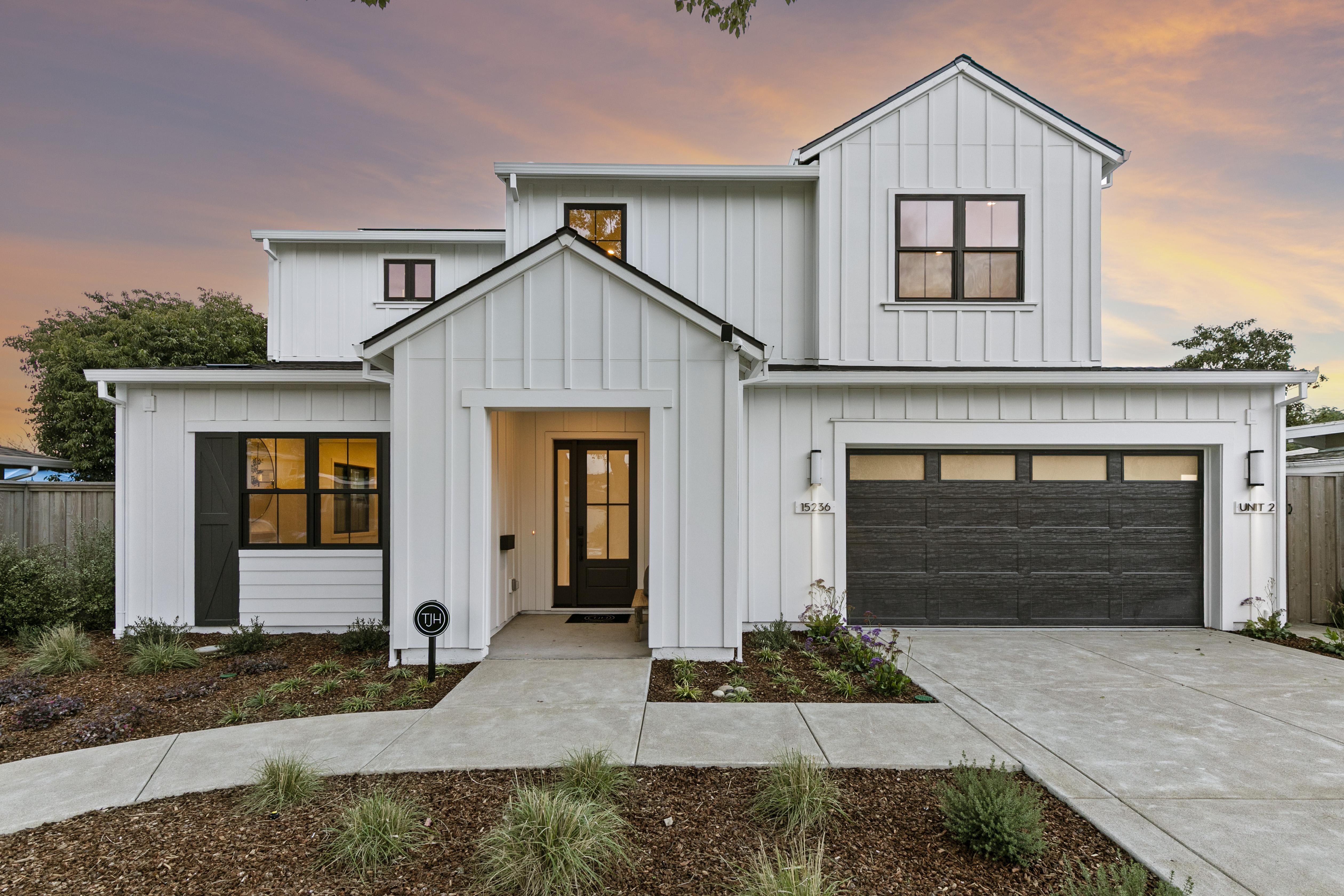
    The latest project from Thomas James Homes (TJH) delivers the rustic feel and design of a farmstyle home with a touch of desire for luxurious living. Located at 15236 Dickens Avenue in the Cambrian neighborhood of San Jose, Calif. TJH designed the home with the ultimate indoor-outdoor living experience in mind, while still promising both certainty and quality.

    “From the flexible floor plan and Accessory Dwelling Units, to the indoor-outdoor living and energy-efficient construction, every detail was designed to work as one cohesive home,” said James Mead, Chief Executive Officer of Thomas James Homes. “By integrating architecture, engineering, construction and design into a single disciplined process, we are able to deliver homes with predictable pricing and timelines that feel thoughtful, well-built and dependable from start to finish.”

    San Jose is the heart of the Sicilian Valley surrounded by a historic downtown scene of dining, boutiques and events, as well as an outdoor escape in the Los Gatos Creek Trail. This site selection allows for TJH to be aligned with their history of leveraging unfavorable lots into desirable projects.

    Behind the Builder 

    TJH has focused on building design-driven homes across Northern and Southern California for nearly ten years, adhering to its well-earned reputation as the nation’s largest single-lot builder. Founded by Tommy Beadel and James Quan in 2006 and originating in Aliso Viejo, Calif., TJH has built over a thousand homes and expanded across the entire state’s bay area, Colorado, Arizona and the Pacific Northwest.

    Their team is composed of industry veterans with vast home building experience, combining land sourcing, architecture, permitting, construction and landscaping under one roof. This assembled team allows the company to transform outdated properties in desirable locations with an all-in-one efficiency.

    Diving Deeper in Design 

    Thomas James Homes partnered with Bassenian Lagoni Architect for a detailed design with the needs of the homeowner in mind. Gouvis Engineering was brought on not only to make the home comfortable and eye-catching, but also energy efficient. Solar panels from GAF Energy were installed to ensure emission-free, renewable energy throughout the home.

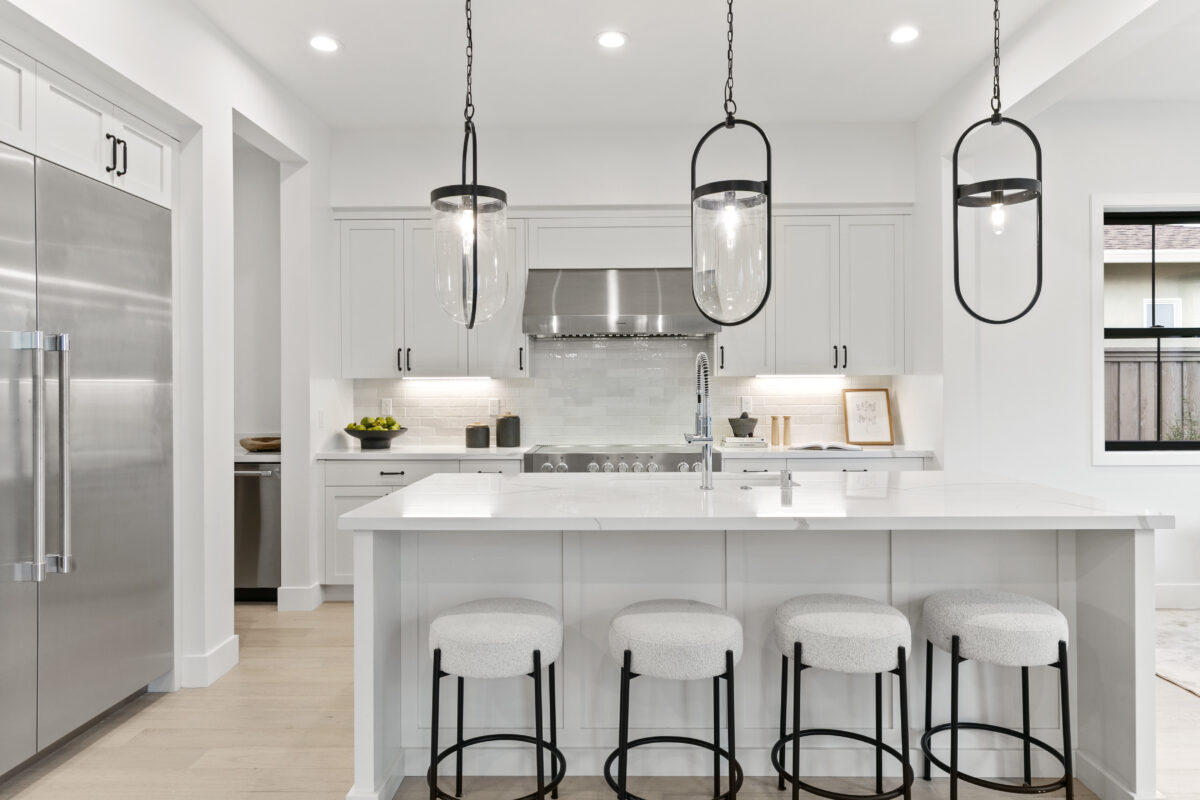
    TJI designed the gourmet kitchen as the heart of the home. This kitchen features a large island countertop from MSI Surfaces, a dining nook with both a butler’s and walk-in pantry. The bathrooms were thoughtfully planned out, including a spacious walk-in shower, a free-standing tub and modern, stainless faucets from Kohler, as well as quality cabinetry with ample storage provided by Jewel Box Cabinetry.

    The star of the show is the master bedroom with an ensuite bathroom. The luxurious grand suite has abundant natural light that emits from the large Anderson windows, a spa-like bath and a walk-in closet. Tucked into the far end of the primary suite is what TJH calls, “The Primary Retreat,” a cozy nook designed to be a quiet escape from the rest of the house. From a private study to a secluded library, this multi-use space was designed by the company to enable flexible living.

    Built for Optimization

    Thomas James Homes designed the home to account for families of different sizes or planning to expand. The total lot size is over 8,000 square feet. Over 3,000 square feet accounts for the two-story, five-bedroom and four-and-a-half-bath home. The floor plan highlights an open space concept in the great room, accented with a separate living room and dining room near the entry. The open concept is carried out throughout the home, with extra multi-use spaces spread throughout and a two-car garage. The loft is another key feature, overlooking the two-story space and adding volume to the home, with its axis and stairs aligning with the entry to create a focal point.

    The home was built to the most efficient state building code in the U.S., California’s Title 24. To adhere to the energy efficiency standards, TJH worked with HERS raters to ensure the insulation, air leakage, HVAC systems and ductwork were properly installed and compliant.

    Rather than go against the fluctuating house market, the company optimized it, determining the home’s pricing on the market rather than a fixed price. The earlier the house is bought, the less the homeowner pays, with the pricing structure allowing TJH to pass on the savings to the homeowner. The company chose this pricing strategy to make buying a home in desirable areas more affordable.

    For Thomas James Homes, their most recent project’s design reflects their top notch craftsmanship, high-quality utilization of lot space and their personalized aesthetic, which transcends time.

    Photos courtesy of Thomas James Homes

    By Taylor Moore. Taylor is an editorial assistant at Builder Media she can be reached at taylor@builder.media

    This story is featured in the February issue of Builder and Developer, read the print version here

  • Engaging Execution Quality and Operational Resilience

    Engaging Execution Quality and Operational Resilience

    Brookfield Residential celebrates its 70th year in the industry this year. They reflect that the most important history is not longevity alone, but what the years represent. Upon their decades of building, their philosophy is defined by the idea that communities are commitments that extend well beyond the initial sale. This is guided by their core principles throughout market cycles. Brookfield Residential’s steady commitment to passion, integrity and community guides their movement throughout land investment, community planning and sales. 

    “What has evolved is how that philosophy is applied in a more complex and demanding market,” said Greg Shaia, President of U.S. Housing at Brookfield Residential. “Expectations around efficiency, sustainability, transparency and customer experience have increased and our approach has evolved alongside them.” 

    A Committed and Calculated Team 

    For Brookfield Residential, maintaining quality, pace and alignment across housing, land and construction teams, formal mechanisms play an important role. Their team members stay aligned through structured reporting and cross-functional meetings even as communities move through different phases. A priority for them as well is spending time in the communities they build which helps them remain grounded in the purpose behind the work. Key decisions made over a project production are related through a strong point of reference, connecting their vision while markets shift and conditions change. Shaia reflected that by  combining structure with clear principles and real-world connection, Brookfield Residential is able to maintain consistency while allowing communities to evolve in thoughtful and intentional ways.

    Brookfield Residential’s integrated land and housing model is a distinct advantage for long term success. “This integrated approach supports stronger decision-making, greater predictability and more cohesive communities,” said Shaia. Their connectivity streamlines decision making by community vision and real-time housing performance. From the land side, community plans are developed with a clear understanding of  design, construction and livability over time. This approach informs infrastructure, amenity programming, lot configurations and phasing strategies to be influenced by demand rather than theoretical assumptions. From the housing side, their direct involvement in land planning allows for strategic execution across architectural expression and pricing. Feedback from sales performance and homeowner experience then flows back into future phases, helping refine product mix and community design as the development matures.

    Deliberate Launches

    One launch from the past year stands out to Brookfield Residential because it reflects how deliberately they approach opportunities where expectations are high and differentiation truly matters. “This community signified a return to the Orange County luxury market after nearly a decade,” said Shaia. “The approach was not about scale but precision.”

    Vista in Summit at Orchard Hills is a luxury residential neighborhood larger Orchard Hills master-planned community in Irvine, Calif. Brookfield Residential broke ground on Vista in Summit in 2024, followed by opening in 2025. Robert Hidey Architects served as the architectural partner, contributing to the overall design language of the homes. While SMP Environmental Design led the environmental and landscape design efforts, shaping the integration of outdoor spaces throughout the community. Creative Design Consultants was Vista’s interior designer, working across specifications, material selections, furniture and interior detailing. 

    The neighborhood is planned as a small, boutique enclave consisting of 73 single-family homes. Residences range from approximately 3,500 to nearly 5,000 square feet. Inside they feature high-performance insulation, effective air sealing, durable window systems and efficient mechanical design. The limited scale was intentional and allowed for a higher level of customization, architectural detail and specification.

    2026 Outlook

    Going into this milestone year, their future housing pipeline reflects the more deliberate buyer behavior. “Brookfield Residential approaches growth with a long-term perspective, prioritizing disciplined execution and market alignment ”said Shaia. Reflecting the importance of value, functionality and fit for lifestyle,their homes and communities communicate clarity of purpose and relevance more effectively. One notable shift for Brookfield Residential is the increased emphasis on wellness, comfort and healthy living. This is shaping design decisions around natural light, indoor air quality, material selections and energy conscious features. Yet instead of classifying these as upgrades, they are integrated into baseline design assumptions across markets. Another focus is on architectural character, with a stronger sense of place especially in competitive environments.  Taken together, these trends are shaping Brookfield Residential’s  pipeline that prioritizes clarity, comfort and long- term relevance. 

    Photos courtesy of Brookfield Residential

    By Sofia Feeney. She is the Editor at Builder and Developer and can be reached at sofia@builder.media

    This story is featured in the February issue of Builder and Developer, read the print version here


  • A Holistic Approach to Building

    A Holistic Approach to Building

    Over the past 20 years, True Homes has grown to be a driving force in the Carolinas’ housing market. In times where the market sways, their focus is their core purpose: to provide people the opportunity for more life. Since their founding in 2006, the evolution of True Homes balances business strategy with what is best for their community.  

    Intentional investments 

    In the past year, True Homes surpassed 2,200 annual housing starts and expanded their lot pipeline to over 19,000 lots, ensuring long-term stability in a challenging market. They also enhanced their jobsite efficiencies through expansions of the Trade Efficiency Dashboard (TED). The new initiative improves build times, quality consistency and trade partner collaboration.

    Integral to their people-first building philosophy of “the opportunity for more life,” True Homes expanded their affordable housing access. Their Doorway to Prosperity supports teachers, first responders, healthcare workers and nonprofit staff  in achieving homeownership. This effort is grounded by  The True Homes Foundation, investing in education, financial literacy, home repair, disaster recovery and affordable housing. 

    “Whether supporting essential workforce households or creating elevated lifestyle communities, our goal remains the same: to meet buyers wherever they are in their homeownership journey and provide them with the opportunity for more life,” said Scott Wentz, President of True Homes.

    The True Homes Foundation is recognized for their lasting impact and efforts and received the NAHB Gold Award for Community Outreach in 2025. 

    Empowering the future of homebuilding 

    True Homes’ commitment to cultivating the next generation of homebuilders is reflected by their investment in The Scott Wentz Scholarship and Builders Bridge. 

    The Scott Wentz Scholarship supports students pursuing careers in residential construction and land development, with a special focus on expanding opportunities, especially individuals who may not otherwise have the opportunity to enter the industry. Awarded annually, the scholarship recognizes individuals who demonstrate leadership potential, a passion for the industry, and a desire to contribute to its future. In 2024 alone, True Homes awarded $100,000 in scholarships to students attending UNC Charlotte, Appalachian State University and North Carolina A&T University. Builders Bridge complements the scholarship program by offering hands-on experiences, mentorship and real career pathways for young adults. Participants receive on-the-job training, coaching, and mentorship, giving them both the personal and professional skills needed to launch a career in construction. “Builders Bridge is transforming the next generation of homebuilders by opening doors for young people who might never have seen a path into the industry,” said Jake Kennedy, Program Director of Builders Bridge. 


    The communities they build 

    True Homes aims to meet buyers at all ends of the spectrum, in tune with their versatile, purpose and people-centered approach. One of their active projects is in the master-planned community, Edgewater in Lancaster, S.C. Their entrance began in the mid-2010s and continually delivers to market demand. The community features an 18-hole championship golf course, a lakeside clubhouse, walking trails, a pool and abundant outdoor recreation options. This attracts families, move-up buyers and downsizers. A range of lot types, from lakefront parcels to golf-course frontage,supports their tiered pricing strategies. Edgewater offers homes from approximately 1,140 to 4,633 square feet across ranch, two-story and multi-generational layouts.  One of their models, the Kensington floorplan is a stately, craftsman-inspired façade. Defined by its open-concept layout and options for flexibility, it was developed by True Homes’ in-house architectural and product development team. Interior design selections were curated by True Homes’ Design Studio consultants. Their selections include light-filled dining and gathering spaces, dedicated flex spaces and a spa-inspired bath.  The area’s topography and natural grading required careful site engineering to preserve views and maintain walkability. The community balances style with affordability and offers a strong growth trajectory. 


    High performance design 

    True Homes prioritizes construction methods that enhance comfort, performance and long-term efficiency. Their homes in Edgewater are HERS-rated. Inside the home, high-performance insulation and advanced air sealing are utilized for a better building envelope. MI Low-E, double-pane windows are installed for energy savings and UV protection. Along with an energy-efficient HVAC system and water-saving plumbing fixtures there is LED lighting throughout the home. Additionally, True Homes uses durable, low-maintenance building materials that reduce waste and long-term environmental impact. 

    At the heart of the True Homes mission is to provide a holistic approach to building. This is accomplished through their prioritization of philanthropy, attainable living and energy efficiency. 

    By Sofia Feeney. Sofia is the Editor at Builder and Developer and she can be reached at sofia@builder.media

    This feature also appears in the January issue of Builder and Developer, read the print version here

  • Where Sustainable Luxury Meets California Cool

    Where Sustainable Luxury Meets California Cool

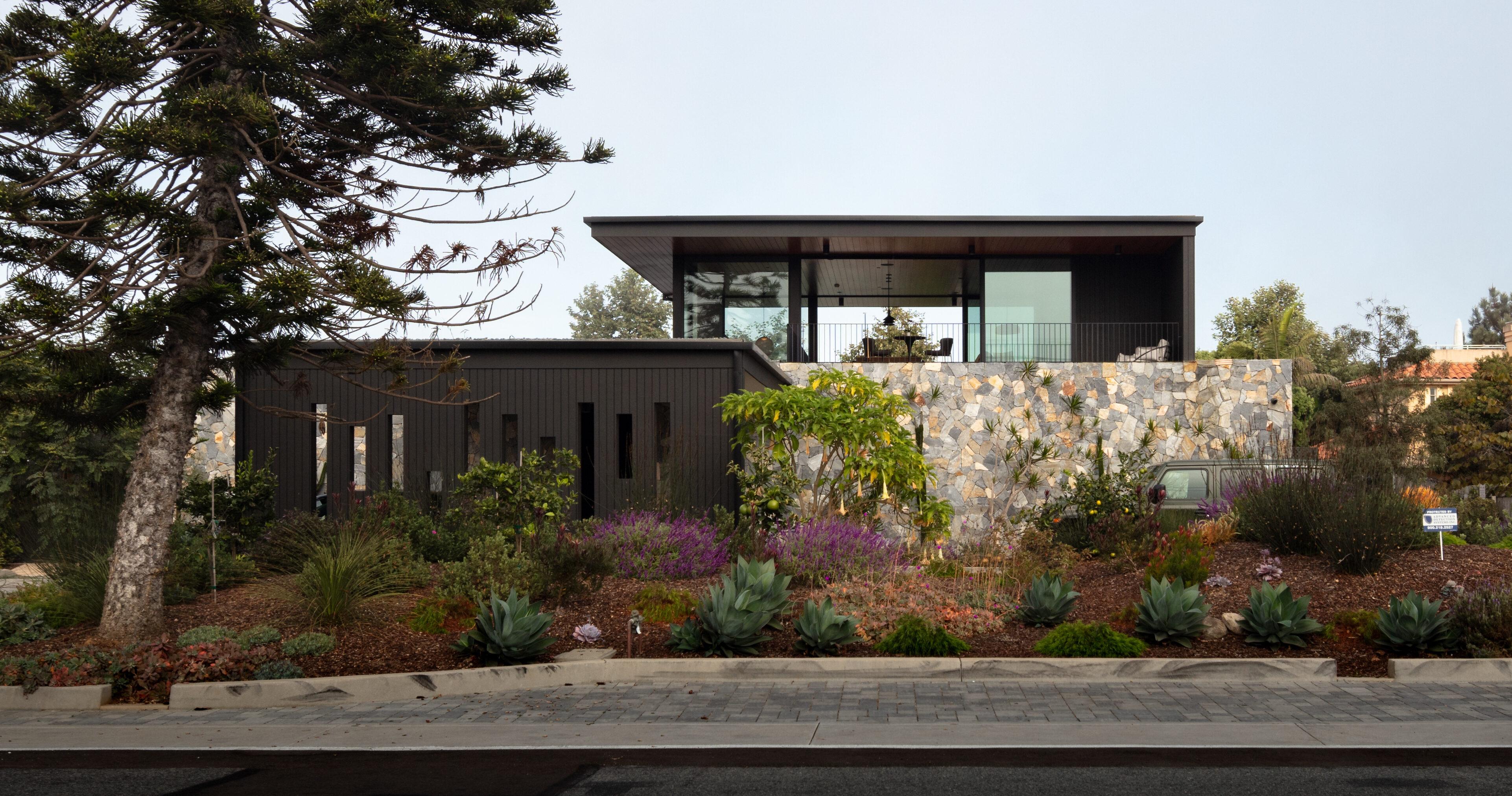
    The Cardiff House is located in the beach community of Cardiff-by-the-Sea, Calif., a coastal gem nestled between Solana Beach and Encinitas in northern San Diego County. Soheil Nakhshab, the owner of the property, has a passion for surfing and the outdoors, so naturally, the neighborhood was a perfect fit. His chosen parcel is a perfectly flat plot of land that allowed him to create the perfect indoor-outdoor living spaces he envisioned, a back courtyard jewel perfect for entertaining, exercising and unwinding.

    About the Builder

    For Nakhshab, family is everything. Together with his younger brother and father, the trio have helped countless families build their dream homes since founding Nakhshab Development & Design in 2003. The award-winning firm strives not only to design and build better homes but to curate better lifestyles, drawing on more than 50 years of experience across architecture, development, engineering, construction and design, with roots reaching back to Iran.

    Their building philosophy revolves around what they describe as the “master-builder” tradition, unifying architecture, engineering, construction and interior design under one accountable source to create cohesive, efficient and human-centered environments. Nakhshab emphasizes harvesting the energy of a site and the client’s needs to shape homes that are beautiful, welcoming, sustainable and unique. They prioritize craftsmanship, collaboration and sustainability, integrating natural light, site characteristics and thoughtful design strategies to enrich everyday living experiences.

    The Importance of Place

    The neighborhood itself has transformed over the years from coastal farmland and beach cottages into an area of highly desirable, multimillion-dollar homes, with prices shaped by proximity to the coast, privacy, views and modern architectural features.

    Outdoor zones include a pool courtyard, covered living space and a crescent moon-shaped raised planter that separates the pool from the rear yard. This moon shape is also the designer’s logo signature. NDD’s signature feature for nearly 20 years has been custom concrete fireplaces wrapped in steel and set on lava rock sand. The steel enhances heat radiation from the gas flame, while the sand softens the sound of the gas, creating both a visual and functional centerpiece.

    The Cardiff House accommodates the needs of everyday life, including designated work-from-home spaces, and entertainment spaces. The community evokes Southern California with easy access to trails, the beach and a quaint community center; an adjacent public park adds to the family-friendly vibe.

    Building Sustainably

    NDD has become synonymous with sustainable design. More than 90% of their properties achieve LEED certification status. Other specialties include reviving historical properties, navigating tricky urban infill sites and conquering steep parcels while designing to enhance everyday living.

    As part of their sustainable building practice, they incorporate native flora, partnering with landscape contractor Chip Lievers of LLM Landscaping, who executed the landscape installation.

    In addition to solar panels, the house is equipped with three 4,000-gallon rainwater harvesting tanks connected directly to the site irrigation system. Less water is needed to maintain the landscaping, and the ecosystem is largely self-sustaining. The rainwater tanks support fruit trees, plants and raised garden beds filled with fresh vegetables.

    The sustainable qualities of the home are evident in the building materials: natural wood, stone, steel and glass. Local craftsmen fabricated finishes, supporting the local economy and maintaining a sustainable footprint.

    Designing on a flat lot presents a unique challenge, as the lack of topographical influence gives the architect total freedom. With neighboring homes to the north and south, privacy became a priority, prompting a U-shaped footprint that encloses an interior courtyard.

    Despite the challenges, the Cardiff House was a collaborative effort. Architect and developer Soheil Nakhshab led the vision, integrating architecture, landscape and engineering to respond thoughtfully to the site.

    Soheil Nakhshab worked alongside LLM Landscaping to craft a serene environment. Metal fabricator Jason Spakes executed custom steel work, while interior designer Sheiva Brunst guided interior selections to create a curated yet personal home. Custom cabinetry by Ivan Ramos completed the architectural language, resulting in a cohesive living experience by the sea.

    Photo credit: Darren Bradley

    This feature also appears in the January issue of Builder and Developer, read the print version here


  • The Key Largo continues a family legacy

    The Key Largo continues a family legacy

    Along the coast of the Gulf of Mexico, Lifestyle Homes is building a new neighborhood in Aripeka. The community is designed to celebrate and preserve the area’s native landscape while delivering on the best aspects of modern home design. The builders celebrate the efforts and collaboration of their in-house team to create the model home, The Key Largo. 

    A Family Affair 

    Lifestyle Homes was founded in 1984, by two former school teachers John Luhn and Larry Hufford. Their first project, Challenger, a 1,360 square-foot model home in Palm Bay, Florida was said at the time to be too large for the market. Despite these odds, LifeStyle Homes recently celebrated 40 years of building. In early 2011, they were featured on ABC’s “EXTREME MAKEOVER: Home Edition.” Now, Lifestyle Homes is run and owned by the founders’ children, Jordan Luhn, the CEO and Karen Kicinski, the Marketing Director. 


    In-House Collaboration 

    The model home for Key Largo at Aripeka was completed September 2024. “It is the result of in-house collaboration between the design, drafting and construction teams, ” said Karen Kicinski, Marketing Director of Lifestyle Homes. “From concept to completion, every detail was thoughtfully crafted through close teamwork to bring this modern home to life.” Even the interiors were curated by their in-house interior design team allowing for all finish selections, materials, furnishings and soft goods to ensure a cohesive executed final product. An in-house design team allows for consistent communication and the maximization  of personalizable options for clients. At Aripeka, eight customizable home plans are available with up to five-bedrooms and four-bathrooms. The model home, The Key Largo contains four-bedrooms, with a study/ bonus room, four-bathrooms and a three-car-garage over 5,358 square ft. 

    Balancing Resilience with Efficiency  

    Florida is a hurricane-prone area, the homes in Aripeka are equipped to stay strong throughout storms. They are built on stemwalls when necessary and have impact-rated PGT windows and sliding-glass doors, as well as superior roofing systems. The build does not sacrifice quality nor efficient energy or air quality aspects. A tankless Rinnai hot water heater, high-performance Goodman Daiken HVAC and pressure-tested certified-tight air ducts contribute to the energy efficiency. The integration of deluxe EnergyStar®-certified Dacor appliances and high-ambiance LED lighting contributes to efficiency as well. The home is RESNET-tested and certified to achieve a HERS Index score lower than 60. 

    The interior wall insulations are Double-furred, R-7.1, featuring R-24 open-cell spray foam, ZIP System Exterior Sheathing with leak and pest control in mind when sealing of all wall and ceiling penetrations. A smart home automation system features a Wi-Fi-enabled thermostat. Especially important in the Florida climate, humidity-sensing fans are present in all bathrooms and laundry rooms.


    A Modern Marvel 

    The build team described the greatest challenge in designing this home was achieving a modern, grand aesthetic while honoring the community’s strict guidelines to preserve the home site’s natural landscape and vegetation as much as possible. Despite this, the home immediately exudes clean and contemporary craftsmanship. Looking at the entrance, the siding plays off the protected live oaks, palms and pines on each homesite. The clean lines extend to the stylish three-lite pivot front door with clear impact glass by Handcrafted Iron Doors. 

    In the living area, a three-sided fireplace by Napoleon Clearion Elite features see-through glass. While a beautiful feature, it is also designed to act as a room divider between the living and dining rooms. The surround is finished with a three-sided waterfall of Cambria Quartz Luxury Berkshire Brass. 

    In the kitchen, the pop of color island is topped with Cambria quartz in Luxury Ivybridge. The hidden pantry is fitted with custom cabinetry by Bad Wood stained in the color woodsmoke with Cambria Quartz Luxury Berkshire Brass countertop. The rear lanai features a pool, summer kitchen and turf putting green. 

    The Key Largo is a testament to achievements of a family owned builder and in-house team. Building modern, without disturbing nature. 

    This feature appears in our October issue 

    Read More 

  • A storied history of building better

    A storied history of building better

    In 1976, David Weekley, a 23-year-old new graduate of economics and geology from San Antonio’s Trinity University, decided to start his own homebuilding company. He united with his older brother, Dick to establish David Weekley Homes in Houston, Texas. In their early years, David worked as a salesperson, purchasing manager and builder.  

    His dedication to advancing the homebuilding industry overcame trepidatious events like the 1985 Houston oil bust. Moments like these define a builder and David Weekley challenged the odds. Backed by a community oriented team, David Weekley began a partnership with The Department of Energy’s Building America. Decades before “green” even punctured the mainstream, the company evaluated the costs and benefits of building high-performance homes. Their case study opened the landscape for contemporary practices of green building. 

    David Weekley Homes was the first home builder in the United States to be awarded the Triple Crown of American Home Building, an honor which includes “America’s Best Builder,” “National Housing Quality Award” and “National Builder of the Year.” 

    Building Across the Nation

    David Weekley builds in 19 markets and 12 states across the United States. These include Texas, Arizona, Colorado, Oregon, Washington, Indiana, Minnesota, Tennessee, Georgia, North and South Carolina and Florida. The philosophy of David Weekley extends quality and achievable projects that reach all sectors of the market. Three of their recent projects exemplify this mission. The flair of their in-house Design Team tailors each project to their respective geographic demographics. 

    Mustang Lakes in Celena, Texas, is close to their roots. The community strives for maximum design customization with nine floor plans with both one-and two-story plans. Situated on 50-foot homesites the homes range from 2,295 to 3,481 sq. ft. At Mustang Lakes high vaulted ceilings supported by detailed roof pitches range from cedar stone and brick options.

    In Queen Creek, Ariz, Legado West the nine floor plans offer square footage ranging from 3,250 to 4,581. At Legado West the cathedral attic with open cell foam insulation, 2×6 construction and blown in cellulose contributes to its energy-efficiency. 

    Hidden Ponds Reserve in Awendaw, S.C., features french doors, a covered porch and options for boat storage. The floor plans include both one- and two-story options with up to five-bedrooms, four-and-a-half-baths and up to a three-car-garage. The square footage spans from 2,487 to 3,885. The homes have an average Home Energy Rating System score of 55, making them nearly 50% more energy efficient than a home built in 2006.

    Best Building Practices 

    All David Weekley homes constructed above code requirements, but they also adhere to advanced building science standards and principles. This is to understand the physical behavior of the building as a system and how energy efficiency, durability, comfort and indoor air quality are affected.

    They utilize Advanced Framing techniques and build walls 50% wider than standard framing. This allows for more insulation, eliminating hot spots, which in turn reduces energy usage. David Weekley incorporates formaldehyde-free insulation and fresh air ventilation systems with Johns Manville. Johns Manville, leading manufacturer for building insulation, is a National Preferred Partners of David Weekley Homes. Advanced framing also reduces the use of individual pieces of lumber, making their construction more resource efficient and green. Energy-efficient windows, garage doors and appliances are the standard in every project.40 years after David’s leap of faith, David Weekley homes is one of the largest privately held home builders in America. This distinction is an accumulation of decades of advancement in building practices and energy efficiency.

    This story appears in the November issue of Builder and Developer, read the print version.

  • The Chamonix brings Scandinavian style to Eagle Mountain

    The Chamonix brings Scandinavian style to Eagle Mountain

    With a blend of Scandinavian and modern farmhouse aesthetics, The Chamonix by Candlelight Homes is located in one of Utah’s fastest-growing cities, Eagle Mountain. The development of Firefly at Eagle Mountain Community began in 2020, and now over 8,000 homes are planned over the next two decades. Candlelight Homes is already actively selling curated homes that are available for purchase and move-in. By partnering with DTJ DESIGN, The Chamonix’s vision was brought to life. DTJ DESIGN’s approach has been rooted in collaboration by viewing each client as a creative partner. With that philosophy, it has allowed them to craft remarkable spaces, from residential and resort environments, to themed attractions and public places. “We start with the land plan, creating communities that add value through site-sensitive design, meaningful open spaces and amenity-rich environments” said Rachel MaGee, Designer at DTJ DESIGN. “The architecture then enhances, not just occupies, the experience of a place.”

    Location Preferences 

    The site contains 2,700 acres of buildable land, and its access to natural recreation areas like Five Mile Pass. This location supports Firefly’s vision of an Active Family Community®, where families can connect with nature and each other. Candlelight Homes values the importance of creating a place where kids play outside instead of online, making it ideal for parents seeking a lifestyle that encourages real-world connection and adventure.

    Behind The Design 

    Making sure the homes were designed in an aesthetic yet emotionally resonant way that feels both familiar and fresh was important for the team. The design avoids the coldness often associated with modern architecture by introducing warm wood tones, natural materials and human-scaled elements that make the home feel inviting and emotionally resonant.The Firefly team was united by a guiding principle: to create homes and a community that prioritize human connection, outdoor living and emotional well-being. This alignment happened across planning, architecture, interiors and construction, which is what makes Firefly standout.

    “Every home we’ve sold to date, the number one motivating factor for every one of those home buyers has been living at firefly has been the first and foremost, and then selecting the right home that fits their lives at this moment,” said David Vitek, President of Candlelight Homes. The Unique Aspects 

    Firefly homes are built with smart design principles and high-performance materials, like energy-saving appliances, efficient HVAC systems and smart home technology that allows residents to monitor and reduce energy usage.Their interiors are designed to maximize natural light and connection to the outdoors. Because the garage is tucked in the back, the design highlights a private courtyard as the central feature of the home. The homes also feature garage doors by Wayne Dalton, doors by Masonite and HVAC by Carrier. All of the main gathering areas, kitchen, living and dining, open directly to the courtyard, offering a fluid connection between indoor and outdoor spaces. Even in the kitchen, windows are incorporated within the cabinetry to preserve views of nature on every wall. Featured products include Aristokraft cabinets, Quartz countertops and AMSCO windows.From a construction perspective, the homes were designed to be easily replicated and built by local trade partners while still achieving a custom-like aesthetic. Vertical siding and other material choices were selected both for their visual appeal and their practicality, balancing design with cost-efficiency to stay within budget.

    Recognition 

    DTJ designed four plans, each with two elevations and sizes ranging from 3,150 to 4,145 square feet. Their prices start in the mid-$500,000s for the DTJ designed homes, they are determined by home size, plan, lot location and views, as well as architectural style and finishes.With these unique qualities in mind, The Chamonix was named “Home of the Year” at the 2025 Gold Nugget Awards, hosted by the Pacific Coast Builders Conference (PCBC). This is a prestigious honor and is widely regarded as one of the highest accolades in the homebuilding industry. It recognizes excellence in architectural design, planning and innovation. This award is a direct translation of home’s commitment to solving real-world challenges, enhancing livability and setting new standards for thoughtful design.

    Read More 

  • Oceanfront Retreat in South Bethany Beach

    Oceanfront Retreat in South Bethany Beach

    On a once-in-a-lifetime lot located on an oceanfront corner in South Bethany Beach sat a neglected and decaying cottage. Marnie Custom Homes gave the property a new life. Translating to “pure life” in Spanish, Pura Vida is an oasis to encourage a simpler lifestyle of ease and comfort. 

    Marnie’s Magic

    Based in Bethany Beach, DE, Marnie Custom Homes was established in 2007. She specializes in building custom beach homes using sustainable and locally sourced materials. The design-build firm’s founder and president, Marnie Oursler, is the first female to have received the National Association of Home Builders’ Custom Home Builder of the Year Award. Totaling 150 custom homes built to date, Marnie Custom Homes builds an average of 12 custom homes per year. The Pura Vida being one of the 37 oceanfront projects the team has built. The design build firm caters to a high-earning market of homeowners looking to invest in the mid-Atlantic region. The design motivation behind the Pura Vida was to make a house that was beautiful, yet functional for a family with five kids and five dogs.

    Sustainable New Beginnings

    Development of the project spanned 2024. The demolition of the original house started in January and by December the fully-furnished custom home was complete. Practicing sustainable deconstruction is important to Marnie Custom Homes. For this project they partnered with the nonprofit organization Second Chance to carefully dismantle the run-down cottage. This process ensured valuable materials were salvaged and donated to affordable housing and other community projects for reuse. 

    Maximizing the Landscape 

    Marnie Custom Homes revitalized the property with the intention of creating the dream beach home that emphasises indoor and outdoor living. “Our primary design goal was to let the views lead the way,” said Celeste Henry, Marketing Director of Marnie Custom Homes. “It’s the kind of layout that invites the outside in and creates a seamless connection between the beach, ocean and sky.” Plans made by Aga Sokolow of Sokolow Architects helped accomplish a layout that takes full advantage of coastal living with 3,731 square feet of beachside luxury.

    Tailored Design 

    The home features six bedrooms, each with their own ensuite bathroom. Every square foot was creatively put to work. Space saving innovations like bunk bed stairs doubling as storage drawers, built-in dressers and hidden cabinetry opened up the home. The pool, ocean and sky are part of the daily backdrop with the utilization of wraparound walls of windows with floor-to-ceiling sliding glass doors.

    A quality custom home builder knows their clients lifestyle and implements elements to ease daily living. Pura Vida exhibits outdoor showers, a pizza oven, and dual screened-in porches with sky lights and ceiling heaters. Even one off the primary suite affectionately called “The Sleeping Porch.”Keeping in mind the five furry friends, the home includes built-in dog crates and a dog wash station. Shades of blue are a frequent motif across the interior including tasteful tile across the bathrooms reminiscent of the sky and ocean outside.

    Safe without Sacrifice 

    Marnie Custom Homes’ expertise in working with oceanfront properties equips them with the knowledge to navigate the complex guidelines when attempting a project like the Pura Vida. Constructing this home required overcoming requirements set by the Federal Emergency Management Agency and the Department of Natural Resources and Environmental Control, in addition to local town regulations.Utilizing steel framing to reinforce stability, the home was designed with weather-resistant materials with the capability of withstanding Category 3 hurricanes and 130 mph winds. Hurricane-rated windows and doors further complement the weatherized design, as well as tie-down systems that connect each floor with metal straps to maintain the integrity of the structure during extreme storms. The flood-resilient design is enhanced for proper drainage by elevated pilings and pressure-treated materials with permeable surfaces.

    A weatherized design does not have to sacrifice energy-efficiency. The home’s craftsmanship includes NuCedar siding made from at least 20% pre-consumer recycled materials with no VOCs. Alongside Marvin modern windows built from recyclable aluminum that reduce heat transfer. Multiple zoned HVAC systems with Energy Star appliances allow optimal comfort while reducing energy consumption. The home represents the brilliant design sense that is necessary to find the perfect harmony between the homeowner’s wishes for a custom home and the builder’s vision for how to see it through. Personal and livable luxury is the standard when building with Marnie Custom Homes, and Pura Vida exceeds all expectations.

    Read More 

  • An Award-Winning Desert Sanctuary

    An Award-Winning Desert Sanctuary

    Camelot Homes showcases exemplary indoor-outdoor luxury living at The Collection

    Nestled in the heart of Scottsdale, The Collection offers the best of modern desert living minutes away from world-class golf resorts, fine dining and luxury shopping centers. Merging the worlds of nearby Old Town Scottsdale’s urban charm with the natural beauty of the surrounding Sonora Desert, The Collection marks another private, gated enclave from Camelot Homes that promises both upscale exclusivity and convenient proximity in one of Arizona’s most highly sought-after neighborhoods. 

    Development for The Collection began in 2021, and the completion of its refined model home, The Gallery, brought with it eight semi-custom homes all representing the Camelot standard of lavish architecture and exceptional livability. Having made its debut in February of this year, The Gallery is a masterclass in modern architecture and intricate interior design. 

    The entrance maximizes open space with vaulted white oak ceilings, seamlessly creating an effect of connectedness between interior of the home and the nature beyond thanks to the expansive steel-and-glass openings complemented by large sliding glass windows. The dynamic setting’s illusion of being in an open air environment while still inside is an intentional result carefully executed through well-planned LED lighting fixtures that aid the natural light from outside. 

    “Design in the desert is all about the dialogue between space and setting,” says Trent Hancock, Managing Partner of Camelot Homes. “It’s about creating homes that celebrate the natural environment while offering shelter, serenity and style.” As experienced desert homebuilders, Hancock and his team at Camelot keep the geography of their developments under constant consideration throughout the building process, observations made evident by the natural presence of abundant flora surrounding the lots at The Collection. 

    The Gallery harmoniously blends desert living with modern luxury in a way that redefines indoor-outdoor living. Representing the culmination of Camelot’s design evolution, the home is defined by its elegant architecture, meticulously curated interiors and sophisticated detailing. Partnering with Pacific Dimensions on the interior design, Camelot equips kitchens in The Gallery with a stunning Calacatta Macchi Vecchia marble island, custom thin shaker cabinetry and tailored furnishings.


    Refusing to compromise on functionality or privacy while developing on an infill site, The Gallery represents Camelot’s commitment to quality over quantity by focusing on the flow between rooms and how they connect through thoughtful space planning and superior craftsmanship under the design direction of Bob White, a California architect renowned for his range of understanding contemporary coastal as well as desert styles. By blending the talents of Bob White’s versatility, the modern sensibility Pacific Dimensions brings with their interior design expertise, and Camelot’s architectural storytelling in every square foot, The Gallery epitomizes luxury desert living with its timeless elegance.

    As a statement of Camelot’s legacy and future after more than five decades of greater Phoenix Valley, The Collection was made for the design-forward buyer with an eye of aesthetics and modern functionality. The two floor plans crafted for The Collection range between 4,000 and 5,000 square feet of liveable space with options for bonus rooms and gorgeous guest casitas. With several options for those ready for a desert escape as a second home or large estate owners looking to downsize somewhere comfortable, homes at The Collection start in the low $4 millions and can go over $5 million depending on lot premiums and personalized customizations to the buyer’s preferences.

    Perhaps the most enchanting achievement of The Gallery is its energy efficiency and environmentally-conscious features while still celebrating the entertaining appeal of indoor-outdoor living. With ENERGY STAR appliances, recirculating hot water and spray foam insulation, each home is designed to save energy with the hot climate in mind.

    “The most sustainable thing we can do is build homes that endure,” says Hancock. “Homes that are so well designed, so thoughtfully crafted, they never need to be replaced.” As proof that sustainability-oriented design does not have to compromise beautiful design choice, smart home automation features such as tankless water heaters and in-garage EV chargers contribute to eco-friendly functionality without hindering the aesthetic appeal of the home.

    Optimizing energy use through the utilization of high-efficiency HVAC systems and low-E windows, The Gallery’s high performance due to its sustainable materials chosen for their durable longevity and reduced environmental impact make it a testament to architectural excellence and effortless living. Deftly planned with the intent to make the most of its space for a long time, the home’s green factor is visible from both inside and out.

    Exits outside available from the bedrooms and bathrooms further emphasize the pinnacle of indoor-living at The Gallery. The exterior architecture does not stop at the walls, as the eye-catching central courtyard and resort-style pool in the backyard combine outdoor beauty with captivating features such as a fully equipped ramada. With hiking trails and accessible amenities close by, residents can make the most of warm Arizona evenings and return to relax on enviable patios under the luminescent stars. 

    The smooth transition between in and out is further concealed by the overhang and the large high-volume, low-speed fans stabilizing temperatures for greater comfort shuffling in and out of the house. The tile work pairs flawlessly with the engineered wood flooring, and the natural stone courtyard captures the essence of a serene garden all within the comfort of the home. 

    This rare mixture of privacy and convenience in the middle of a booming neighborhood in affluent Scottsdale reflects the philosophy of Camelot Homes as a third-generation family-owned builder, designing with intention and integrity to elevate the homebuilding experience in Arizona. Winning three MAME awards and two Gold Nugget awards in 2025, The Collection is a declaration that a home is not simply shelter, but a commitment to a higher standard of living. Each precise detail and every impeccably-curated art piece makes The Gallery the quintessential contemporary desert sanctuary.

    By Emmanuel Jimenez

    Read More 

  • Cielo II Exemplifies Desert Elegance

    Cielo II Exemplifies Desert Elegance

    Where Walt Disney once called his Coachella Valley home retreat, Davidson Communities is taking part in creating a livable paradise in the first-ever Storyliving by Disney community, Cotino in Rancho Mirage. The Cielo II at Cotino is a home design targeted toward empty nesters and vacation home seekers aspiring to experience elevated living in the heart of the Coachella Valley.

    Development for the Cotino community by master planner DMB Development started in early 2022, with its first homes available to homeowners in 2025, marking the start of a new era in the greater Palm Springs area. The budding community is surrounded by natural desert beauty, yet it is stylishly developing into one of the most coveted areas in the region with plans for a village center near the bay and several parks accessible to residents.

    As one of the major homebuilders participating in the inaugural residential project by Disney, Davidson Communities offers three exterior collections for its 3,540-square-foot Cielo II model home, which won the 2025 Gold Nugget Grand Award for the Best Single-Family Detached Home between 3,500 and 4,000 square feet. 

    “Construction is a big part of the business, of course, but romance is born in the details…” states Davidson Communities President Bill Davidson. It is this attention to detail from his architecture background that has made Davidson not just one of the most successful private homebuilders in Southern California but also regarded highly enough to build a mission of sprinkling paradise in every square inch of each Cielo II home.

    Offering five bedrooms, each with an ensuite bathroom, Cielo II has plenty of space for the home’s interior details to shine. Dawn Davidson’s interior design work leaves nothing to be desired in the Cielo II model home, as the prominent wood-lined interior reflects a classy fusion of timeless tradition and upscale modern living. The Venetian stone countertops and laminate slab-style cabinetry integrate an earthy feel of serene luxury. The extravagant primary bathroom achieves tranquil comfort with gorgeous views outside while still maintaining privacy, thanks to a partnership with the forward-thinking Woodley Architecture Group.

    Fulfilling the Disney vision, Cielo II breaks the mold with an elegantly charming balance of rustic stone and smooth white walls, blurring the lines between indoor and outdoor living. The open connectedness maximizes natural light with large windows and access outside from semi-open corridors connecting to bedrooms. Multi-sliding glass doors from the primary suite and flex space further contribute to the seamlessness of the indoor-outdoor lifestyle delivered by Cielo II. 

    The expansive great room with major visibility of the kitchen and dining room builds upon traditional living areas by producing a novel openness for the perfect social setting. The gas fireplace serves as a centerpiece of the open-concept interior made possible by elevated ceiling heights. Lavish LED lighting fixtures that harmoniously blend with thoughtfully planned outdoor lighting for enjoyable afternoons and evenings, allowing the entertainment to flow inside and out even after dark. 

    Heat in the Coachella Valley is not a problem for the home. The dual-glazed windows with low-E glass keep rooms cooler in addition to dual-zoned air conditioning. Energy-saving spray foam roof insulation and fully insulated garage doors help stabilize temperatures inside the home without burning energy.

    Cielo II’s fire-resistant Class A-rated roof system is both architecturally aesthetic and functional thanks to Heitec Consulting’s lead design by Joel Erwin. Natural stone and wood materials support the infrastructure of the project while adding sophisticated appeal. 

    Landscape design by Graham Balong of Teserra Outdoors fits in perfectly with the surrounding area, incorporating a local lens and in-depth knowledge of the Coachella Valley. The landscaping rejects formulaic design and instead embraces a region-first approach that creates an intimate courtyard offering both scenic beauty and a sense of guarded seclusion. Equipped with a craftsman pool and smokeless fire pit, it makes the most of the warm summer nights under the starry desert sky that the area is known for.

    The private guest suite on the second floor, made accessible by outdoor stairs, is nothing less than a sanctuary with two bedrooms, each with its own bathroom and closet, with an exit to a covered balcony commanding a breathtaking vantage point.

    Alongside the Cielo II model home and other home designs to be developed throughout the Rancho Mirage community, Davidson Communities also worked on building Cotino’s Parr House, a Pixar-inspired amenity exclusively for residents in the Artisan Club to enjoy access to with unparalleled views of the community’s lagoon. 

    As community development continues, Davidson Communities upholds their reputation as a top Southern California builder with their stake in the Cotino community, proving why the firm is known for its rich architectural storytelling. The Cielo II serves as just one exemplary highlight among the builder’s presence taking form throughout the Coachella Valley.

    By Emmanuel Jimenez. He can be reached at emmanuel@builder.media.

    This feature appears in our September issue of Builder and Developer 

    Read More


Sorry, but nothing was found. Please try a search with different keywords.