

america at home study

  • Phius awards spotlight the next generation of passive homes

    Phius awards spotlight the next generation of passive homes

    The 2026 Phius Passive Projects Design Competition is highlighting advancements in high-performance residential construction, recognizing projects that demonstrate energy efficiency, sustainability and climate resilience. This year’s honorees include the New Hope Passive House in Pennsylvania, a source-zero energy home in Michigan and a residence designed for a wildfire-prone region in Santa Rosa, California. The projects illustrate how passive building principles can be applied across different climates and housing types while maintaining architectural quality and functionality.

    The recognized projects showcase the growing integration of high-performance building envelopes, electrification, efficient mechanical systems and resilient design strategies. By prioritizing airtight construction, advanced insulation and reduced energy demand, passive building approaches can improve indoor comfort, reduce operating costs and strengthen a home’s ability to withstand environmental challenges. The competition also demonstrates how energy-efficient construction techniques can complement contemporary residential architecture without compromising design flexibility or aesthetics.

    For homebuilders, architects and construction professionals, the award-winning projects offer examples of building strategies that could influence future residential development. As energy performance requirements, climate considerations and homeowner expectations continue to evolve, the technologies and construction methods demonstrated by these projects may become increasingly relevant to mainstream homebuilding. The competition underscores the potential for passive design principles to support more efficient, durable and resilient housing across the residential construction industry.
    Read Full Article

  • NKBA sees wellness and resilience reshaping kitchen design
    ,

    NKBA sees wellness and resilience reshaping kitchen design

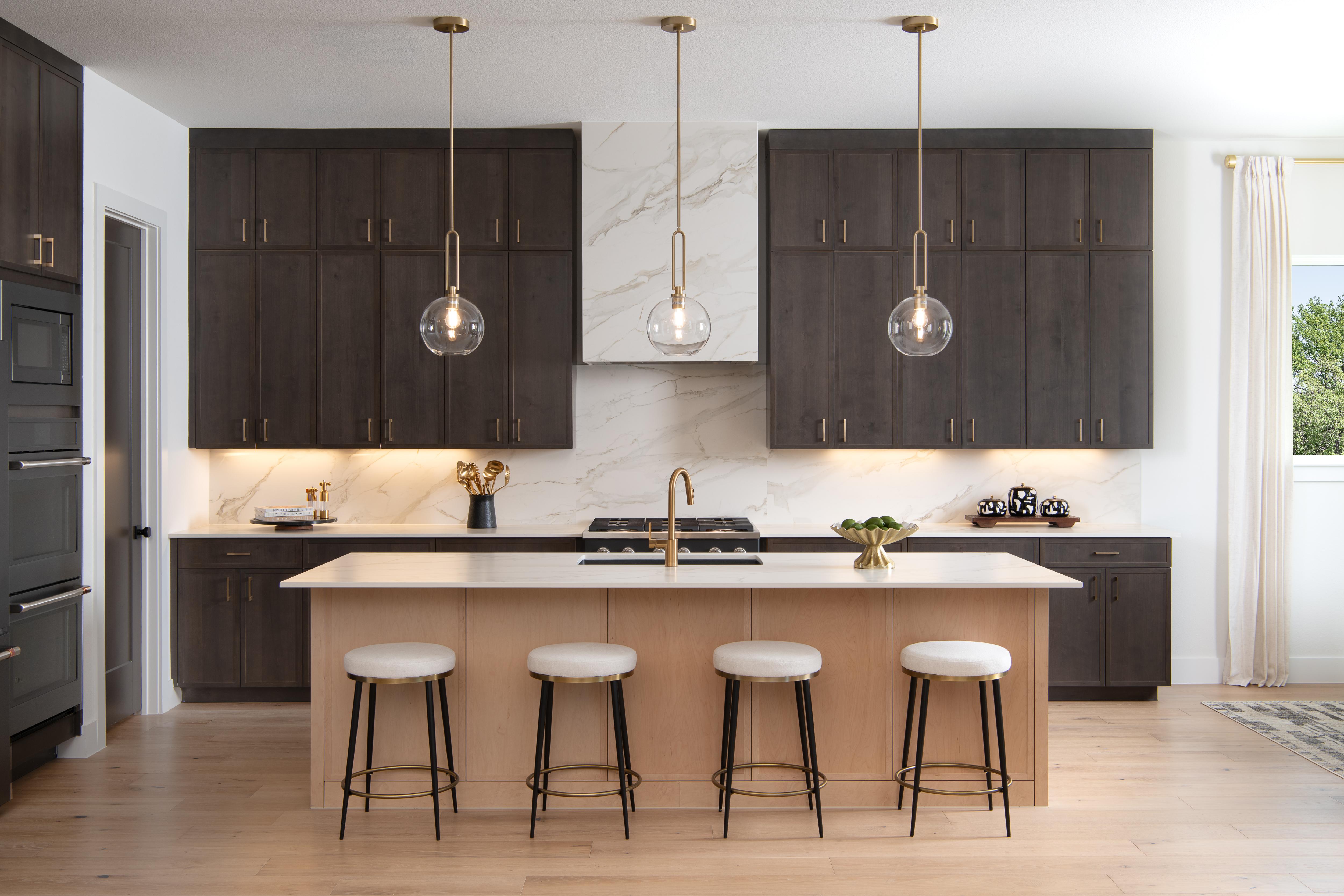
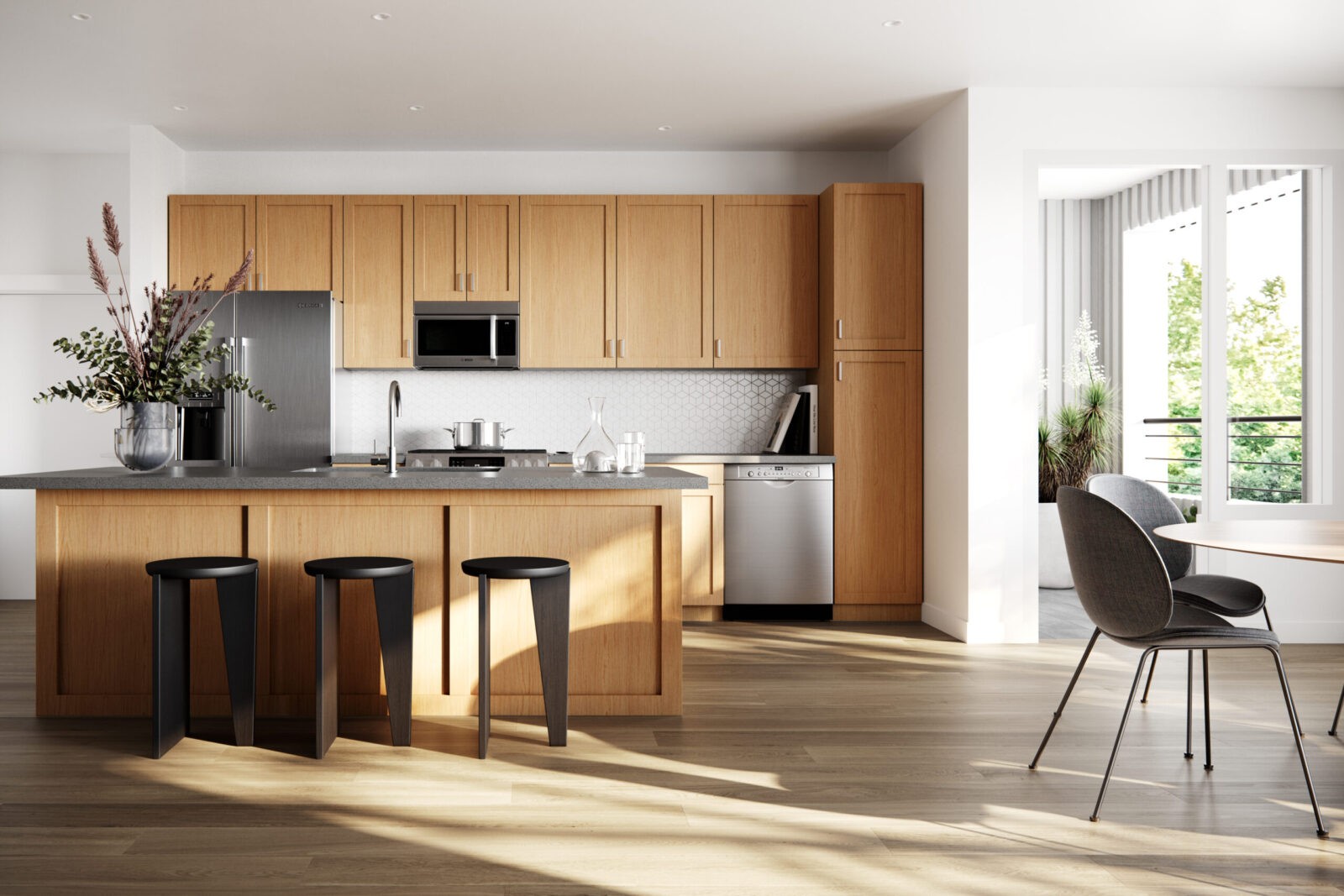
    Wellness, sustainability and resilience are emerging as key priorities in residential kitchen design, according to the National Kitchen & Bath Association’s (NKBA) 2027 Kitchen Trends Report. The findings point to growing interest in features that support healthier indoor environments, improved safety and greater household efficiency. Ventilation systems, water filtration, leak detection, automatic shutoff valves, backup power and air filtration are increasingly influencing kitchen planning alongside traditional considerations such as cabinetry, appliances and finishes.

    The report reflects a broader shift in homeowner expectations, with kitchens evolving beyond spaces for cooking and entertaining into environments that support everyday wellness and long-term functionality. As consumers place greater emphasis on indoor air quality, water quality and home resilience, builders and designers have opportunities to incorporate these features into new construction and renovation projects. Integrated technologies and thoughtful design solutions are also helping connect kitchen performance with overall home comfort and efficiency.

    For the residential construction industry, these trends highlight the growing importance of balancing aesthetics with practical performance. As kitchen design continues to evolve, builders, architects and product manufacturers are increasingly challenged to deliver spaces that meet changing lifestyle preferences while supporting durability, safety and long-term value. The findings suggest that wellness-focused features and resilient building solutions will play an increasingly important role in shaping kitchen specifications and residential design decisions in the years ahead.

    Read Full Article

  • Toll Brothers opens new luxury model in Alpharetta

    Toll Brothers opens new luxury model in Alpharetta

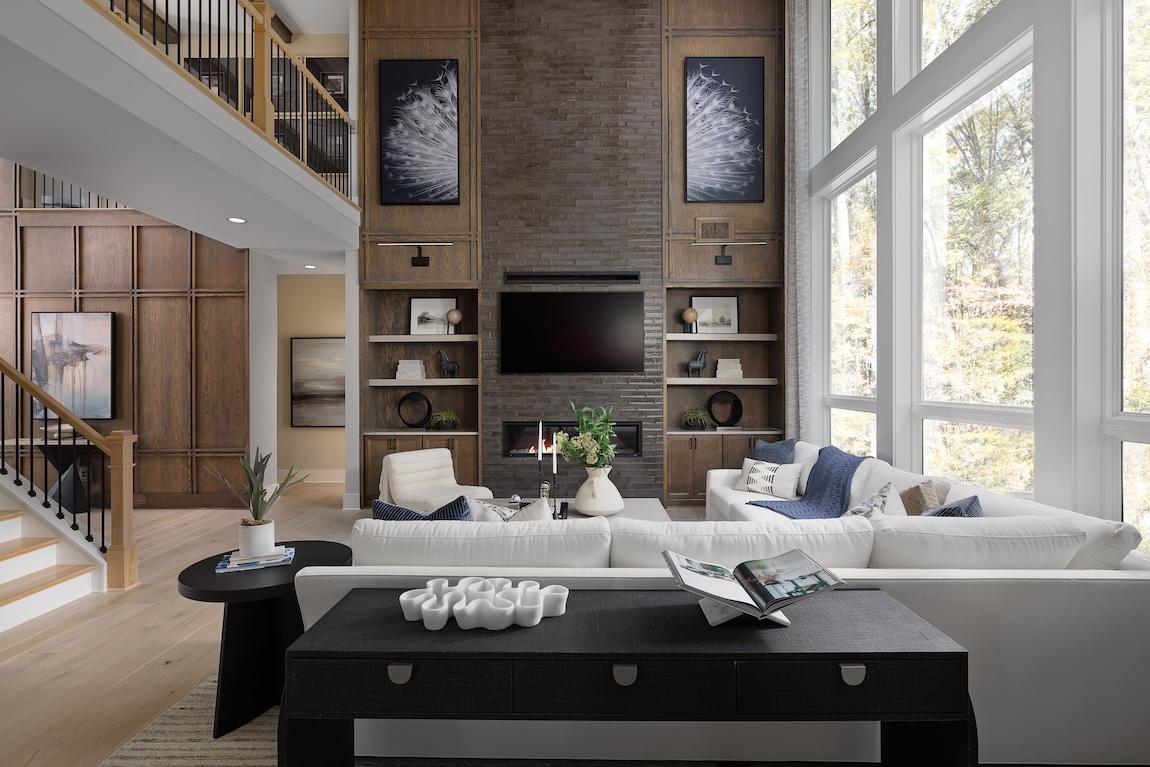
    Toll Brothers is adding another point of visibility in metro Atlanta with a new model home at Kennemore in Alpharetta. The community targets the upper end of the market with estate-sized homesites and luxury residences beginning at approximately $1.15 million.

    For the builder, the model opening is part of a broader effort to keep its luxury pipeline active in high-demand suburban markets where buyers continue to prioritize space, customization and location. Alpharetta remains one of metro Atlanta’s most established upscale housing markets, making the opening a useful indicator of continued confidence in premium new-home demand.

    The opening reflects the importance of strategic land acquisition and community development as luxury homebuilders navigate evolving market conditions. By expanding its presence in established suburban markets, Toll Brothers continues to position itself to serve buyers seeking premium housing options. The investment also highlights the role of desirable locations, differentiated home designs and long-term market planning in sustaining growth within the luxury residential sector.


    Photo credit: Toll Brothers

    Read Full Article

  • D.R. Horton marks 25 years as the nation’s largest homebuilder

    D.R. Horton marks 25 years as the nation’s largest homebuilder

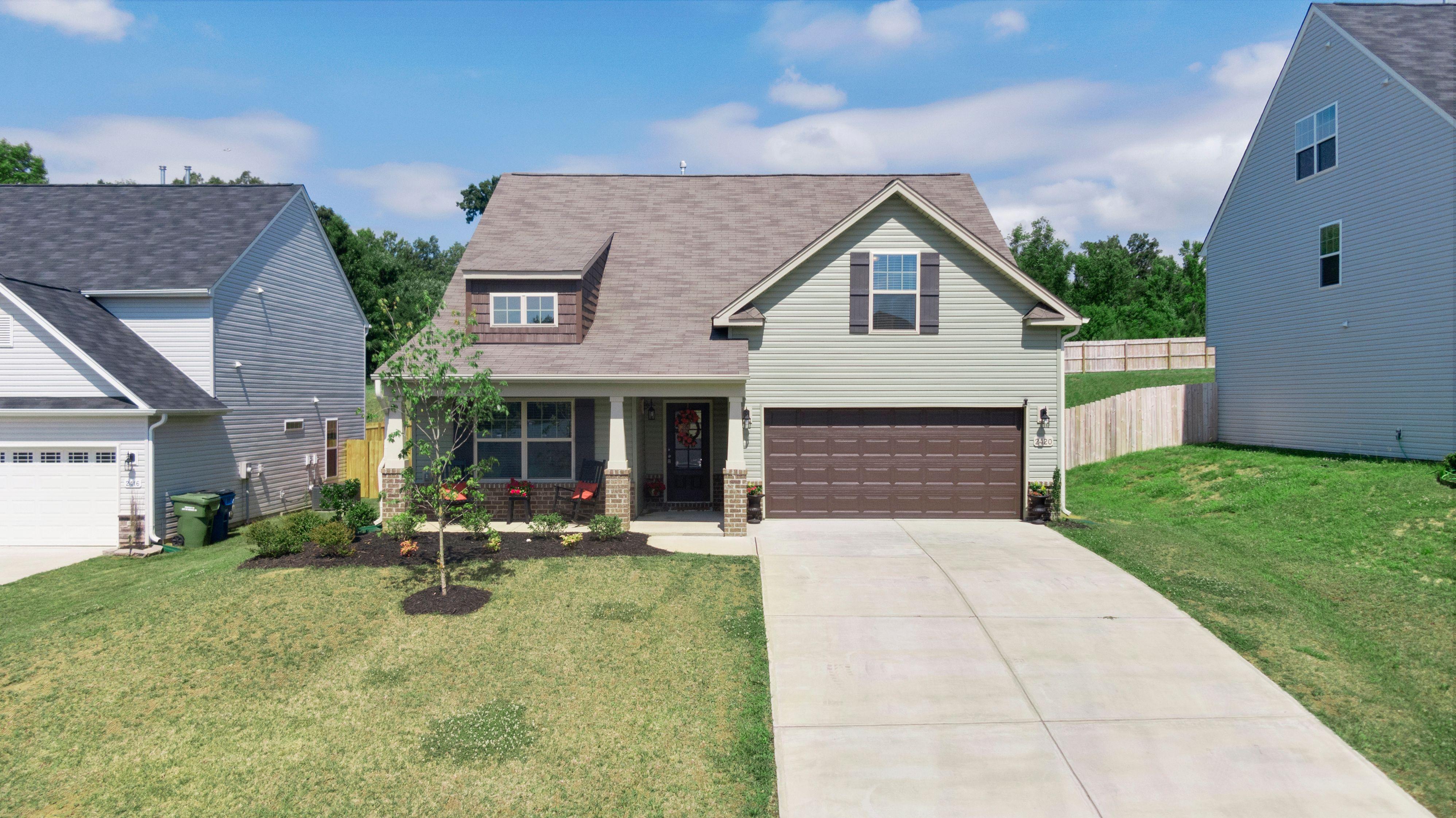
    D.R. Horton closed fiscal 2026 with another major industry milestone: 25 consecutive years as the nation’s largest homebuilder by volume. The company closed 84,202 homes during the year and continues to operate across a broad mix of entry-level, move-up, active-adult and luxury segments.

    The scale of that platform is matched by continued market expansion. D.R. Horton says it has entered 30 new markets and seven new states over the past five years, while roughly 43,500 fiscal 2026 closings served first-time buyers. The combination of geographic reach and product breadth illustrates how the industry’s largest builder continues to pursue growth while serving a wide range of homebuyer needs.

    Expansion by a major builder is especially meaningful in a market where disciplined land strategy and community selection remain critical to maintaining sales pace. D.R. Horton’s continued investment in new markets and diverse housing options underscores the importance of strategic growth, operational efficiency and adapting to evolving buyer demand as the homebuilding industry navigates the next phase of the housing cycle.

    Read Full Article