
modular construction

  • Consumer confidence softens in September

    Consumer confidence softens in September

    Consumer confidence decreased in September 2026, according to the Consumer Confidence Index. The index is a survey measuring how optimistic or pessimistic consumers feel about their financial situation, consisting of two components: how consumers feel about their present situation and their expected situation. This index fell from 89.4 to 81.9 in September, the lowest level since April 2014.

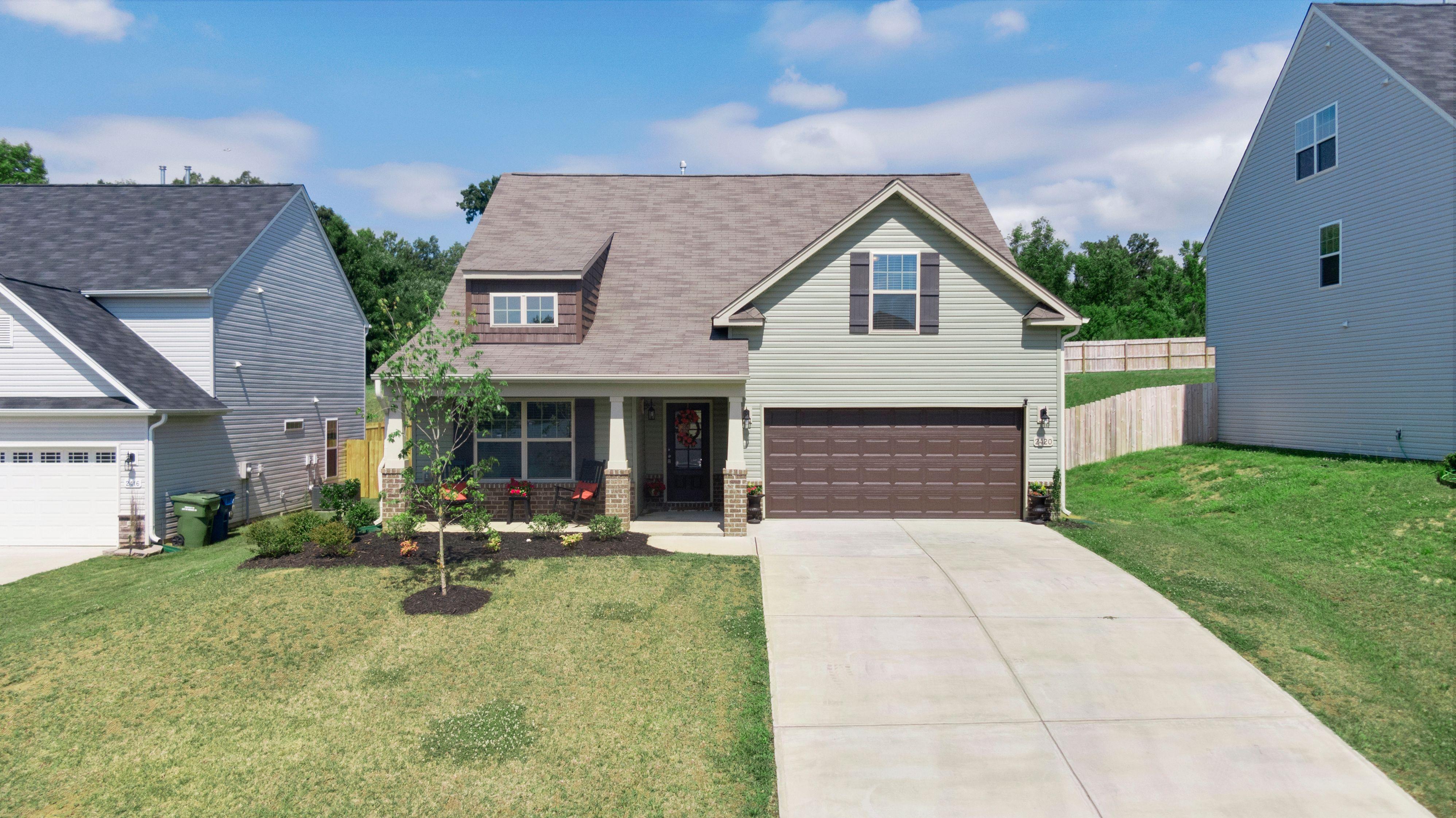
    The Conference Board also reported the share of respondents planning to buy a home within six months. Those planning to buy a home rose slightly to 5.4% in September. Of the 5.4%, the shares planning to buy a newly constructed home and an existing home decreased to 0.4% and 2.4%, respectively. The remaining 2.6% were planning to buy a home but were undecided between new or existing homes.

    Read Full Article

  • The Architecture of Quiet

    The Architecture of Quiet

    Designing Inner Peace for calm on a difficult hillside site

    The hills of Tustin do not compromise. They rise in dry, sun-baked terraces of sage and fractured shale and building on that kind of slope means choosing early how you’ll respond to it: fight the grade with retaining walls and heavy engineering, or find a way to settle into its contours instead. We chose the latter, carving a level shelf midway up the incline so the home could sit quietly into the hillside rather than push back against it.

    At our studio, every home starts as a portrait of the people who will live there. On this site, that meant looking for the one place on the slope where a family could live above the noise of the street while still feeling connected to it. The level expanse we found there became the starting point for everything else: a secluded courtyard life, held above the city, without losing touch with it.

    We call the result Inner Peace. This year, the Pacific Coast Builders Conference recognized the project with a Grand Award in the Gold Nugget Awards, which felt like a good validation of a fairly simple idea: that a house designed with intention can genuinely support the way people feel in their own home.

    Getting to Inner Peace is part of the design. The driveway climbs slowly along the hill’s contours, passing the house before arriving at an entry courtyard tucked above street level. Only then does the entrance reveal itself, a narrow slot framed by the tall roofline of the main living volume on one side and a deliberately low service roof on the other. That compression is intentional. It’s a small threshold moment, a chance to leave the outside world behind before stepping in.

    Inside, a long circulation axis pulls the eye straight through the home toward a private courtyard beyond. That spine organizes nearly everything: as you move along it, the main living volume opens up at a cross-axis, anchored by two fireplace masses that frame both the indoor gathering spaces and the outdoor rooms beside them.

    Stepping into that living volume is where the house changes character. Its high roof appears to float, carried on a continuous band of clerestory glass that wraps the room and pulls daylight deep into the kitchen, dining and living areas — a lighter counterpoint to the more grounded circulation spine below. We designed the sequence around four things we return to on every project: space, proportion, light and material. Floor-to-ceiling glass doors slide fully into the walls, dissolving the boundary between that pavilion and the courtyard just beyond it.

    That courtyard acts as the home’s outdoor living room. A sheltered patio and fireplace sit beneath a mature olive tree that shades the space from the western sun each afternoon; the tree canopy and a deep roof overhang together give the space a sense of ceiling, which matters more than people expect in an outdoor room. It’s the kind of space our clients tend to use every day, in every season.

    Further into the plan, a second courtyard marks the transition into the private wing, where a cross-axis splits toward the primary suite on one side and the guest suites on the other. Skylights at each end pull natural light down into the circulation, a quiet way of signaling that you’ve arrived somewhere more restful.

    None of this comes together without a strong team. We worked closely with RDM Contractors throughout the build and with homeowner Evelyn Wong for the interior design.  That coordination between architect, builder and homeowner shows up in details like the thoughtful material transitions and the precise roofline alignments that make the “levitating” roof read as effortless as it does.

    For our team, recognition like the Gold Nugget Award means more than a plaque. It’s confirmation that the instincts we bring to every project: start with the site, build in moments of arrival and pause, let light do some of the work. Inner Peace is proof that a home can be both a disciplined piece of architecture and, quite literally, a place built for calm.

    By Anders Lasater, AIA. He is President and Design Director at Anders Lasater Architects. He can be reached at anders@anderslasaterarchitects.com. 

    This column is also featured in B&D September, read the print version. 

  • HUD and USDA agreement to streamline housing standards

    HUD and USDA agreement to streamline housing standards

    The U.S. Department of Agriculture (USDA) and the U.S. Department of Housing and Urban Development (HUD) signed a Memorandum of Understanding (MOU) to streamline housing standards, including environmental review, environmental impact, environmental regulations and physical inspections. The MOU aims to advance housing development and increase supply.

    “The National Association of REALTORS (NAR) applauds HUD and USDA for streamlining environmental reviews and inspections, reducing regulatory barriers and advancing housing development,” said NAR Executive Vice President and Chief Advocacy Officer Shannon McGahn. “This action is an important step in implementing the 21st Century ROAD to Housing Act and building momentum toward reforms that reduce costs and increase housing supply. NAR helped shape the legislation and will continue working with federal agencies and regulators to advance policies that break down barriers to housing and homeownership.”

    Read Full Article

  • ASID announces 2026 National Award Winners

    ASID announces 2026 National Award Winners

    The American Society of Interior Designers (ASID) presented its 2026 National Awards across three categories: the Annual Awards, Legacy Awards and FOCUS Project Awards.

    Over 25 awardees were recognized for their impact on design and the built environment. 

    The ASID Carolinas Chapter received Chapter of the Year. The awards cover all sectors of interior design, including healthcare, workplace and education.

    Some residential design standouts are: 

    “Every year, the National Awards remind us of what is possible when designers use their expertise to address the needs of people and the world around them,” said Khoi Vo, chief executive officer, ASID. “The 2026 honorees are doing that in many different ways, through innovative projects, meaningful service, thoughtful leadership and a commitment to the future of our profession. Their work demonstrates why design matters and the difference it can make in people’s lives.”

    Read Full Article