
multifamily

  • Mortgage rates hold steady

    Mortgage rates hold steady

    Freddie Mac’s Primary Mortgage Market Survey showed that the 30-year fixed-rate mortgage (FRM) is holding steady, averaging 7.40%. “The average…

    by

    Read Full Article →

  • B&D Interview: Ryan Perrone, President & Founder of Nautilus Homes

    B&D Interview: Ryan Perrone, President & Founder of Nautilus Homes

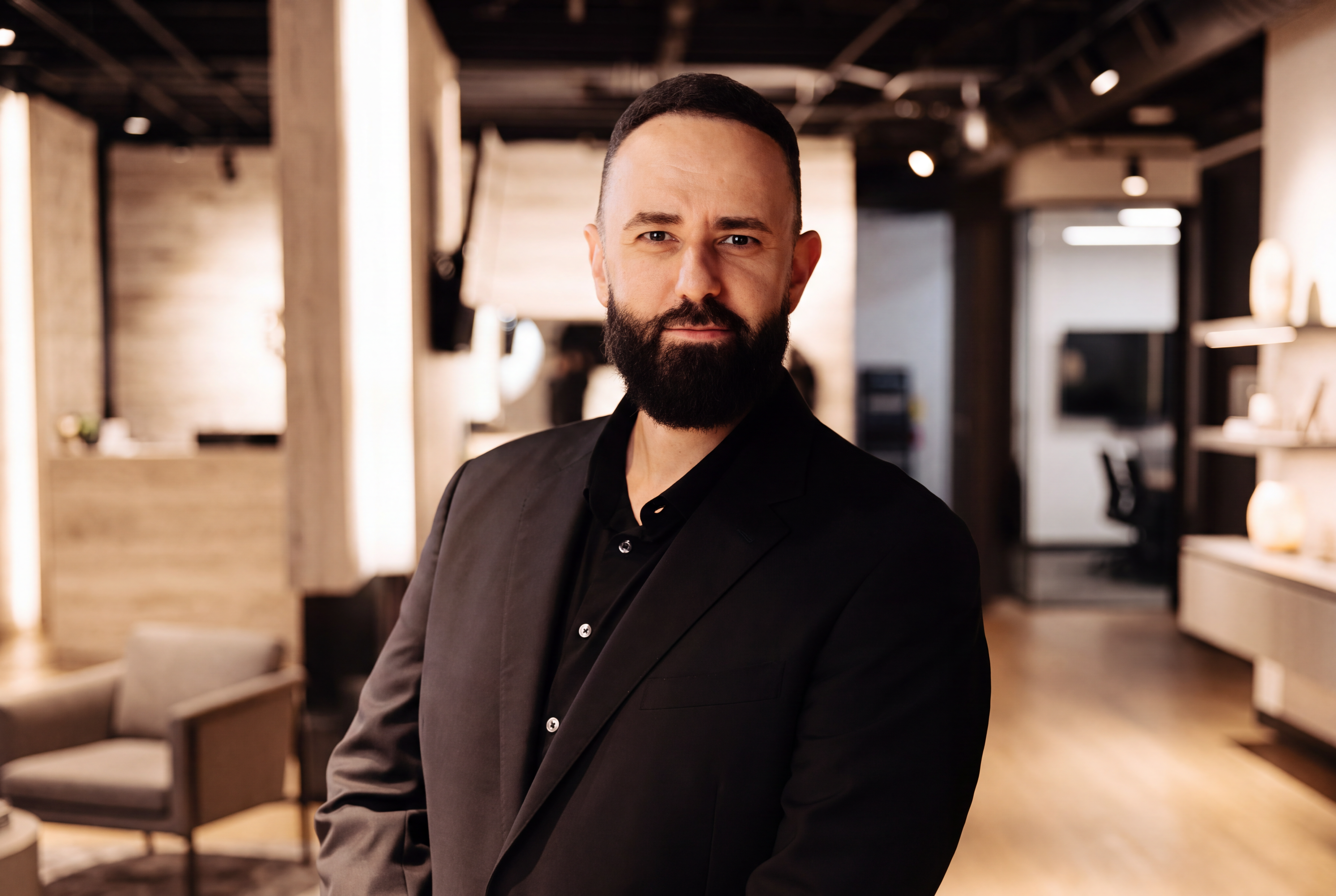
    Perrone discusses Nautilus Homes’ evolution as a custom homebuilder

    Builder and Developer: Nautilus Homes originally built its reputation through smaller projects, with a focus on craftsmanship over scale. How did this approach influence your building philosophy in your current large-scale projects? 

    Ryan Perrone: In our early years, I was on every site, every day. That level of involvement allowed me to put my care into every aspect of the home, bringing slight improvements to small and big elements alike, which, when viewed as a completed project, created a better product.  

    That philosophy hasn’t changed as our projects have grown. What has changed is how we bring that same level of care into bigger projects and more of them. Larger, more complex homes require stronger systems, deeper planning and a team that understands and champions the standard just as clearly as I do. We’ve built that through better hiring, dedicated project leadership, rigorous pre-construction and consistent quality-control practices. 

    My role has evolved along with the company. Today, much of my focus is on the pre-construction phase, setting the standards, developing our team and continuing to push how we build through better processes, new technology and more innovative ways of solving complex construction challenges. 

    The scale of the work may be different, but the philosophy is the same: treat each home, each decision as if it was our home, and care deeply about even the smallest details regardless of who is watching or not, and the results will speak for themselves. 

    B&D: As a second-generation luxury homebuilder, in what ways have you seen luxury homebuilding evolve? 

    RP: The level of sophistication has changed tremendously. Homes are more architecturally ambitious, the systems behind them are more complex and clients are coming into the process with a much higher level of knowledge and expectation than they did even 10 or 15 years ago. 

    That has changed the role of the builder. We’re getting involved earlier, working alongside architects and designers during preconstruction to think through constructability, cost, performance and execution before those decisions reach the field. There is much less room for the builder to simply receive a set of drawings and figure it out during construction. 

    Technology has accelerated that evolution. While applications like Instagram are bringing a higher awareness of good design to clients and designers alike, we have also implemented 3D modeling to resolve issues digitally early. We model every project in BIM before construction, use robotic layout 

    and lidar scanning in the field and have far greater ability to identify conflicts and verify conditions before they become problems.  

    At the same time, resiliency and building performance have become increasingly important,  particularly here in Florida. Understanding how to resolve these concerns through basic, logical,  tested approaches is equally as valuable. That really comes with experience of seeing how different properties perform over the years and staying on top of the latest materials.  

    What hasn’t changed is the expectation of craftsmanship. The tools are better and the homes are more complex, but ultimately the responsibility is still the same: take an extraordinary design, understand the intent and execute it at the highest possible level. 

    B&D: How has Nautilus Homes tailored its approach for today’s modern homebuyer? 

    RP: Today’s luxury client expects a highly personalized experience, but they also want clarity. They want to understand where the project stands, what decisions are coming, what those decisions mean for  cost and schedule and who is accountable at every step. 

    We’ve built our process around creating that confidence early. Every Nautilus project is modeled in BIM before construction begins and a significant amount of work happens during pre-construction to define scope, develop pricing, coordinate with the design team and identify major decisions before they reach the field. 

    That discipline produces measurable results. To date, every project has been completed within its  approved control estimate and every home has been delivered on time or ahead of schedule. For a  custom home, where there are thousands of individual decisions and an enormous amount of  complexity, I think that kind of predictability matters. 

    Once construction begins, every home has dedicated project leadership and our clients have real time visibility into progress, budget, schedule and site documentation. The goal isn’t to make a custom process feel standardized but to put enough structure behind it so that the client can focus on the experience of creating something extraordinary rather than worrying about what comes next, or if they have enough budget remaining to splurge on their master closet.  

    B&D: Nautilus Homes’ Watersound received several awards from the National Association of Home Builders’ Best in American Living Awards. What does this recognition mean to you? 

    RP: We don’t do what we do for awards or recognition. Our standard is the same whether anyone outside  the project ever sees it or not.  

    That said, recognition like this is meaningful because every project is brought to life by a team based on a client’s vision and in many cases we bring the team, from architect to interior designer and beyond. Many times these are different team members to better suit a client’s character, style, location, etc., but they always turn out to be amazing. 

    By the time a home is complete, countless decisions, details and moments of collaboration have shaped the final result. An award reflects the collective effort of the client, architect, design team, our team and the craftspeople who brought it to life. 

    I think of referrals and repeat clients the same way. More than 45% of our work comes from people who have either worked with us before or were introduced to us by someone who has. That isn’t why we hold ourselves to the standard we do, but it is proof that the standard is being felt beyond the finished product. 

    I’m proud of the recognition, but I’m even more proud of what had to happen to earn it. The decisions,  the collaboration, the craftsmanship and the trust from the client. That’s the part that matters most. The awards are proof that the work stands up, but they’ll never be the reason we do it. 

    B&D: Where do you see premier custom homebuilding headed in the future? 

    RP: I think the biggest shift will be toward much deeper collaboration before construction ever begins.  These homes are becoming more complex, architecturally, structurally and technologically. The old model of handing a completed set of drawings to a builder and figuring out the rest in the field is already a thing of the past.  

    One piece of advice I give anyone considering a custom home, whether they ultimately build with  Nautilus or someone else, is to bring the builder in early. Almost everything that shapes a home is decided before the plans are completed. The earlier the builder is at the table with the client, architect and design team, the more opportunity there is to think through constructibility, cost, schedule and execution while there is still flexibility to make good decisions. Whether a builder has a system, is capable of performing to your project scale and whether they understand how to achieve the quality level is a fundamental gate; then, whether you can trust your builder becomes the most important gate to selecting the builder. 

    We’ve seen the value of that firsthand. Every client who has completed our full pre-construction process has moved forward into construction with us. To me, that says the work we do early creates confidence. It gives everyone a clearer understanding of what we’re building, what it will take to build it and how we’re going to get there, and it makes the experience of the build far more enjoyable. 

    I also think resiliency and long-term performance will continue to become more important, especially in Florida. Clients are thinking beyond aesthetics and asking how their homes will perform, endure and adapt over time. 

    At the highest level, I don’t think the future is about choosing between craftsmanship and process. The best builders will have to be exceptional at both: protecting the artistry and individuality of a custom home while bringing greater discipline, foresight and collaboration to how it gets built. 

    B&D: Is there anything else you would like to add that we haven’t touched on already?  

    RP: We’re constantly looking for ways to improve, whether that’s through technology, construction methods, stronger processes or simply finding a better way to communicate and serve our clients. 

    Innovation for us isn’t about chasing what’s new. It’s about asking whether there is a smarter, more precise or more thoughtful way to do the work. 

    Sarasota will always be home for Nautilus. It’s where we started, where we’ve built our reputation and where so much of our identity comes from. But we’re now taking that same standard into Tampa Bay and, over time, into other places where we believe our approach can make an impact. 

    I want Nautilus to help push this industry forward. If we can continue raising expectations for craftsmanship, construction and the client experience, and encourage others to raise theirs along with us, then I think we’re doing something that matters well beyond any one home. 

    Nautilus Homes’ Watersound is featured in our October issue of Builder and Developer. Read the print version here. 
  • Fusing Sophisticated Design with Architectural Craftsmanship

    Fusing Sophisticated Design with Architectural Craftsmanship

    Nautilus Homes delivers custom excellence along Florida’s Gulf Coast

    As a child, Ryan Perrone would walk through job sites with his father and study his surroundings: what made a room feel right, how these details worked and, the biggest question: What made a home truly feel like it belonged to the people who lived there? 

    “That early exposure taught me that building is never just about materials, schedules or plans,” said Perrone. “It is about pride, trust and a deep respect for the people who will call that place home.” 

    That mindset is now the backbone of the company’s building philosophy. Perrone founded Nautilus Homes in 2010 with a purpose to build architecturally significant, technically demanding residences that required careful detail from design to construction. 

    “When I think about why I started Nautilus Homes, I always come back to the same ideas: care and accountability,” said Perrone. 

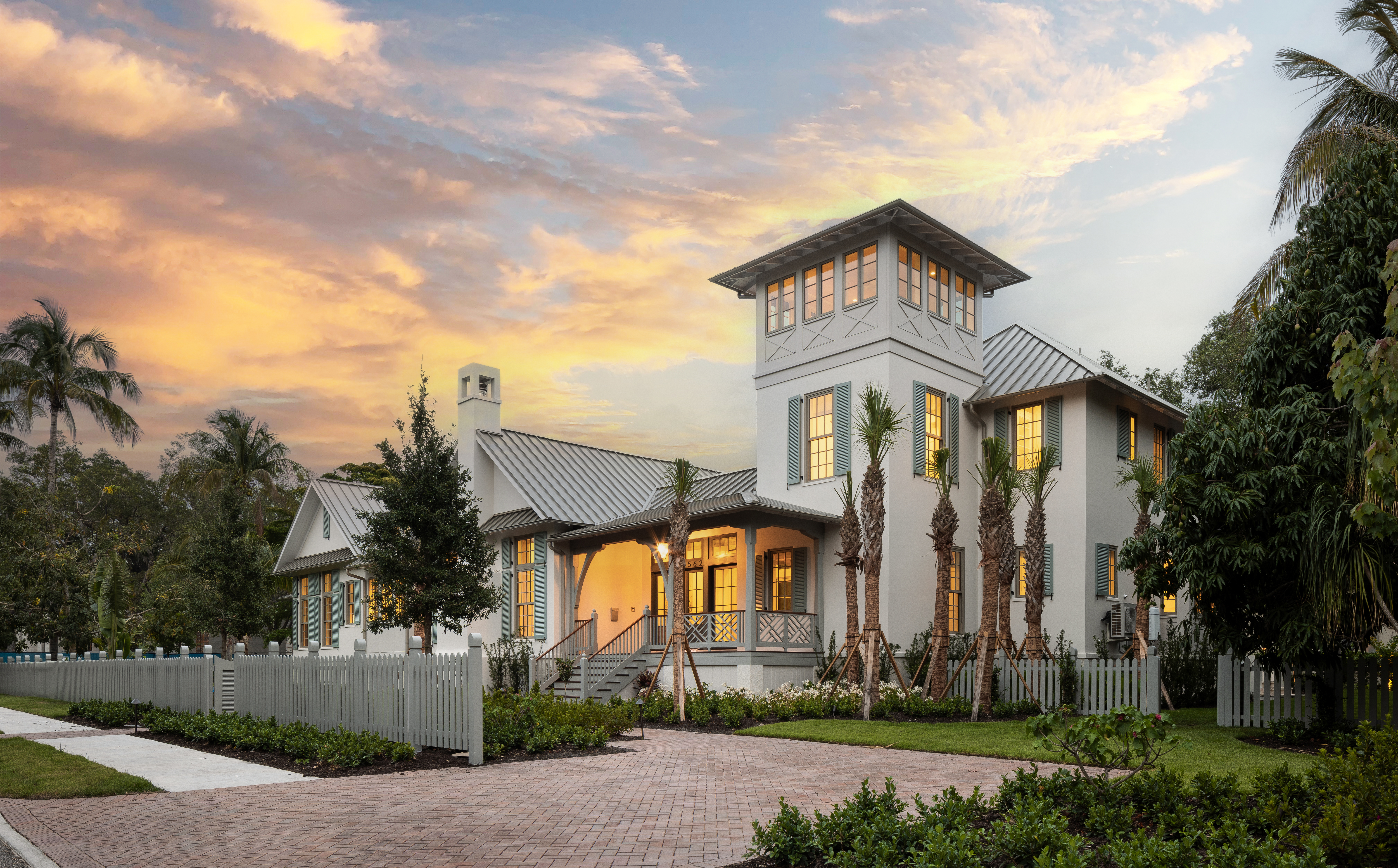
    The company’s building philosophy is evident in Watersound, a 4,750-square-foot custom home in Sarasota, Fla. The project’s stunning architecture and unique design earned several awards from the National Association of Home Builders’ Nationals Awards and Best in American Living Awards (BALA): Nationals Silver Best Custom Home, Nationals Silver  Best Interior Design, BALA Silver Best One-of-a-Kind Custom Home 5,001-6,000 and BALA Silver Best Kitchen in a Custom Home Priced over $2M.

    “I’m proud of the recognition, but I’m even more proud of what had to happen to earn it; the decisions, the collaboration, the craftsmanship and the trust from the client,” said Perrone. “That’s the part that matters most. The awards are proof that the work stands up, but they’ll never be the reason we do it.” 

    A Distinctive Exterior 

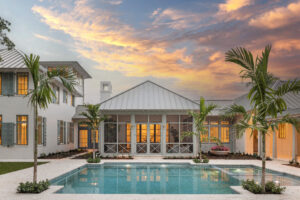
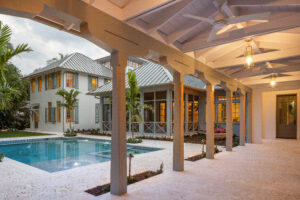
    The home’s Florida vernacular style keeps it cool and dry in the state’s humid climate. Outside, the project is the epitome of a coastal home, with white exteriors, teal shutters and budding palm trees. The builder utilized the site, situating the guest house and pool loggia to frame the auto court, giving the corner lot a sense of enclosure while adding real architectural presence. 

    The front porch defines the entry, with a navy front door to contrast the brighter color palette. 

    All main living areas connect directly to the backyard, establishing it as the star of the show. The project’s floor plan wraps around an interior courtyard, making the pool feel like a retreat rather than a standard backyard feature. 

    An expansive folding glass door system dissolves the boundary between the living room and the back screened porch, featuring an outdoor kitchen and lounge area that looks out to the pool. 

    The most distinctive exterior feature is the tower, which not only gives the roofline a memorable silhouette, but also delivers 360-degree-views of Florida’s coastline and the surrounding neighborhood. 

    An Elegant Interior 

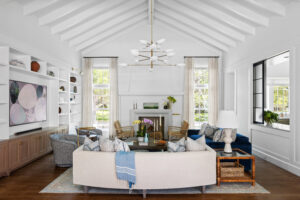
    The interior is an intricate blend of sophistication and craftsmanship. Vaulted ceilings and a precast, firebrick-lined fireplace are grounding elements in the living room. 

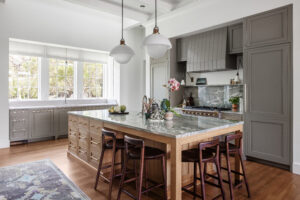
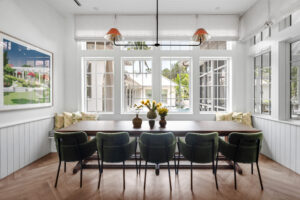
    The kitchen is designed for elegance and entertainment, with custom sage green cabinetry and a matching range, along with a parallel island with ample storage. The open layout connects the kitchen to the dining area, featuring a banquette-style dining table situated against large windows with views into the interior courtyard. 

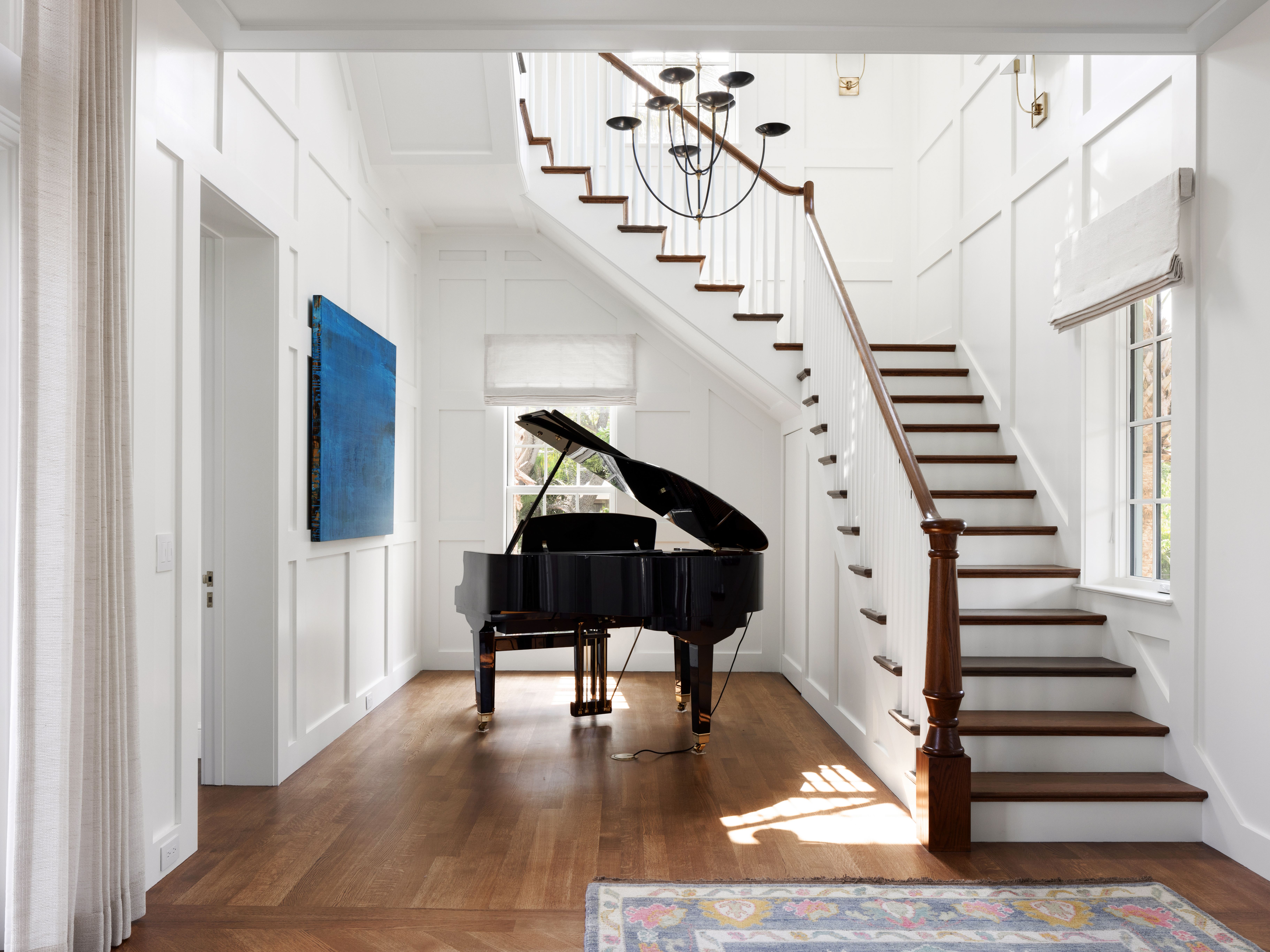
    While the tower defines the exterior, the inside of it is just as prominent, serving as Watersound’s centerpiece. The grand three-story staircase leads to a yoga room situated at the top of the tower and is anchored by a grand piano at the base, which Nautilus Homes added to be a focal point rather than a circulation element.  

    Nautilus Homes was shaped around the belief that a custom builder needs to be a collaborator, a problem-solver and a steward of design wrapped in one. Before the sale of Watersound was complete, the homeowners described their unwavering vision for a residence that felt as though it had been in their family for generations. Nautilus Homes delivered, thanks in part to their company’s unique origins. 

    The Road to Large-Scale Projects 

    Watersound blends scale with elegant design directly inspired by Florida’s coast. In its early days, Nautilus Homes focused on what the company referred to as “jewel box homes.” These were projects where scale was secondary to craftsmanship, proportion and thoughtful execution. This created an opportunity to refine the builder’s approach and establish the level of care that would later translate to larger, complex homes, like Watersound. 

    “Today’s market asks much more of a custom builder,” said Joy Moore, Director of Marketing at Nautilus Homes. “The company has learned to adapt to changing market conditions without lowering its standards.” 

    Photos courtesy of Ryan Gamma and Nautilus Homes. 

    By Taylor Moore. She is the Assistant Editor and can be reached at taylor@builder.media.

    This story is featured in our October issue of Builder and Developer. Read the print version here. 
  • NAHB backs EPA and Army Corps rules proposal

    NAHB backs EPA and Army Corps rules proposal

    The National Association of Home Builders (NAHB) requested that the Environmental Protection Agency and U.S. Army Corps of Engineers further clarify rules on tidal changes and droughts, supporting the supplemental Waters of the United States (WOTUS) proposal under the Clean Water Act.

    NAHB is in favor of changes to the final rules to give builders and developers a more defined course of action during project planning, land assessment and permit requirements.

    Read Full Article 

  • What the 2027 Colors of the Year say about the future of design

    What the 2027 Colors of the Year say about the future of design

    For years, interior design leaned into clean, cool grays and sterile whites that were easy to style, but often left homes feeling cold and detached. Rather than staging spaces for resale, the industry noticed that homeowners want to invest in colors that activate the senses, honor natural materials and age gracefully over time.

    As we look toward 2027, the paint industry is making a collective statement: bring personality back to the home. This reflects a broader shift across design, with buyers wanting more tailored features to their everyday lives.

    Dunn Edwards

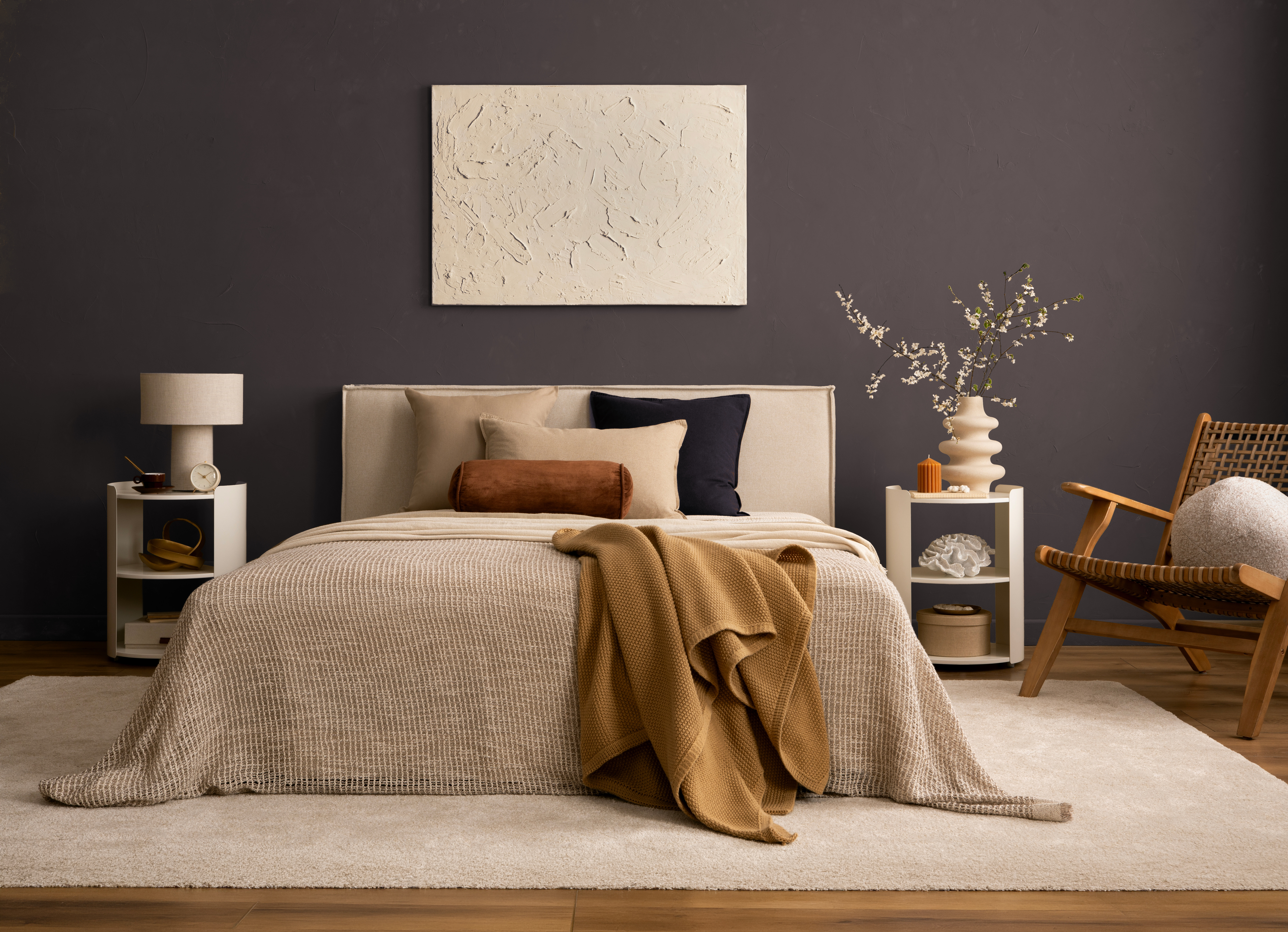
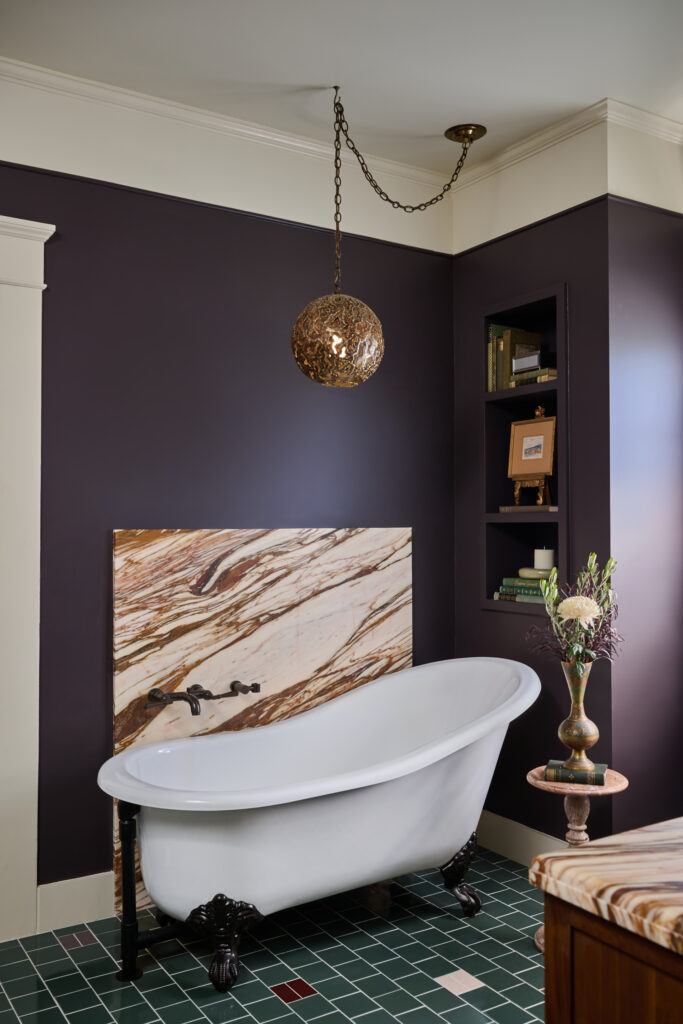
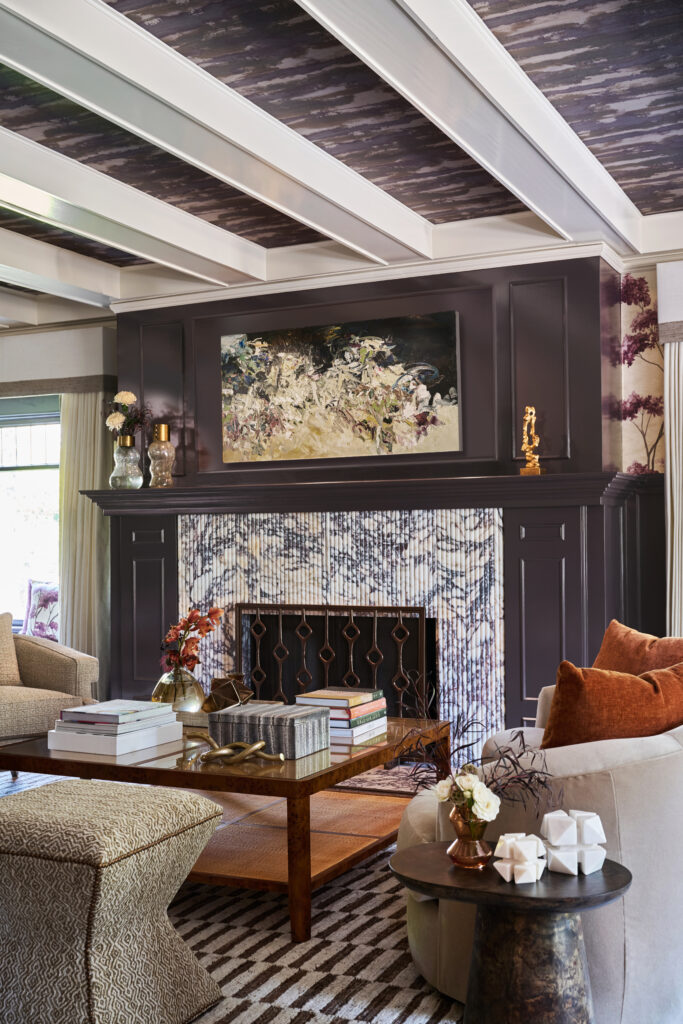
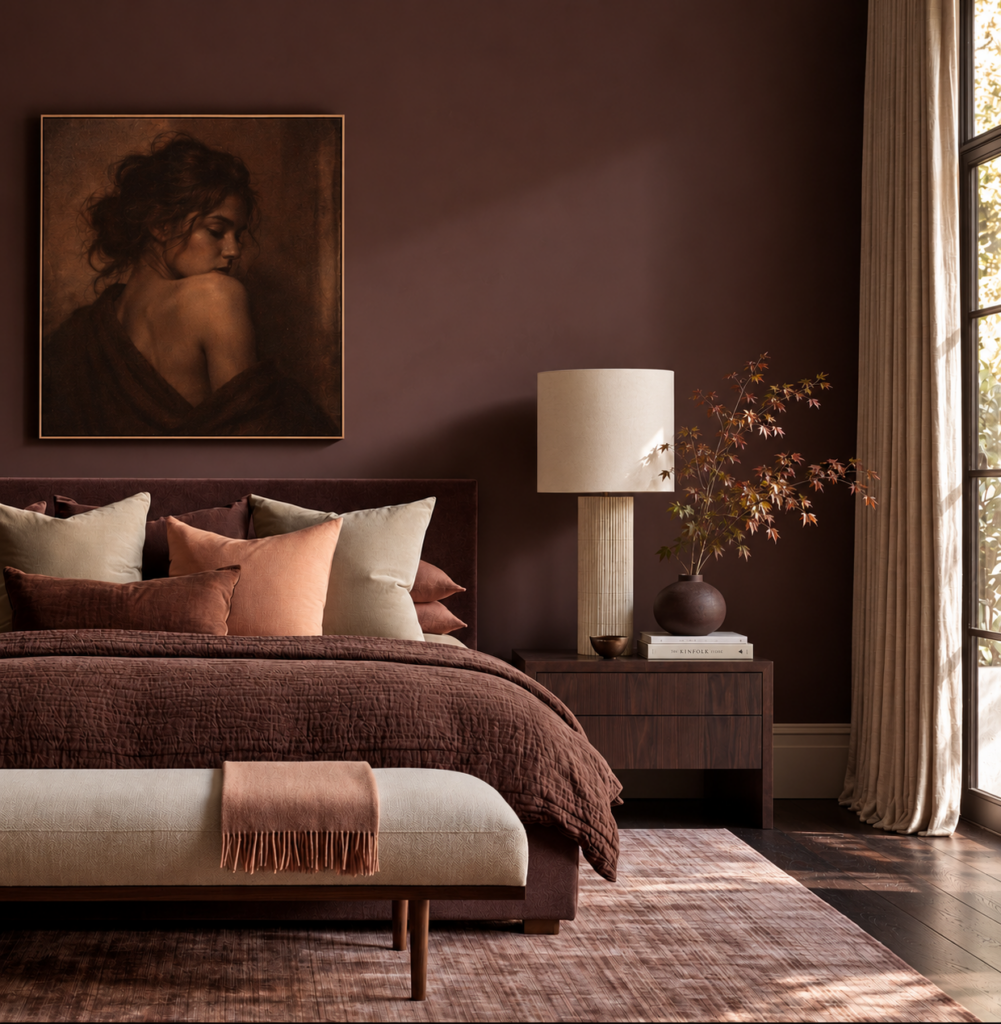
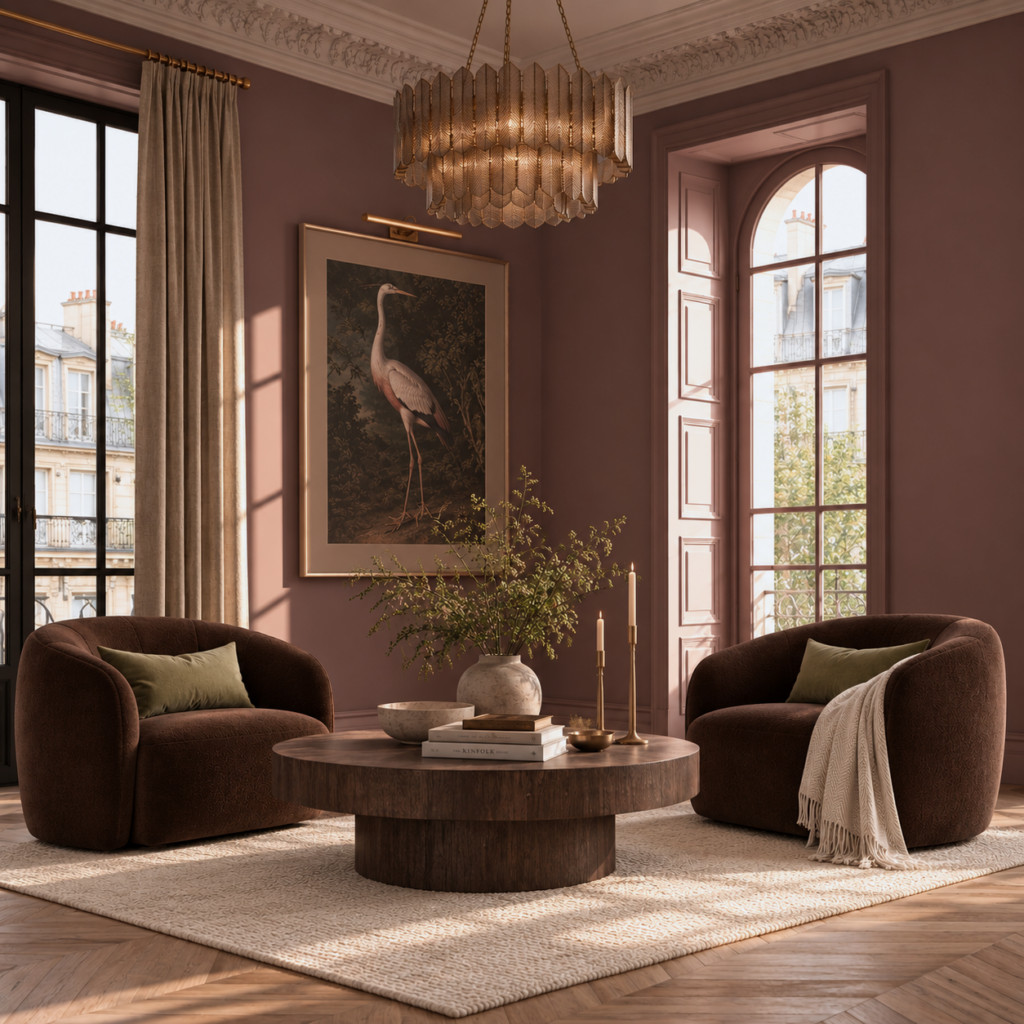
    Dunn-Edwards launched French Press Coffee, a chocolatey brown with a rich plum undertone. The dimensional shade offers an easy complement to natural materials and an ode to craftsmanship. 

    The color represents the pendulum swinging towards moody and unique design choices. 

    “Largely, it’s a reaction to the years when gray and white dominated. Those palettes were clean and easy to sell, but many people found them cold and impersonal to live with,” said Lauren Hoferkamp, Color Marketing Manager at Dunn-Edwards to Builder and Developer.

    “Now buyers and homeowners want warmth, and the entire supply chain is responding, from cabinetry and flooring to countertops and fixtures. For builders, warm neutrals offer a practical advantage too: they complement the natural wood, stone and warm-metal finishes buyers are asking for, and they show and photograph with a welcoming, lived-in quality that starker palettes often lack.”

    Hoferkamp noted that the shade’s timelessness drove the selection.

    I forecast this shade to be a chameleon across design, with welcome applications to exteriors, cabinetry or color-drenching a laundry room or home office. 

    Sherwin Williams

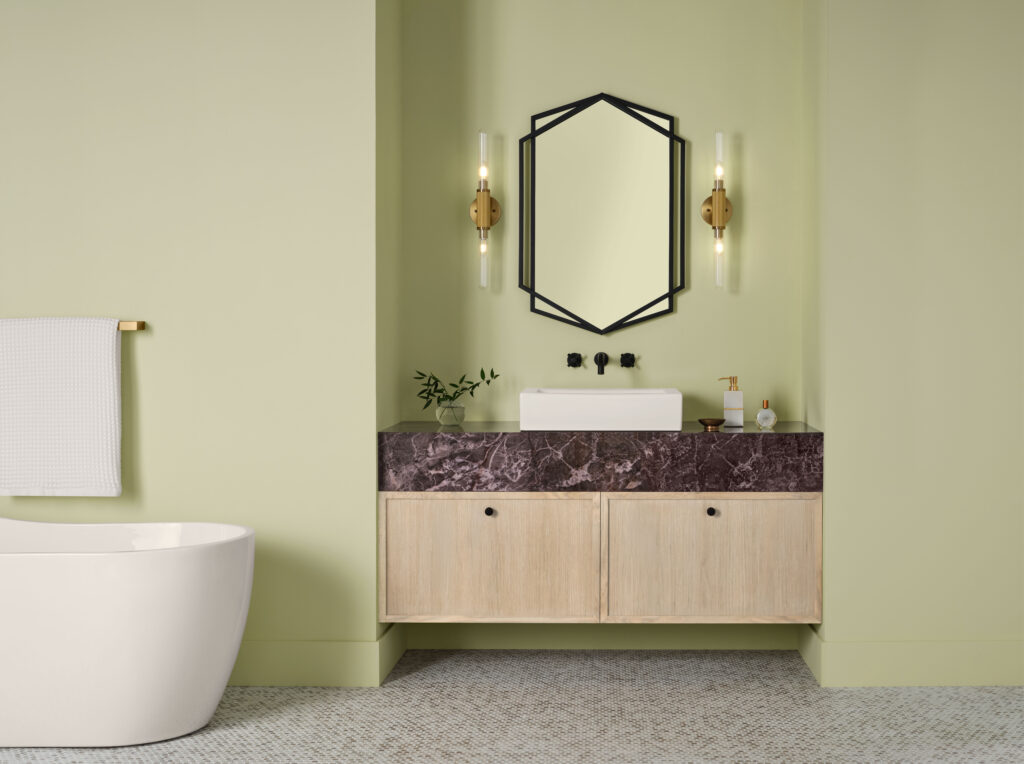
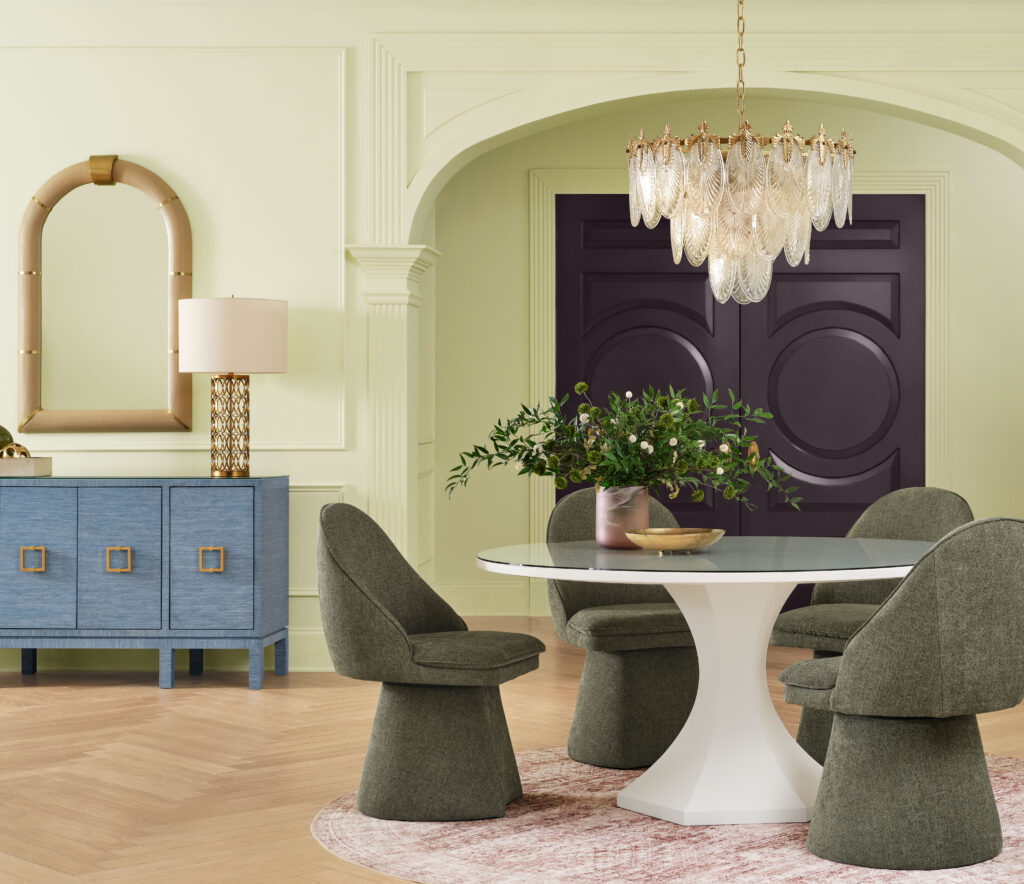
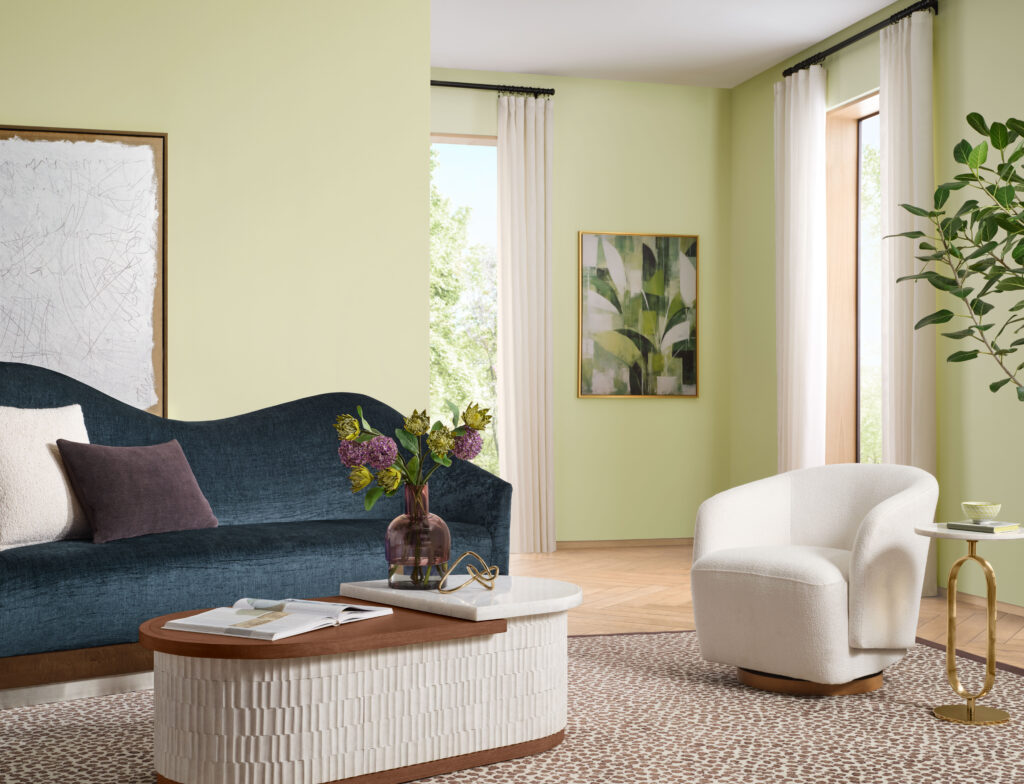
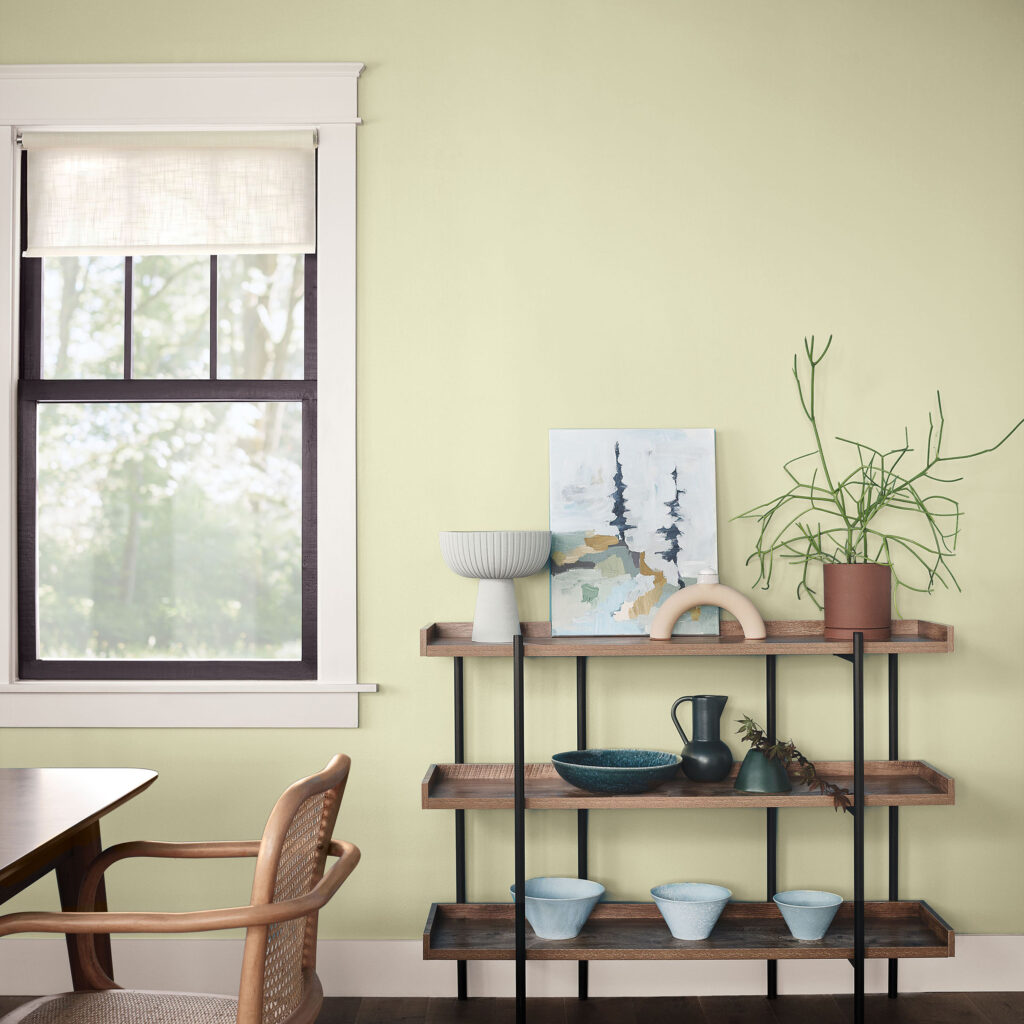
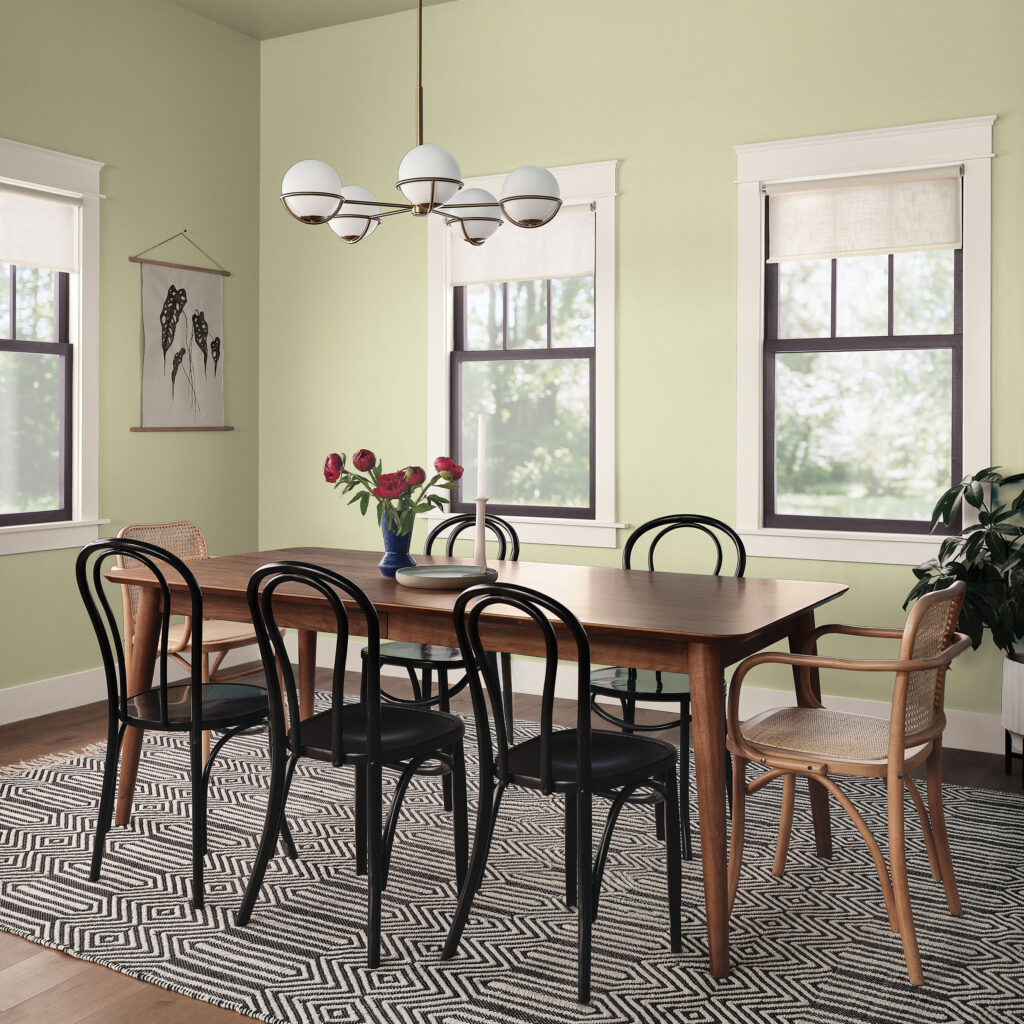
    Sherwin-Williams’ Celery is a stark contrast to the organic warm neutrals across the industry. Selected by the Sherwin-Williams Trendsight Team, the shade brings an energetic pop to interiors.

    “Celery was chosen as the 2027 Color of the Year because it reflects today’s priorities: wellness, balance and connection,” says Ashley Banbury, Color Marketing Manager at Sherwin-Williams.

    “Homeowners and designers are increasingly prioritizing wellness at home, seeking soothing environments that support mental health and overall well-being.”

    I can see this shade used to draw playfulness into a sitting room, bathroom, or personalized spaces such as a home gym or children’s play area.

    Benjamin Moore

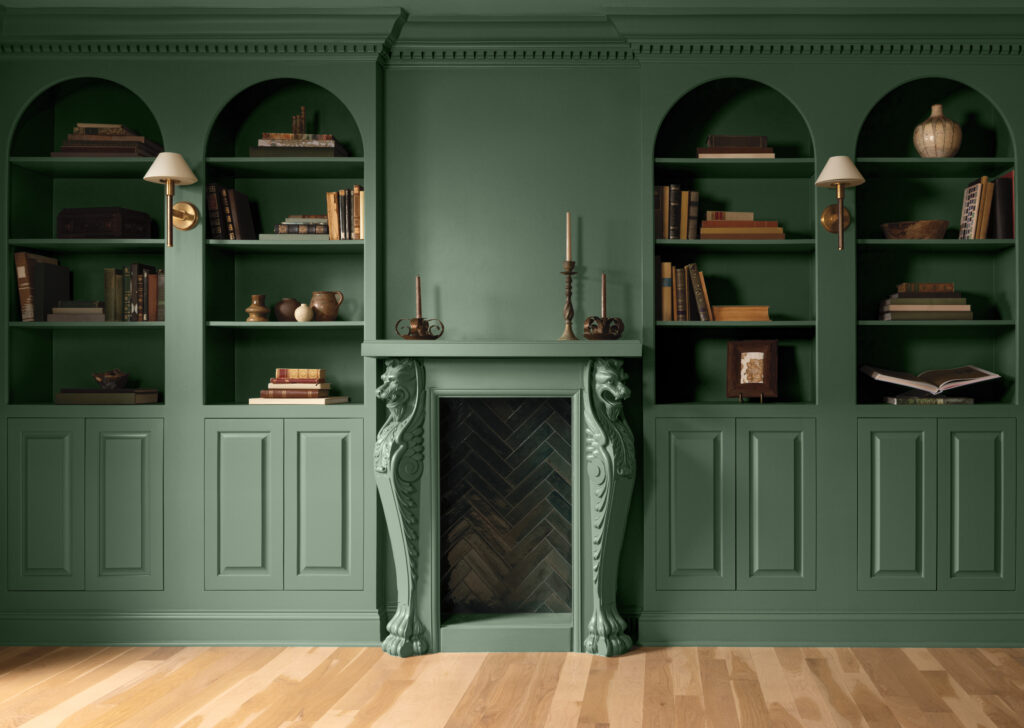
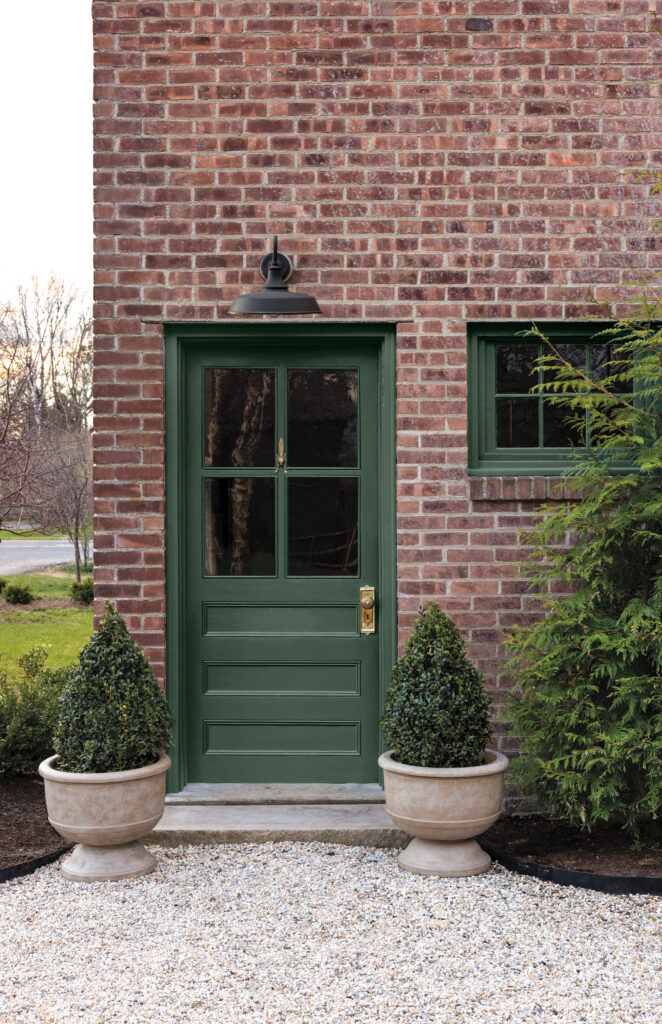
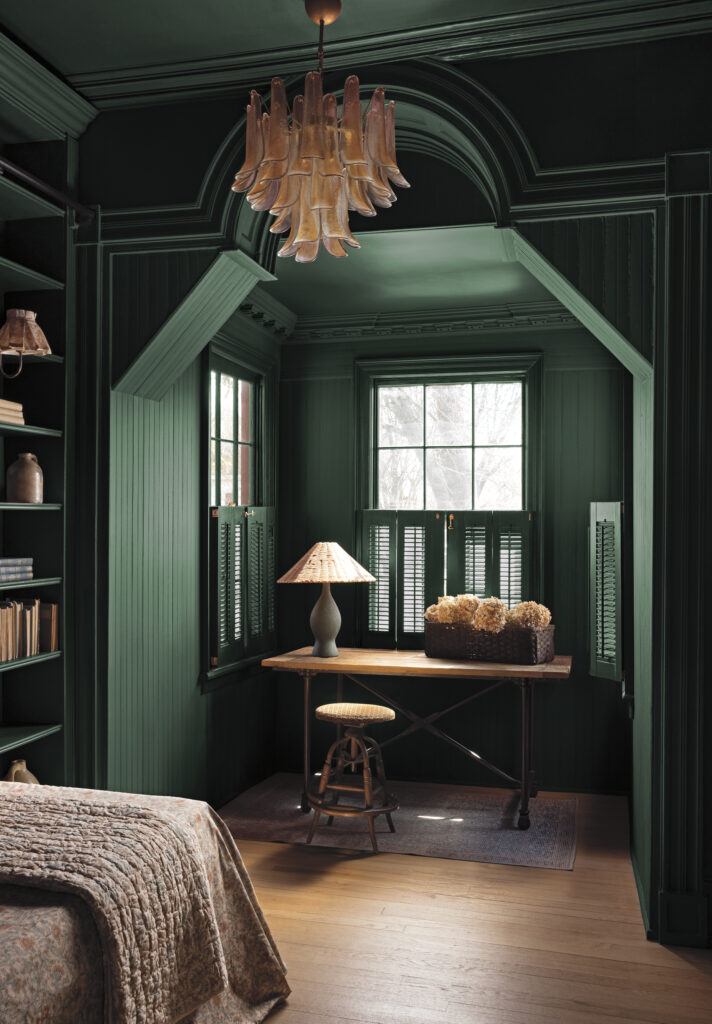
    Benjamin Moore’s Color of the Year 2027 is Webster Green HC-130: a marriage of the traditional and contemporary. It’s an instant, not overpowering character blending well with rich woods, brass and natural materials.

    “For 2027, our focus centred on the green colour family. When we looked across the past, present and future of colour trends, variations on green consistently demonstrated remarkable staying power,” said Andrea Magno, Vice President of Brand, Colour and Integrated Marketing, at Benjamin Moore.

    “Webster Green HC-130 reflects this timeless appeal by pairing reassuring stability with optimistic energy. Its composed nature feels both rooted and forward-looking, while enhancing spaces that feel distinctive, collected and continually new.”

    This shade could be easily adapted in grounding spaces, like a home office, entryway or living room. 


    C2 Paint

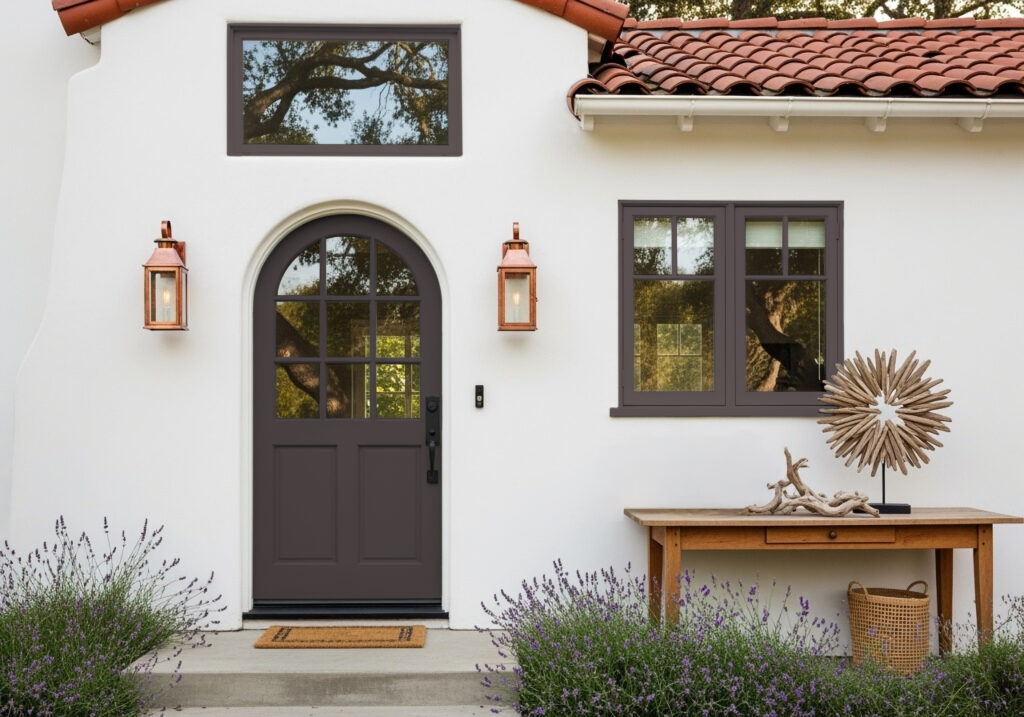
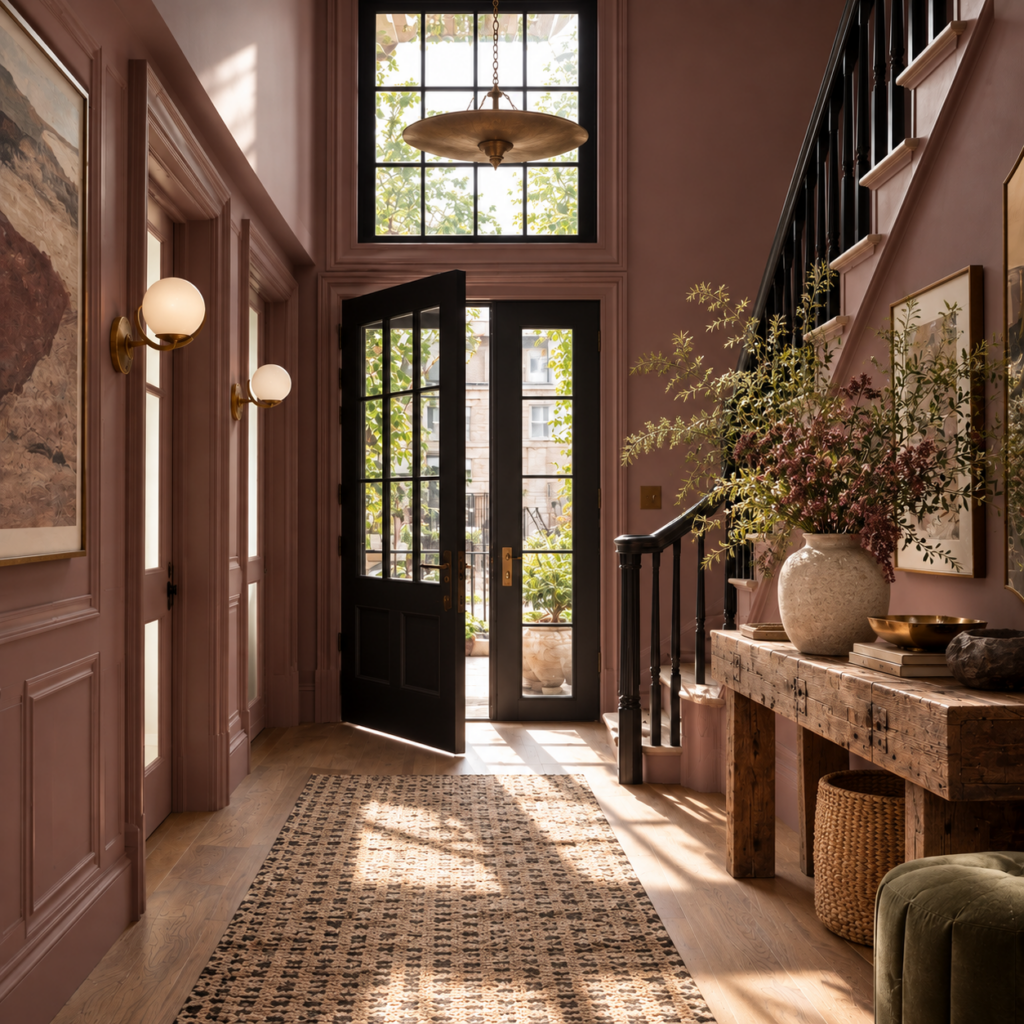
    C2 Paint named Pueblo its 2027 Color of the Year.  It’s a warm, multifaceted hue of earth, rose and brown. 

    The shade serves as an anchor for the brand’s “Rural Renaissance” palette, evoking natural materials, craftsmanship, gardening, and cooking. 

    “For several years, the conversation around home and design has centered on calm, comfort and restoration,” said Philippa Radon, Interior Designer and C2 Paint Color Specialist.

    “For 2027, we began asking a different question: What comes next? After a period of looking inward, we’re seeing a renewed desire to engage with the world around us—to create, gather, explore and reconnect with the experiences that make us feel alive.

    The shade is noted to change with light, season and weather; the perfect use of it would be on cabinetry, utility rooms or closets.