sustainability

  • Florida and California lead in luxury home sales

    Florida and California lead in luxury home sales

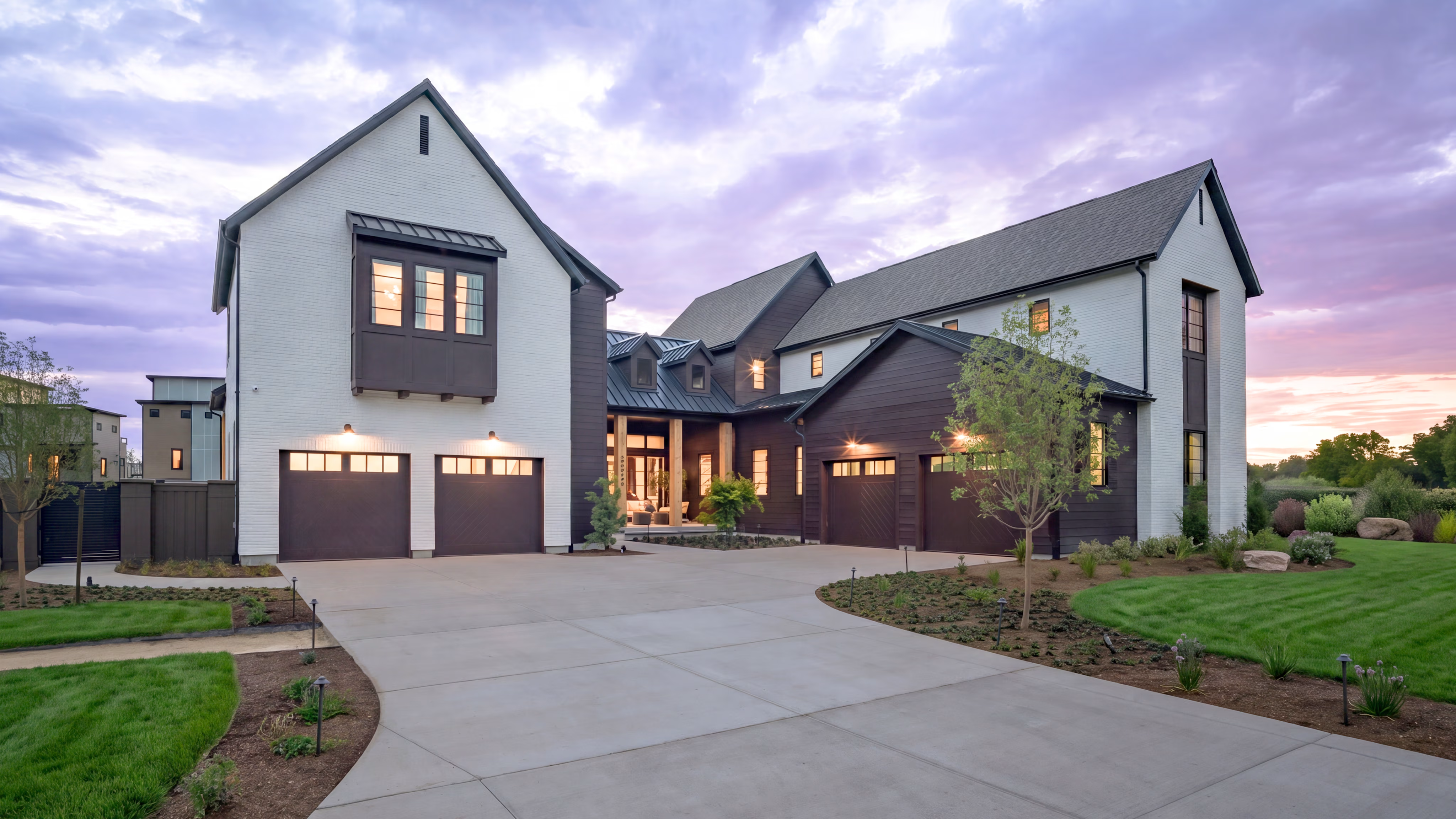
    June’s largest home sales were split between the coasts of Florida and Southern California. Luxury home sales strongly led each of the state’s housing markets. The most expensive U.S. home sale of the month, a beachfront estate in Manalapan, Fla., sold for $71 million. The second largest sale was a $47 million compound in Beverly Hills, Calif., followed by two coastal Florida properties that each sold for approximately $43 million: a Palm Beach mansion and a Bal Harbour Home.

    In California, some of the largest sales came from the following luxury properties: a West Hollywood penthouse, a Carpinteria beach house and a Newport Beach estate.

    All 10 of June’s largest home sales sold for more than $30 million.

    Read Full Article

  • Fusing Luxury and Functionality

    Fusing Luxury and Functionality

     Understanding the role interior designers play behind the scenes 

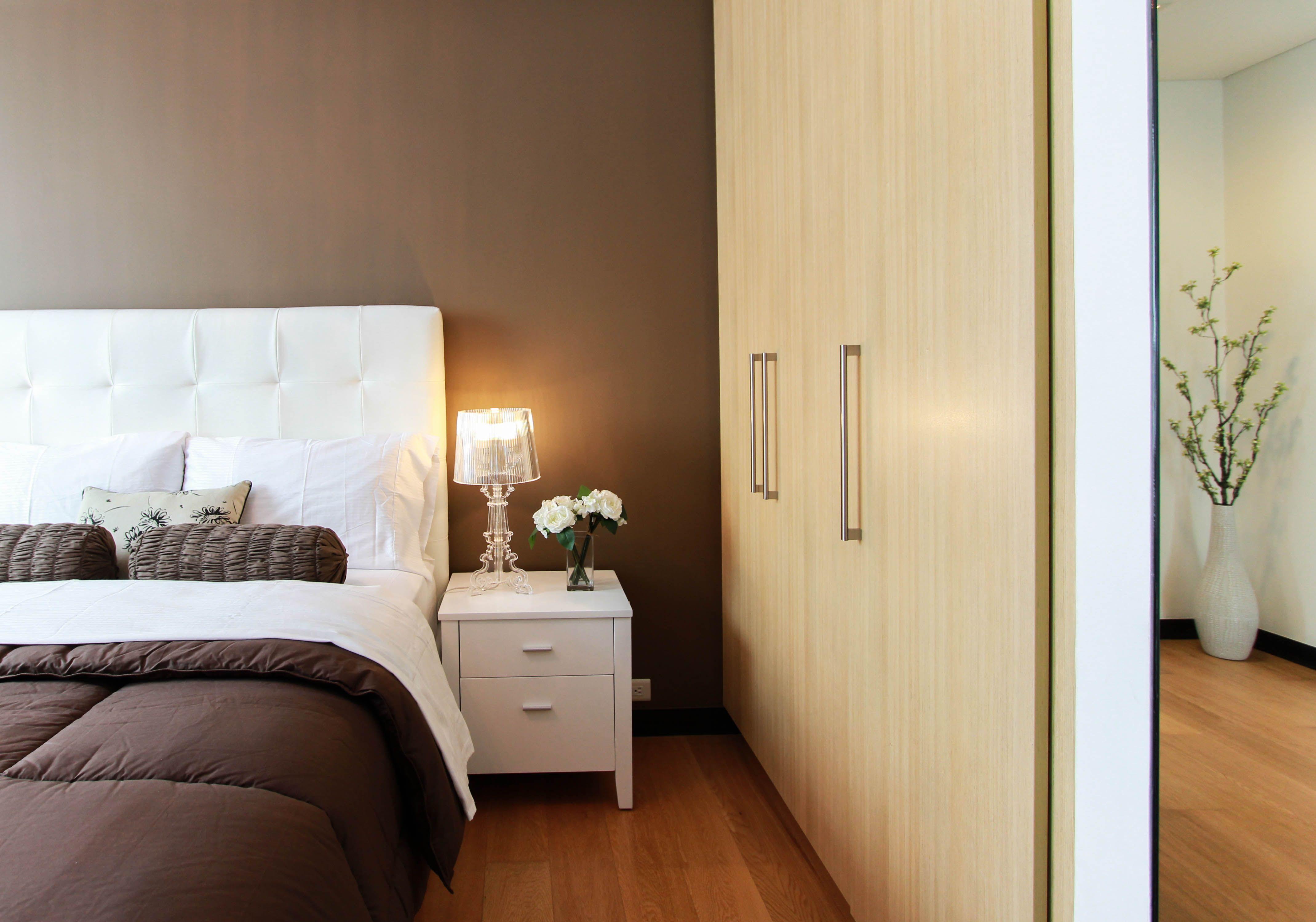
    For me, luxury and functionality are inseparable. It does not make sense to design something beautiful if it does not support the way a person actually lives. 

    Before I ever think about the aesthetics, I think about the problem: What needs to be solved? How does the client move through the space? What will make their life more comfortable, efficient and meaningful? 

    True luxury is not decoration; it is when a home works so beautifully that the client feels completely supported by it. Function comes first, then we design beautifully around it. 

    The best spaces are not simply visual. They function effortlessly, solve problems quietly and elevate everyday living. 

    I have always believed that nothing is impossible. In design, the real question is not whether something can be done; it is how creatively and intelligently we are willing to think in order to make it happen. That is why I see my role as much more than a designer. I have to think like an architect, a builder, a problem solver, a strategist and an advocate for the client. 

    A home should feel like the client’s own private destination: a place that restores them, welcomes their guests and reflects the life they want to live. Many luxury clients have multiple homes and spend significant time traveling, often searching for that sense of escape they experience in extraordinary destinations. 

    People plan for years to experience exceptional places. I believe they should be able to live inside that feeling every day. 

    The most memorable spaces combine comfort, beauty, service, emotion and functionality into something greater than the sum of their parts. That philosophy continues to shape every residence I design.

    At the core of my design philosophy is respect: respect for the architecture, the land, the composition, the client and the way a space must live over time. 

    Great design is not simply about what looks beautiful today. It is about how something is built, how it performs and how it makes people feel years from now. A truly great building should be beautiful even before anything is placed inside it. The interior should not compete with the architecture; it should enhance it and complete it. 

    Design must also be deeply human. You have to study the people who will live, work and gather within a space. 

    Sometimes the most important design decision is not the most glamorous one. It may be recognizing that a client needs better light to read comfortably at night and then finding an elegant way to integrate that solution into the overall design. That is where problem solving becomes beauty. 

    No two projects should ever be the same. Every home and environment has its own story, purpose and emotional language. I never want to repeat myself. Instead, I am constantly asking: How can this be better? Will this still feel relevant in 30 years? Does this truly serve the person who will live here? 

    Design is emotional, but it is also diagnostic. In many ways, a designer has to act like a doctor: listening carefully, understanding what is needed and prescribing the right solution for a client’s life. 

    That mindset has guided me throughout my career, including in the early years when architecture and construction were overwhelmingly male-dominated industries. I learned quickly that I needed to know more, work harder and be exceptionally prepared. 

    I wanted builders, architects, vendors and clients to understand that I was not there simply to make things pretty; I understood the details. I could speak their language, solve problems and contribute in a way that made the entire project better. 

    Confidence was essential. If you were not confident, it was easy to be overlooked. But I never viewed that as a disadvantage. I viewed it as an opportunity to become a resource, someone people could rely on and who earned respect through knowledge, preparation and results. 

    That experience shaped one of the most important lessons I share with emerging designers today: learn the business before you focus only on beauty. 

    To create truly exceptional work, you must understand budgets, contracts, timelines, construction, pricing, project management, vendor relationships and client communication. Without that foundation, even the most beautiful design can become chaotic.

    To create great designs, you need to speak the language of the client, the builder, the architect, the trades and the business itself. 

    My advice is simple: learn everything. Learn the back side of the business, how projects truly come together and how money moves through a project. Learn how to protect your client, your team and your vision. 

    Beauty matters. But knowledge is what allows beauty to become reality. 

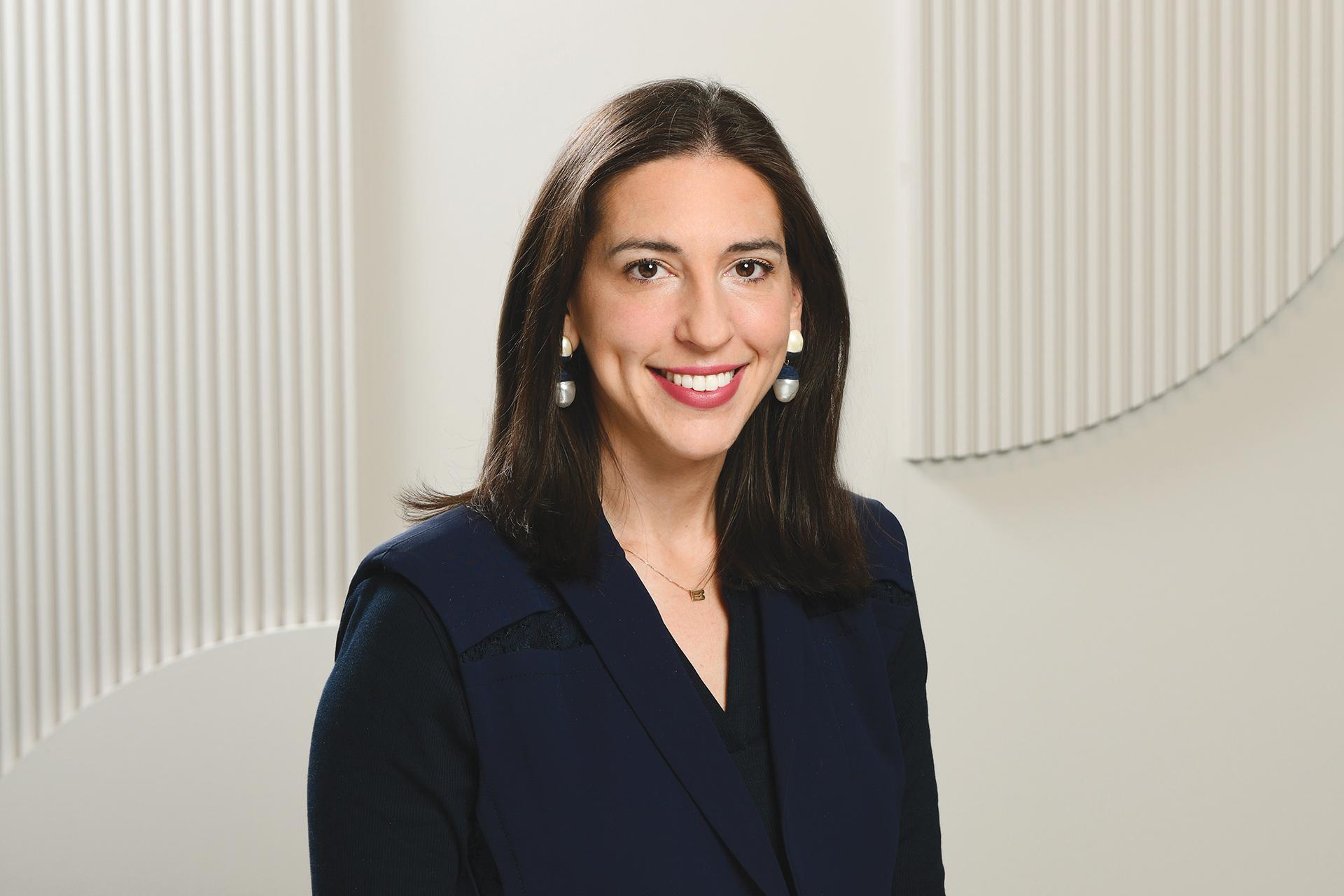
    By Jaque Bethke. She is the founder of JAQUE Design and can be reached at jaque@jaque.design. 

    This story is featured in our July issue of Builder and Developer. Read the digital print version here

  • Lennar approved on 2,360-home Florida development

    Lennar approved on 2,360-home Florida development

    Lennar, one of the nation’s largest homebuilders, just received the thumbs-up on its 2,360-home Everlands West development from the Palm Bay City Council. The project is noted as one of the most ambitious residential projects for the city in recent memory. Lennar plans to build an estimated 1,600 single-family homes and 760 multi-family homes.

    The project is especially interesting given the city’s new investment in the area, planning to devote around $19 million for water and sewer infrastructure investments. Full build-out for the Everlands West development is expected to reach completion in 2036. The project continues Lennar’s presence in the Palm Bay market, with five currently active communities.

    “Both the existing and proposed future land use designations allow for significantly higher residential densities than what’s being proposed with this community, said  But even with the flexibility, this project is being designed at just a low overall density of 1.96 dwelling units an acre. In addition, the plan preserves over 310 acres of wetlands in conservation areas, helping maintain that natural character of the site.”

    Read Full Article 

  • Builder confidence remains soft

    Builder confidence remains soft

    According to the National Association of Home Builders/Wells Fargo Housing Market Index (HMI), builder confidence in the market for newly built single-family homes fell two points to 34 in July, down from an upwardly revised reading of 36 in June. Economic uncertainty and persistent affordability challenges driven by rising material prices, high land costs and elevated mortgage rates continue to weigh on the market.

    However, the newly enacted 21st Century ROAD to Housing Act is a positive step that will help expand housing supply and lower overall housing costs. While more policy changes are needed at the state and local levels, the recently passed legislation is expected to boost builder confidence.

    The latest HMI survey also revealed that 37% of builders cut prices in July, up from 35% in June and 32% in May.

    Read Full Article